

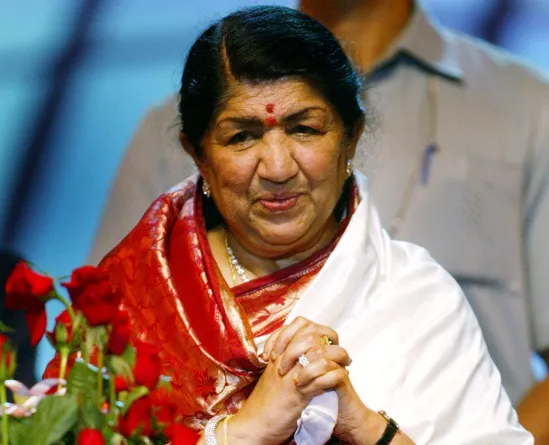
Legendary songs from icons like Kishore Kumar, Lata Mangeshkar (pictured) and Mohammed Rafi carried emotional depth, poetic lyrics, and timeless melodies, says the writer.
Image: File
FOR decades, Bollywood music has been the heartbeat of Indian cinema. Songs are not merely background tracks; they are emotions, memories, celebrations, and cultural moments that stay alive for generations. However, one trend that continues to divide audiences is the remaking of classic songs. While some remakes manage to introduce timeless melodies to a younger generation, many others face criticism for lacking the soul and originality of the originals.
The idea behind remaking songs is not entirely negative. Bollywood has always evolved with changing tastes, technology, and audiences. Producers and music labels often recreate older tracks to tap into nostalgia, while giving them a modern sound suitable for today’s listeners.
In some cases, remakes have worked brilliantly.
Songs like Laila Main Laila from Raees, or Aankh Marey from Simmba, became massive chartbusters because they retained the energy of the originals while adding fresh production and contemporary appeal. However, the problem begins when remakes rely too heavily on nostalgia instead of creativity.
Many fans believe Bollywood’s music industry has become overly dependent on recycling old hits rather than investing in original compositions. Legendary songs from icons like Kishore Kumar, Lata Mangeshkar, and Mohammed Rafi carried emotional depth, poetic lyrics, and timeless melodies. Recreating such classics is always a risky task because audiences naturally compare the remake to the original masterpiece.
One of the biggest criticisms of modern remakes is the excessive use of loud beats, electronic arrangements, and altered lyrics that often strip away the charm of the original. Songs that were once filled with simplicity and emotion are sometimes transformed into club anthems purely for commercial appeal. While these recreated versions may trend on social media or dominate streaming platforms for a short period, they rarely achieve the timeless legacy of the originals.
At the same time, it would be unfair to blame only the film-makers or composers. Audience preferences have also changed dramatically. Today’s music market is driven by reels, viral trends, and instant popularity. Producers often prefer familiar songs because they already carry brand value and recognition.
In an industry where competition is fierce, remakes are seen as a safer commercial option compared to experimenting with completely new music. Despite the criticism, Bollywood still produces outstanding original soundtracks. Films like Rockstar, Aashiqui 2 and Kabir Singh proved that original music can still connect deeply with audiences and become cultural phenomena. These albums succeeded because they focused on strong melodies, meaningful lyrics, and emotional storytelling rather than nostalgia-driven marketing.
Ultimately, remaking songs in Bollywood is not the issue itself – the execution is what matters. A good remake should respect the soul of the original while bringing something fresh and meaningful to the table. Bollywood’s musical legacy is one of the richest in the world, and while revisiting classics can be exciting, originality will always remain the true foundation of timeless music.