
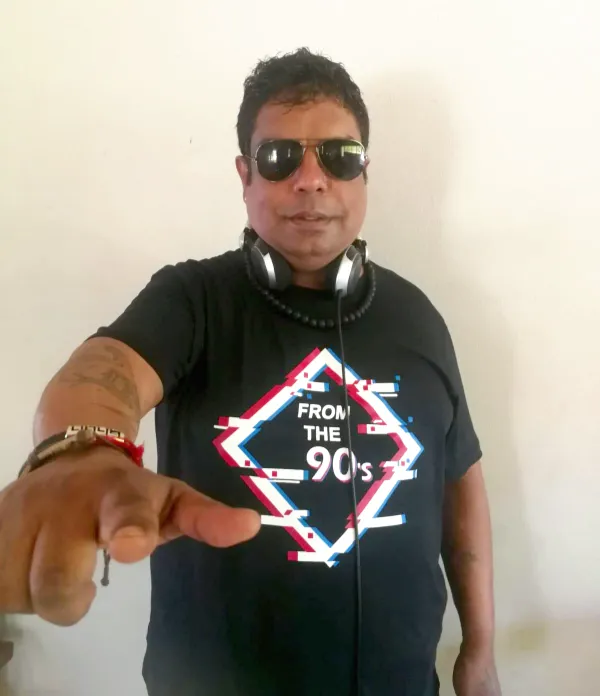
Dhenesh Maharaj a.k.a DJ Dizzy D Born and raised in Northern Natal, Dhenesh Maharaj’s musical path began as a percussionist with a popular local band, The Shi-Lites.
Image: Supplied
Long before packed nightclubs and international stages, DJ Dizzy D was a 10-year-old boy, tapping rhythms on a kitchen table. His late father noticed the beat before anyone else, and that moment would quietly set the tempo for a remarkable journey.
Born and raised in Northern Natal, Dhenesh Maharaj’s musical path began as a percussionist with a popular local band, The Shi-Lites. By the age of 13, fate intervened at a 21st birthday party when a DJ briefly stepped away and entrusted the young Dhenesh with the decks. Instinct took over. He blended vinyl seamlessly, earning a scolding, but also admiration. “He was impressed that I could mix with ease,” Dizzy recalls.
At 15, with the support of his brother-in-law, Sanjai Partab, Disco Venus was born, a mobile disco that sharpened his craft. By 19, with unwavering support from his father, Dhenesh co-owned his first nightclub, Club Ecstasy. “My dad was instrumental in moulding me as a DJ,” he says softly. “He passed away in 2020, and I often wish he were still here to see how far I’ve come.”
In 1999, with a young family and big dreams, he moved to Durban, inspired by nightclub adverts he’d seen for years in the Post newspaper. Despite experience and talent, the reception was cold. “Nobody believed in me,” he admits. It was Journey’s "Don’t Stop Believin’" that kept him focused,a song about small-town courage and chasing dreams.
His breakthrough came through the late DJ Vikash, who directed him to Alan Chetty. A 15-minute audition changed everything. From there, Dizzy D became a resident at major Durban clubs, including 100 on Point, Rivets Bhangra, and Krakatoa, helping define a golden era of bhangra nightlife in the city.
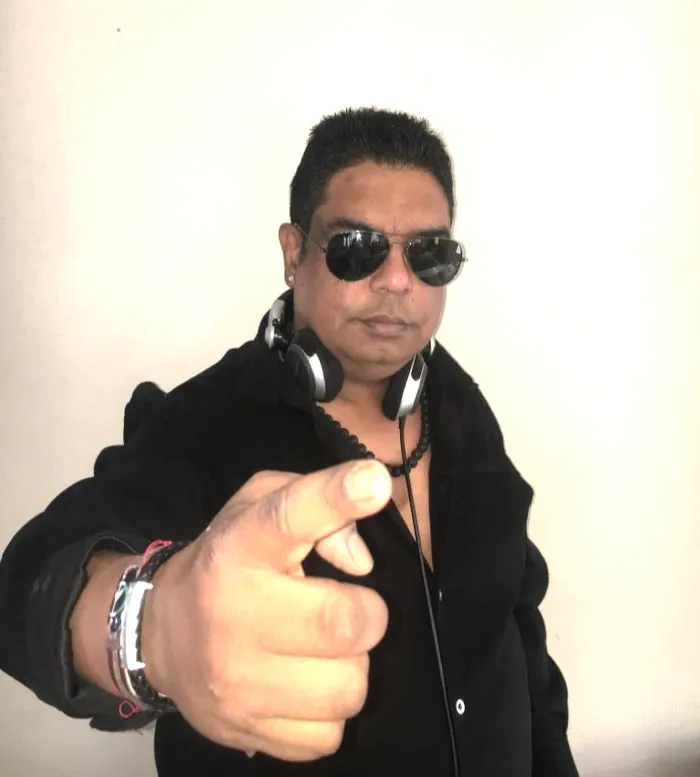
DJ Dizzy D His remix of Balle Balle became iconic — still played today. “My wife Kushee’s impromptu ‘Hey DJ, play Balle Balle one more time’ became a lingo at bhangra gigs,” he laughs.
Image: Supplied
While DJ’ing, Dizzy quietly built another legacy, remixing. Inspired by early Hindi–English mashups, he released his first cassette in 1996 and later his first CD in 2001. His signature Afro two-step snare sound stood out. “People loved it. It was different,” he says. His remixes found national reach through Lotus FM, thanks to DJs like Alan Chetty, Elvis Gangiah, Manic, Nichal Sarawan, and others.
His remix of Balle Balle became iconic, still played today. “My wife Kushee’s impromptu ‘Hey DJ, play Balle Balle one more time’ became a lingo at bhangra gigs,” he laughs. International fans followed, from New York to Kolkata, Mauritius to New Zealand.
In 2006, Dizzy D took South African bhangra across the border, performing at the Indian Consulate’s Cultural Festival in Angola, a defining career moment. Yet his toughest battles came later. After suffering strokes in 2013 and again in 2019, music became therapy. Unable to DJ, he continued remixing at home. “It helped my recovery tremendously.”
Today, he remains a featured DJ on the popular Bhangra Boat Cruise and mentors young DJs, urging them to “be creative and don’t imitate.” His proudest legacy, however, lives at home — through his sons Ash the DJ, DJ Yush, and DJ Nish. “Like my dad supported me, I support them,” he says.
And through it all, one message endures, "Don’t Stop Believin'".