

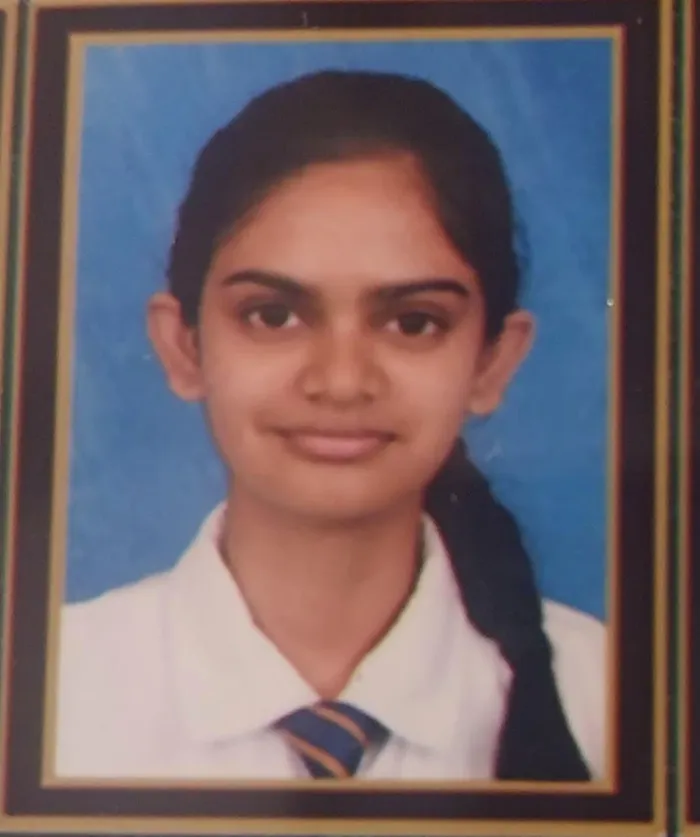
Shradha Mothilall believes that this Freedom Day, more needs to be done to free the minds of South African youth who are not able to cope with the mental pressure placed on them.
Image: SUPPLIED
Future Tense: The youth of today are the leaders of tomorrow
By Shradha Mothilall
Isolation, bloodshed, and the rise of digital comparison and insecurity shaped our experiences from the COVID‑19 pandemic to the July 2021 civil unrest. In my experience, due to these overlapping crises, I have witnessed the crippling effects on the youth of South Africa. As we celebrate 32 years of freedom, it begs the question: are the youth of South Africa truly free?
While Freedom Day marks our political liberation, I believe freedom should mean more than just the absence of oppression. It should also mean the ability to think clearly, to dream without fear, and to live without overwhelming mental pressure. Yet for many young people today, that kind of freedom feels out of reach. In my view, their struggles with mental health have become the very thing that limits their freedom.
When we were five, they asked us what we wanted to be when we grew up. Our answers were things like astronaut, president – or, in my case, princess. When we were twelve, they asked again. We answered singer, comedian, or, in my case, journalist. But now, as matric approaches, they want a serious answer.
I have always been told that my future matters, but in my experience, no one talks about what that pressure feels like – the way my hands will not stop shaking during an exam, or how my chest tightens like it is being wrapped by invisible chains. Sometimes I wonder if we are actually learning, or just surviving the expectations slowly suffocating us.
We talk about marks, results and achievements, but we rarely talk about the mental toll it takes on the students expected to keep up with it all. I have seen that it is often the students with the brightest smiles, the Einsteins of the group, and those who hide behind the façade of “I’m fine” or “I’m just tired” who linger in the loud silence, surrounded by people yet trapped in their own thoughts.
In my view, this is not merely an individual story; it is a widespread reality. In South Africa, many teenagers grapple with depression, and in some communities, over 50% of adolescents display signs of anxiety or depression. Globally, one in seven teenagers faces a diagnosable mental health disorder, yet far too many remain unseen and untreated. These statistics are not just figures – they embody real students in classrooms, pressured to excel while quietly struggling within.
In severe cases, untreated mental health struggles can lead to self‑harm or suicidal thoughts. In my experience, this reality often places other students in the role of “therapist”, as they try their best to support their peers – adding to their own emotional burden. These are not acts of attention‑seeking, but the result of prolonged silence, pressure and a lack of professional support. That is why I believe mental health awareness is not optional; it is urgent.
In response to this growing silence, I founded the Earlington Expressions – a platform created to ensure that student opinions are heard, achievements are celebrated and learners are recognised. My aim is to give people the opportunity to feel seen and valued. There is nothing quite like the look of pride on a reader’s face when they realise that they have been acknowledged. This initiative is my way of combating the effects of depression and anxiety among the youth of my community. However, awareness cannot begin and end with one platform – it requires all of us.
So, instead of brushing it off as “just a phase”, I believe we should start asking better questions, like “Are you actually okay?” – and be ready to listen to the real answer.
To build a better future for South Africa’s youth, we must invest in their mental wellbeing today. This means moving beyond awareness and taking real action. Government should create accessible, funded youth centres in every community, offering safe spaces for expression, workshops and support. Schools must strengthen counselling and therapy services, including individual and group support, so learners have trusted help available. When we support young minds, we build a stronger future.
As Nelson Mandela once said: “Our children are the rock on which our future will be built, our greatest asset as a nation.”