

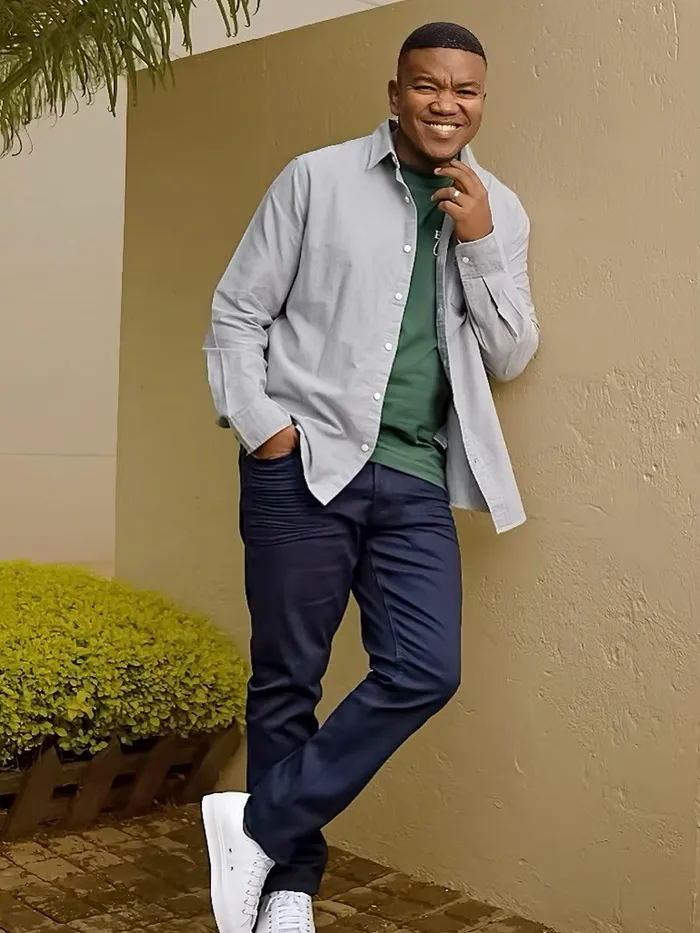
Loyiso Bala has advised artists to focus on awareness, professionalism and long-term career planning.
Image: Facebook/Loyiso
Loyiso Bala has cautioned musicians about the impact of excessive hospitality riders, warning that short-term demands can quietly damage careers over time.
In a detailed Facebook post, the singer shared concerns drawn from recent industry experiences, calling for balance, awareness and professionalism.
“This week alone, I heard of two artists who refused to walk onto stage because their hospitality riders were not complete,” Bala wrote.
He said that many riders now include “very specific alcohol brands and quantities such as Johnnie Walker Blue Label, Hennessy XO, Clase Azul and Ace of Spades, along with sealed bottle conditions and premium mixers.”
Bala stressed that he is not against reasonable hospitality. “There is nothing wrong with reasonable hospitality requests,” he said.
The issue, he added, is scale and context. “It becomes difficult to defend when, for instance, a DJ is booked, and the alcohol requested reads like a party shopping list for 20 people.”
He also raised concerns about time management and its effect on live events. “In some cases, artists also arrive late to a gig and still insist on partaking in their rider before going on stage,” Bala wrote.
“This places the entire event at risk of running overtime and creates unnecessary tension with an already waiting audience.”
While he acknowledged practical needs, Bala drew a clear line between essentials and excess. “Food, I understand, as some artists genuinely need to eat before going on stage,” he said. “But alcohol can wait.”
According to Bala, a recurring problem is that artists are often unaware of what has been agreed upon in their name.
“I’ve also noticed that many artists do not actually know what is in their contracts,” he wrote. “These demands are often drawn up by managers in the name of their desire to be treated like VVIPs.”
He noted that the situation can become even more frustrating when the requested items are not used.
“Sometimes you later realise the artist did not even drink the alcohol, either because they do not drink or because it was taken back to the hotel,” he said.
Bala emphasised that these demands have real financial consequences. “What often gets overlooked is that all of this comes at the promoter’s cost,” he wrote.
“In many cases, especially without sponsors, promoters carry a huge financial risk while the artist’s fee remains guaranteed regardless of attendance.”
He was clear that his message is not about undermining artists’ rights.
“I’m not advocating for artists to work under unfair conditions or ones that limit their ability to deliver,” Bala said. “I am simply asking for more awareness, balance and consideration for the realities on the other side.”
The long-term impact, he warned, can be severe.
“You may get what you want at the moment, but over time promoters quietly stop booking you,” he wrote. “Your reputation can begin to travel faster than your music, not for your talent, but for being difficult to work with.”
According to Bala, the consequences extend beyond the artist.
“The fallout is often felt by fans, crews and organisers who carried the risk long before you arrived,” he said. “When audiences begin to reject you, and your reputation precedes you, no career survives without trust and goodwill.”
He urged artists to rethink how they see their role.
“See yourself as a service provider, because that is what this work is,” Bala wrote. “You are being booked to deliver a service to an audience and to the people carrying the risk behind the scenes. The client is the one who pays you and not the other way round.”
Bala also highlighted the importance of sustainability.
“Very few artists fill venues on their own,” he said. “Sustainable careers are built on repeat business, strong relationships and professionalism over time, not just one well-paying gig.”
He closed with a personal appeal.
“Stay close to what your managers are committing you to, not only when money becomes the issue,” Bala wrote. “Protect your name at every stage, because it is your name, not theirs, that will be mentioned.”
“I say all of this with love, respect and a genuine desire to see artists thrive beyond the next gig,” he concluded.
“Longevity in this industry is built as much on how you show up as it is on how you perform. This industry is smaller than it looks. People remember everything. Choose wisely.”