

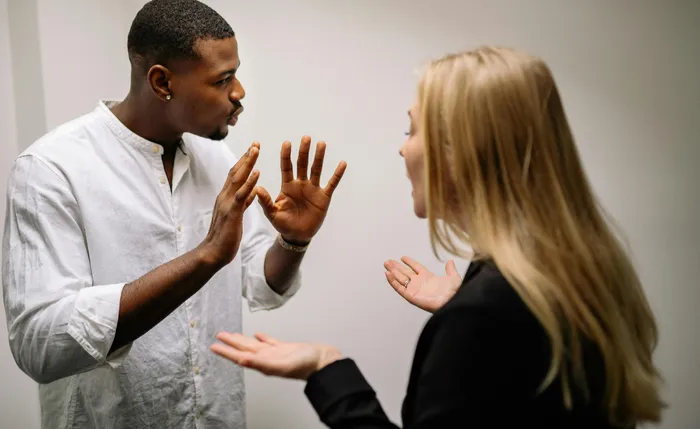
When women feel safe, the whole organisation flourishes, says the writer.
Image: Yan Krukau/Pexels.com
“Gender-based violence doesn’t stop at home - sometimes, it starts at work.”
EVERY year, the 16 Days of Activism Against Gender-Based Violence reminds us that abuse doesn’t always appear in extreme forms. Sometimes, it hides in plain sight - in boardrooms, office corridors, and casual comments that make women feel small, uneasy, or unsafe.
For many South African women, the workplace represents both progress and pressure. It’s where we build careers, break barriers, and prove our worth. Yet, for too many, it’s also a space where unwanted advances, subtle bullying, or misuse of authority leave lasting emotional scars. These experiences are often dismissed as “harmless” or “not serious enough to report,” but they are part of a deeper problem - a culture that excuses misconduct and silences women.
In many organisations, women hesitate to speak up because they fear being labelled “overreacting,” “too emotional,” or “difficult.” The result is that silence becomes a survival tool - but silence doesn’t protect anyone. It allows abuse and power play to thrive unchallenged. Empowerment begins when women know their rights and assert their boundaries without fear. South Africa’s Employment Equity Act and Code of Good Practice on the Prevention and Elimination of Harassment clearly state that every employee has the right to a workplace free from harassment, intimidation, and discrimination. These laws are not just legal frameworks - they are commitments to dignity that must be honoured daily.
It’s okay to say no. No to inappropriate “jokes,” to condescending behaviour, to subtle manipulation disguised as mentorship. No is not aggression - it’s self-respect. However, empowerment should not fall solely on women’s shoulders. Workplaces must create environments where respect is not optional and accountability is immediate. HR policies must be more than paper statements - they must be trusted systems that protect, not punish, those who speak up. True leadership is shown when senior figures use their influence to protect fairness, not their egos. “When women feel safe to speak up, workplaces don’t just become fairer - they become stronger.”
The 16 Days of Activism is more than a campaign - it’s a call to consciousness. It reminds us that protecting women, in every environment, must be an everyday practice. Real change happens when respect becomes habit, when accountability becomes culture, and when equality becomes the standard, not the exception.
When women feel safe, the whole organisation flourishes. Productivity rises, innovation grows, and collaboration deepens. Empowering women is not just a moral imperative - it’s a strategic advantage. As we mark this year’s 16 Days of Activism Against Gender-Based Violence, let’s remember: activism cannot live in calendar dates. It must live in how we treat one another - every day, in every space. Because no woman should ever have to shrink herself to fit into a space she’s helping to build.
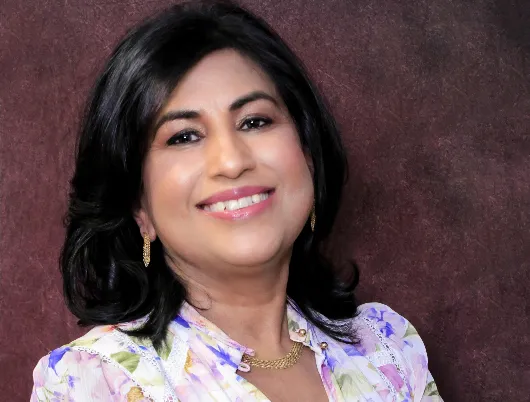
Gaishrie Sharon Singh
Image: File
Gaishrie Sharon Singh is a transformational catalyst, meta-physicist/writer, and published author. Visit www.gaishriesharon.com