

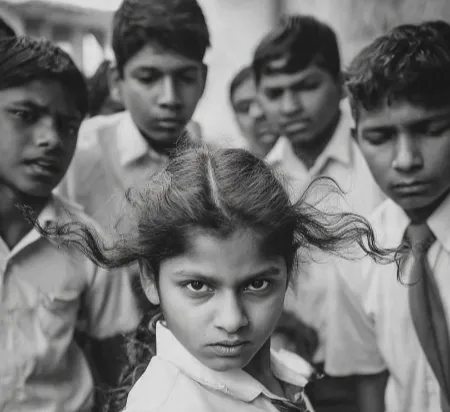
GBV is not only about hurting someone in a physical way. It is about gaining control over someone, says the writer.
Image: Meta AI
IT STARTS small, for example, a rumour by fellow pupils. The murmurs and words whispered in the corridor. The body comments coming from the person that is in the same classroom as you. A "joke" that puts you down or makes you uncomfortable.
Someone is sending you texts that are not appropriate for the classroom, or speaking to you differently because you are a female pupil. Are you recognising this? If you do then you are facing the issue of GBV, known as gender-based violence.
GBV is not only about hurting someone in a physical way. It is about gaining control over someone. It is something a person does when that person (be it male or female) uses words, threats, or actions directed at you, which make you feel insecure or less worthy as a person just by being a certain gender.
It can appear like this:
- Unwanted touching in hallways or grabbing
- "Jokes" about your clothes or body
- Spreading gossip, as well as posting on social media private images of the person
- Sexually harassing comments, either by someone in authority at school or fellow pupils.
- Being subjected to bullies when you refuse to be treated badly by others
On the other hand, it is often overlooked and ignored by girls because it is usually said you should not "be the cause of the drama". But this harsh silence keeps the aggressor protected. Such actions against you may be illegal in South African law, and you need to be defended.
Every pupil under our Constitutions has the right to equality, dignity, and safety. In both the Children’s Act and Sexual Offences Act, sexual abuse of girls has been criminalised by the law, which includes sexual harassment, threat, or touching without the girl’s consent.
And if one thing is a shocker to most, it is that the principal of a school is mandated by law to report to the police in case a school staff member or pupil assaults a minor and this is includes sexual conduct. Lying low is not an option.
Speak to someone you trust: No matter where it comes from, be it a teacher, school counsellor, parents, an aunt or older sibling, make sure you speak to that person. And while you are searching for the solution, remember you are not alone.
Write down the facts: Keep a record at the back of your homework book or on any spare writing material where you can note all the dates, times and places, names, and everything that was done and said in that incident. Keep screenshots and pictures just in case you need them the next time you make a complaint.
Ask others for support: If the school is not doing anything about it, then go to the police or call Childline on 116 (it’s a free call from all networks). Try to find support from the school. A guidance counsellor may direct you to a social worker or to the court, depending on your circumstances. You are not guilty for what happened and have the right to defend yourself.
As an attorney, I've been privileged to witness the process of young women realising their power and becoming their own advocates. Often the change comes not from Parliament or courtrooms but from the departments in the educational institutions and from the opportunity to act provided the pupils oppose things that are not acceptable.
When the one girl speaks up, she speaks for many other girls who have been silent because of the fear. Do not avoid reporting this because you have thoughts like “I don’t like confrontation” or “reporting is not just for me”. Keep in mind that if it feels a little off, it probably is. You are not exaggerating. That feeling is not in your imagination.

Kelly Jade Reddy
Image: File
Kelly Jade Reddy is a lawyer. She runs KJR Incorporated and offers advice and tips through her social media platforms such as Kelly.Attorney on TikTok.