


In cases of long-term abuse, dissociation can become habitual, shaping memory, identity, and the ability to speak about the trauma, says the writer.
Image: RDNE Stock project/Pexels.com
WHEN a survivor of childhood sexual abuse speaks out decades later, people often assume the silence was a choice, but in clinical practice, it becomes clear that it almost never is.
Silence is a survival strategy. Many rape survivors dissociate during and after the trauma; a psychological defence where the mind disconnects from an overwhelming reality. Survivors may feel detached from their bodies, struggle to recall parts of the assault, minimise it, or experience the events as unreal. This isn’t weakness; it’s the brain protecting a child from terror too big to process.
In cases of long-term abuse, dissociation can become habitual, shaping memory, identity, and the ability to speak about the trauma. Childhood sexual abuse is especially damaging because the perpetrator is often someone the child knows and trusts. That betrayal fractures a child’s sense of safety, and because a child cannot fully understand or name what is happening, the trauma often becomes stored without language. Many survivors only realise years later, often in adolescence, that what occurred was abuse.
Clinically, I have observed many cases where children only acknowledge events once they have developed the capacity to understand them. Before that, the brain stores the experience but cannot fully classify it.The psychological fallout is severe. Research consistently shows that survivors of childhood sexual abuse are at high risk of developing post-traumatic stress disorder (PTSD). Studies indicate that up to two-thirds of child rape survivors show full PTSD symptoms within weeks of disclosure, with many more developing partial symptoms.
PTSD may present as intrusive memories, nightmares, emotional numbing, hypervigilance, panic, difficulty trusting others, and a fractured sense of self. Dissociation during the abuse is one of the strongest predictors of PTSD later in life. Survivors are also more prone to anxiety, depression, substance use disorders, impulse-control problems, and risk-taking behaviours, including sexual promiscuity. Shame is another heavy burden. Survivors often describe feeling “dirty,” contaminated, or responsible for what was done to them. These feelings are learned, not inherent, and usually reinforced by how families and communities respond.
Secondary victimisation is common: being blamed, silenced, or disbelieved by those who should have offered protection. Families may pressure victims to stay quiet to “avoid shame,” protect reputations, or preserve relationships. This compounds the original trauma. For many survivors, the fear of not being believed is more terrifying than the abuse itself.This is why many only speak out in adulthood, particularly in their 30s, 40s, or 50s.
With more life experience, emotional maturity, spiritual grounding, and distance from the perpetrator, survivors finally gain the psychological space to confront what they once had to suppress. Some speak up when the perpetrator dies or becomes powerless; others find their voice after hearing another survivor speak or when their own children reach the age they once were. Healing is possible, but it is not a passive process. Recovery relies on safety, validation, and trauma-informed therapeutic work.
Survivors need environments where they are believed and supported. Therapy helps integrate dissociated memories, process shame, rebuild trust, and reconnect with a sense of self that predates the trauma. Many find strength through spirituality, advocacy, community involvement, or helping others with similar experiences. Turning pain into purpose does not erase the trauma, but it can profoundly transform a survivor’s relationship with it.
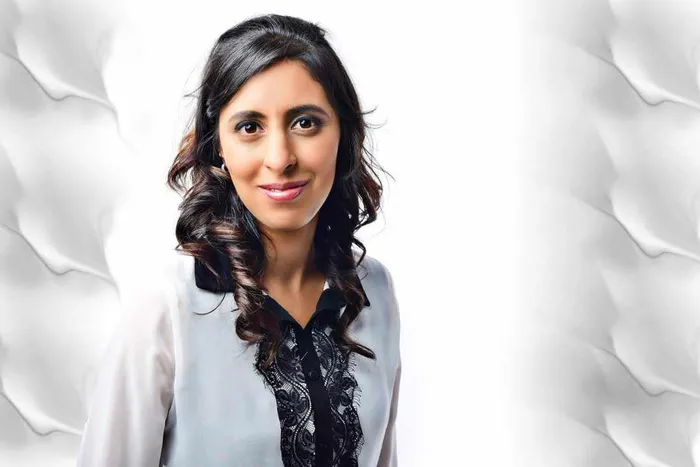
Dr Nazia Iram Osman
Image: File
Dr Nazia Iram Osman is a clinical psychologist registered with the Health Professions Council of South Africa. She has a PhD, and treats psychiatric and psychological disorders. Osman also helps clients with personal, professional or societal challenges.