

The Sri Siva Subramaniar Alayam hosted its 125th anniversary celebration on Saturday at Centenary Hall in Verulam. At the event were:
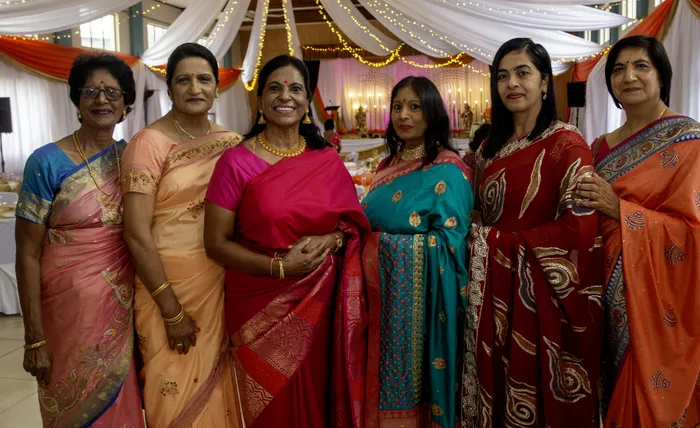
Gonam Moodley, from left, Prem Govender, Vanitha Gounden, Vanilla Reddy, Jessica Moodley and Vasantha Naidoo.
Image: Leon Lestrade/Independent Newspapers
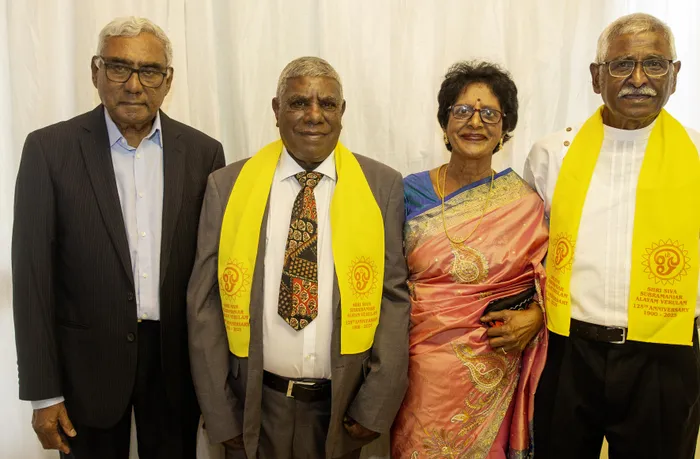
Percy Naidu, from left, Reggie Perisami, Gonam Moodley and Chandru Kistan.
Image: Leon Lestrade/Independent Newspapers
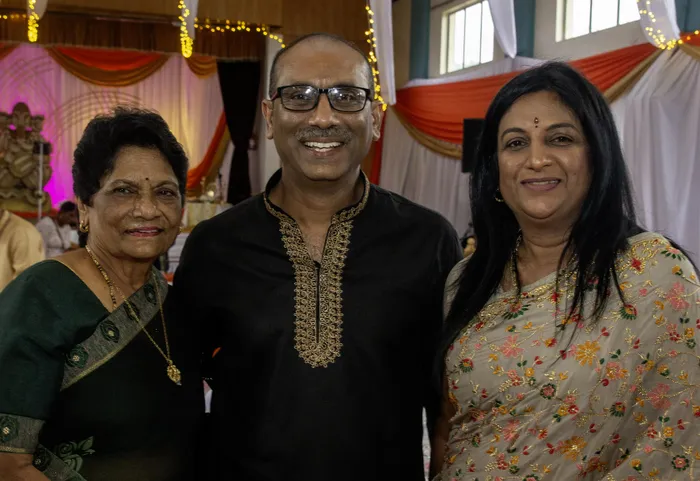
Moga Moodley, from left, Sagren Moodley and Priya Moodley.
Image: Leon Lestrade/Independent Newspapers
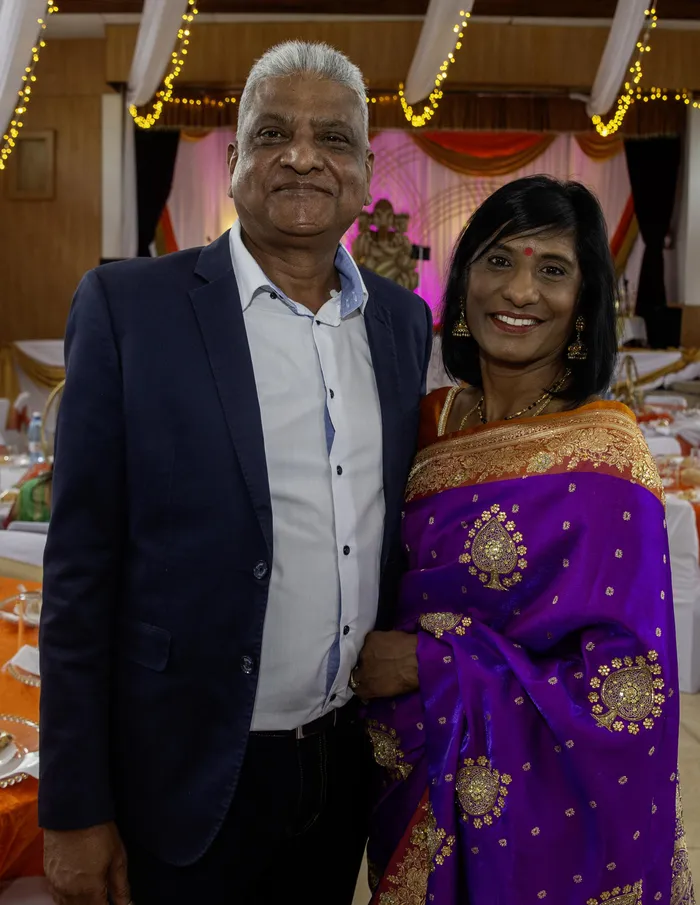
Sagie and Roslyn Appalsamy.
Image: Leon Lestrade/Independent Newspapers
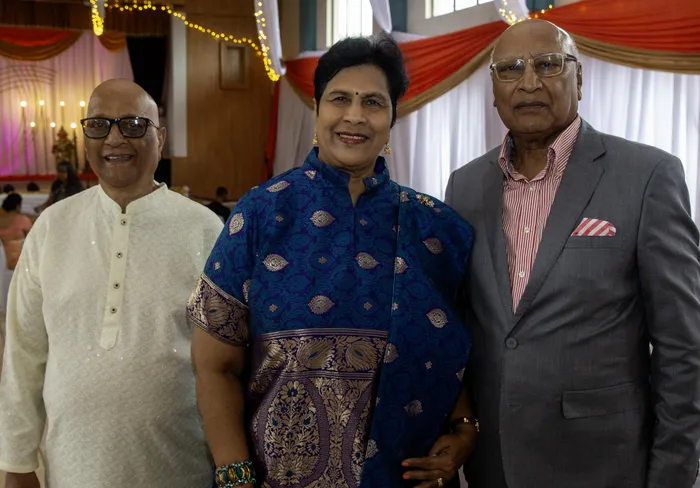
Freddy Moodley, from left, Logie Chetty and Dr Danny Chetty.
Image: Leon Lestrade/Independent Newspapers
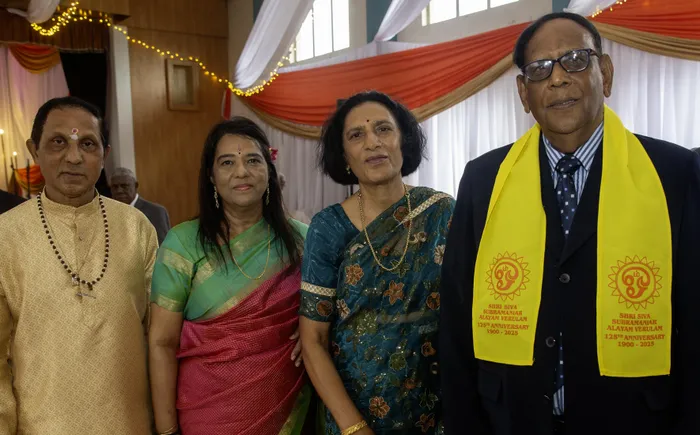
Guru Sammandan Sarugaser, from left, Mangalan Sarugaser, Vaseela Pillay and Pat Pillay.
Image: Leon Lestrade/Independent Newspapers
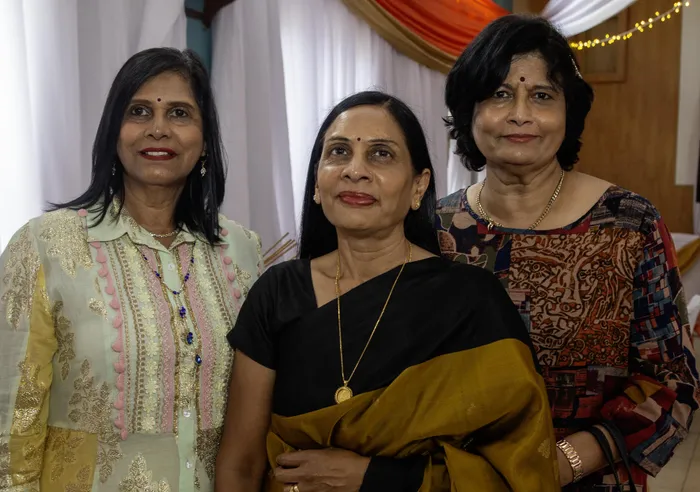
Sheila Naicker, from left, Lallie Moodley and Ranjeni Govender.
Image: Leon Lestrade/Independent Newspapers
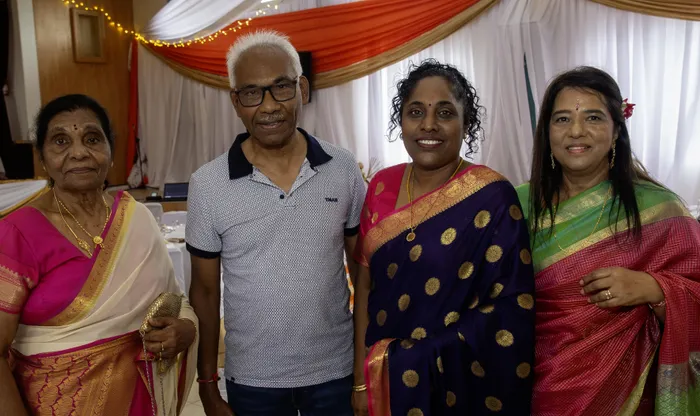
Subbulutchee Moodley, from left, Preggie Moonsamy, Joyce Moonsamy and Mangalam Sarugaser.
Image: Leon Lestrade/Independent Newspapers
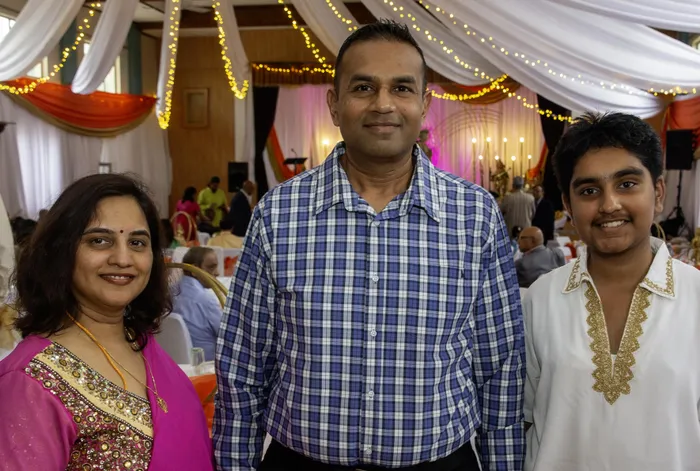
Indrani Lingappen Moodley, from left, Bavan Moodley and Rakshan Moodley.
Image: Leon Lestrade/Independent Newspapers
IF RITUALS at temples continue to be presented as mere “gobbledygook” or meaningless traditional practices, the younger generation may see them as irrelevant or even burdensome. This could lead to temples - even those that have stood for decades - being emptied of congregations in the not-too-distant future, said Sagren Moodley, the guest speaker at the 125th anniversary celebration of the Shri Siva Subramaniar Alayam in Verulam on the KwaZulu-Natal North Coast.
Moodley, a former resident of Verulam who is CEO Metpress, a Johannesburg-based fabricator of products for the electricity supply industry, was at pains to urge the temple management to ensure that youth were at the centre of all activities and had a seat on the highest decision-making platforms.
“This temple has existed for 125 years but there is no guarantee it will stand for another 125 years unless it evolves to appeal to the younger generation. Rituals in temples carry centuries of symbolism, philosophy, and cultural identity, but there must be clear explanations to allow rituals to evolve without losing their essence. Explaining rituals transforms them from rote actions into mindful practices. If youth feel rituals are empty, they disengage from Hinduism, drift to other religions or even turn into atheists. And once temples lose their relevance, they risk becoming museums rather than living centres of community,” Moodley said.
He prevailed on every temple to ensure it had a youth wing. Temple must also hold story-telling sessions where priests or elders can narrate the origins of rituals in engaging ways, linking them to modern values like mindfulness or sustainability. Online learning platforms must feature short videos, podcasts, or social media posts explaining rituals in relatable language.
The Shri Siva Subramaniar Alayam was established in 1900 when indentured workers and their descendants decided to build a temple. Narainsamy Naidoo, Ragavaloo Chetty and Arunajellam Moodley built a wood-and-iron temple at their own cost close to the Umdloti River. The 1917 floods caused extensive damage to the temple. In 1920, a termite infestation severely affected the wood structure. A brick structure was built and due to limited financial resources, this was only completed in 1927 when the first Kavady festival was held.
In 1928, classrooms were built for the teaching of the Tamil language and the youth were encouraged to attend. On October 5, 1953, the first Sunday prayer service was held and more than seven decades later is still going strong. To provide for community activities such as weddings, variety concerts and memorial services, and to secure income, a hall with a capacity of 700 was opened in 1962 next to the temple. The hall was dedicated to the arrival of the indentured labourers in 1860 and was named the Centenary Hall in their memory. The temple was badly affected by looting during the civil l unrest in July 2021. The buildings were also damaged during the April 2022 floods.
In addition, the Covid-19 pandemic resulted in the temporary closure of the temple and cancellation of all public religious events. This resulted in loss of income for the temple. More recently the roof and ceiling of the temple were found to be heavily infested with wood borer. The roof was replaced with a concrete slab and other repairs were done at a cost of R1.5 million. Fortunately, present former families from Verulam who have been associated with the temple, sister organisations and the business community assisted in raising the necessary funds.
Senior trustee of the temple Dr PN Naidu said the founding fathers, though not wealthy in material possessions, were rich in generosity and vision.
“With magnanimous hearts, they gave selflessly to create this temple as a sanctuary where faith, unity, and tradition could flourish. Their sacrifices remind us that true wealth lies not in gold, but in the legacy we leave behind. Together, let us pledge to preserve this temple, not as a relic of the past, but as a beacon for the future. In protecting it, we protect ourselves, our identity, and the enduring spirit of our community. May this temple stand forever as a testament to our unity and our devotion,” he implored.