

In a vibrant celebration of heritage and community, the Shree Veeraboga Emperumal Temple (SVET) in Tongaat launched its 108th anniversary commemorative brochure on Sunday amidst a captivating cultural programme held at the SVET Cultural Centre. Yogan Naidoo, the public relations officer of the Tongaat Hindu Unity Forum, addressed devotees on the occasion.
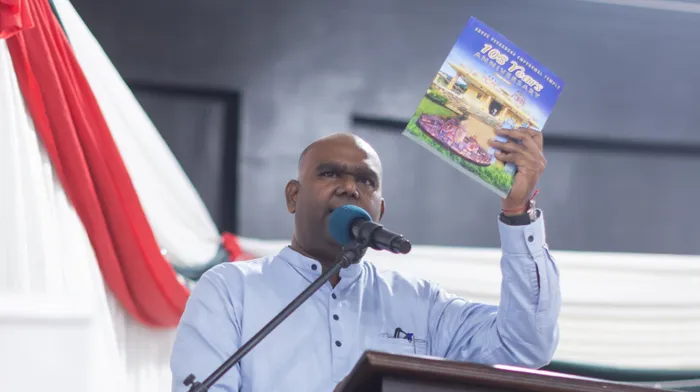
The public relations officer of the Tongaat Hindu Unity Forum Yogan Naidoo launched the108 years brochure.
Image: Rajesh Jantilal

Dancers Mathurika Govender and Aditi Naidoo from the Kalay Shakti Dance Institute.
Image: Rajesh Jantilal
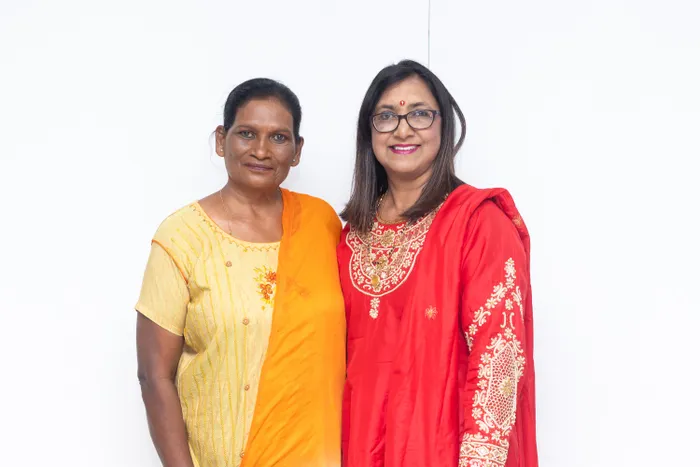
Dolly Govender and Shereen Ganas.
Image: Rajesh Jantilal
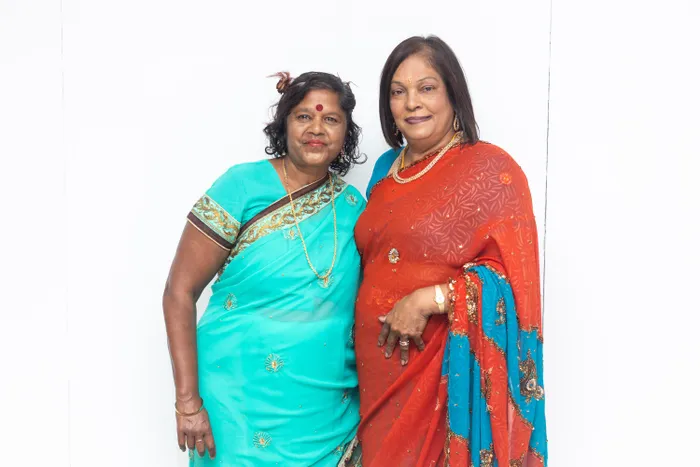
Saloshnee Govender and Janaki Naidoo.
Image: Rajesh Jantilal
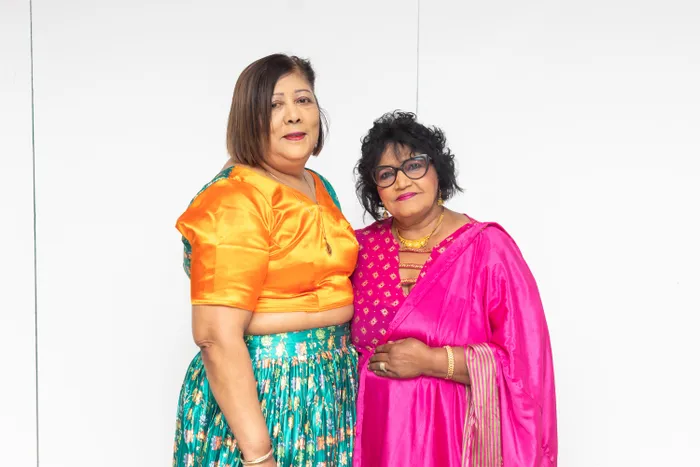
Dolly Padayachee and Hemsa Naidoo.
Image: Rajesh Jantilal
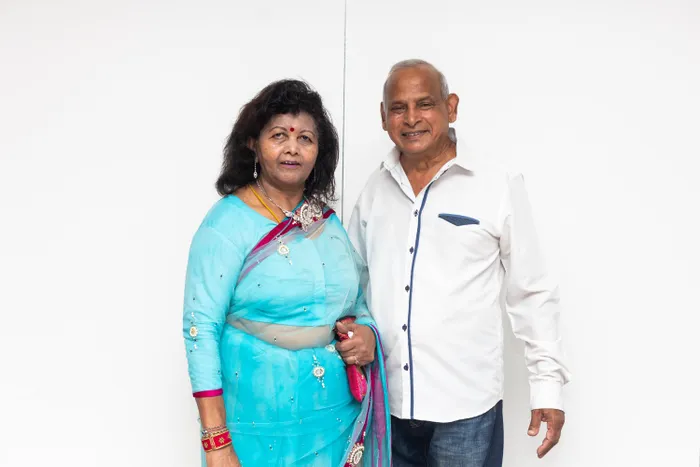
Indrani and James Naidoo.
Image: Rajesh Jantilal
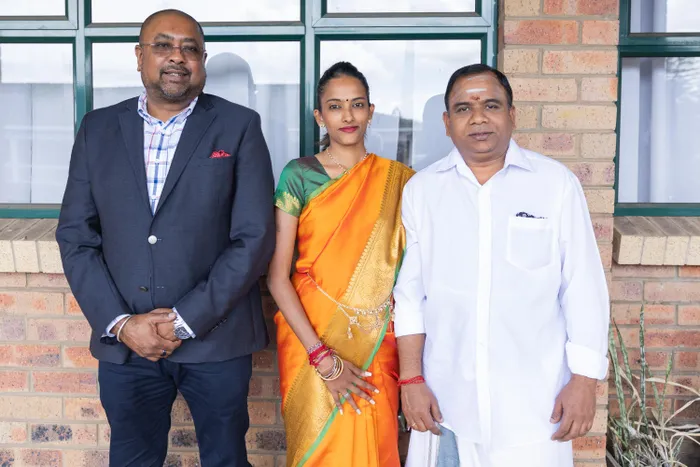
Ashwin Ramjeet, from left, Sadie Kandan and Guru Ananda.
Image: Rajesh Jantilal
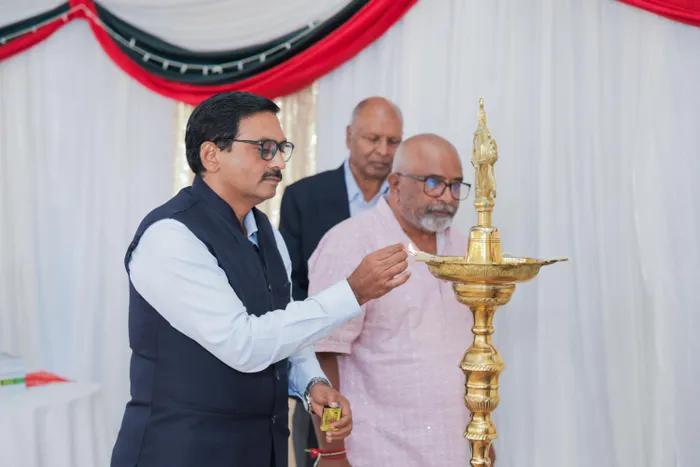
Manoj Ranjan Bharti (representing the Consulate General of India in Durban) and Chalmers Kandan, chairperson of Shree Veeraboga Emperumal Temple.
Image: Rajesh Jantilal
Yogan Naidoo, the public relations officer of the Tongaat Hindu Unity Forum, addressed devotees on the occasion of the 108th anniversary brochure launch of the Shree Veeraboga Emperumal Temple
AUM Namo Narayanaya.
My association with the Shree Veeraboga Emperumal Temple is not a chapter I began; it is a volume I inherited. It spans generations, a sacred thread linking me to my great-grandfather who served the Maidstone Shree Emperumal Temple, to my grandfather, my father, my uncles, and my mamas all of whom offered yeoman service to this organisation.
My own story here began when I was barely a toddler. It was my beloved Mama, Mr Arjoon Govender, served the Shree Veeraboga Emperumal Temple with such distinction for decades, ultimately leaving this mortal plane as its honorary life vice president, who placed me under the chariot during the Annual Chariot Festival.
The history we celebrate today, 108 years of it, is no ordinary chronicle. It is an alchemy, a sacred fusion of religion and service, forged in the crucible of indenture.
The Shree Veeraboga Vasantharaya Dharma Pareepaluna Mudam, established informally in 1914, took root here as a service centre for pilgrims, later blossoming into a temple. This legacy was later amalgamated with that of the Maidstone Shree Emperumal Temple, established in the 1920s in the erstwhile Maidstone Barracks, although operating informally as a wood and iron structure near where the Tongaat Secondary school is located today.
Today, the Shree Veeraboga Emperumal Temple stands as the proud custodian of that combined heritage. A heritage where devotion and duty are inseparable.
In understanding our own journey, we find our blueprint in the legendary vision of Swami Vivekananda. After his historic address at the World Parliament of Religions in Chicago, Swamiji did not merely establish a monastery. With breathtaking foresight, he created a twin-engine for societal and spiritual upliftment.
Swami Vivekananda established the Ramakrishna Math, dedicated to the religious life, nourishing souls through ritualistic worship, devotional services, and scriptural studies. Simultaneously, he registered the Ramakrishna Mission, a legally constituted body to allow for the service of the Lord in the form of suffering humanity - Daridra Narayana.
Swamiji firmly believed that religious philosophy could not be digested on an empty stomach. His commitment to service was absolute, even to the point of supreme sacrifice. I am reminded of an incident, vividly recorded in the annals of the Ramakrishna Mission. During a devastating famine, the Mission’s relief work was running out of resources. The monks, in desperation, reported this to Swami Vivekananda. Without a moment’s hesitation, Swamiji gave a stunning instruction to sell the Belur Math property, if necessary, so the relief work can continue.
Such was the primacy of service in his vision. By the Lord’s grace, funds arrived, and the sale was averted, but the lesson was etched in stone: true worship is feeding the hungry, healing the sick, and educating the illiterate and ignorant.
When we reflect on the great temples of ancient India, their duty revolved around four pillars: ritual practice, devotional service, scriptural education, and service to humanity.
I stand before you bursting with pride, because our forefathers built an institution that, against all odds, ticked every single one of these boxes.
The Shree Veeraboga Emperumal Temple provided the infrastructure for regular ritual worship and devotional gatherings. Over a century, it has hosted a galaxy of pandits, sadhus, and luminaries who dispensed scriptural knowledge. It hosted one of the biggest Sunday schools for youth development and, I stand to be corrected, the only Hindu lending library in the province, if not the country. And from a service perspective? Free sewing classes, the Narayan Seva grain bank feeding project, disaster relief, free mass weddings, specialist medical camps and this list is a testament to a living faith. This grand old institution has been a cradle of human excellence.
Of course, running such a magnificent machine comes with challenges. Egos, power struggles, what our scriptures might call the "crocodiles" that sometimes dance in the sanctums of human endeavour. In such times, we must return to the "why". Why were these institutions built? In the dark, turbulent times of colonialism and indenture, our forebears built them not as a social club, but as a lifeline. It gave them hope, faith, and courage. It was a tool for inner transformation and a bridge to expanded consciousness.
Today, our institutions must remember they do not exist merely to light the daily lamp, pay the utilities, and observe calendar events. They must become relevant instruments for human development, centres for human excellence. That is what this grand old heritage represents.
And so, we gather to launch this beautifully illustrated publication. It is more than a book; it is a chronicle of resilience, a mirror reflecting 108 years of a shared sacred purpose. It captures the soul of our community. It acknowledges and shows reverence to our pioneers who made grand sacrifices towards what we enjoy today and may it inspire generations to come to cherish this grand heritage, to protect it, and most importantly, to leave a greater legacy further.