

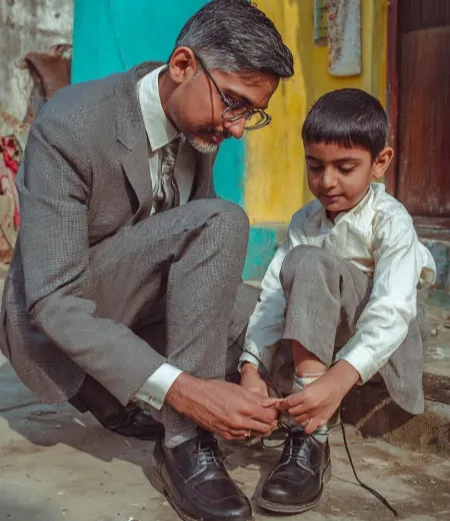
School readiness is not only practical; it involves helping children feel safe, grounded, and confident as they step into a new academic year, says the writer.
Image: Meta AI
PREPARING children for the new school year should be more than just organising uniforms, stationery, and neatly labelled lunchboxes. After a long holiday, children experience a significant emotional shift, and many parents underestimate the overwhelming nature of this transition for them.
School readiness is not only practical; it involves helping children feel safe, grounded, and confident as they step into a new academic year. Children often experience a mix of excitement and anxiety about returning to school. Some worry about separating from their parents again after weeks of closeness during the holidays. This can manifest as clinginess, stomach aches, irritability, or tears on the first day. It makes a huge difference when parents acknowledge these feelings rather than dismissing them.
Letting your child know that it is completely normal to feel nervous or unsure gives them emotional permission to feel without shame. My stance remains the same: validate the feelings, but don’t condone avoidant behaviour. Your child should know that all their fears and emotions are welcome, and that together you can discuss strategies to manage them. However, school is still non-negotiable.
This approach reflects authoritative parenting, which is the healthiest and most effective style we aim for. It combines warmth, understanding, and emotional support with consistent rules, boundaries, routines, and discipline. It communicates to children, “I understand you, and I’m here for you, but I will still guide you firmly.”
One example of authoritative parenting in this context is recognising how the shift in routine impacts children. Holidays bring late mornings, flexible bedtimes, screens, relaxation, and very little structure. Suddenly asking a child to wake up early, get dressed quickly, eat breakfast, and rush out the door can feel like emotional whiplash. To ease this transition, gently reintroduce school routines a week or two before the start of school. Earlier bedtimes, consistent wake-up times, and simple morning rituals help children regain a sense of control. Predictability is one of the strongest antidotes to anxiety.
Another area where children struggle is the change in friendships. After long breaks, friend groups often shift. Your child may find that their closest friend is now spending time with someone else, or that social dynamics have changed. What seems minor to adults can feel deeply hurtful and confusing to a child. Parents often underestimate the significant influence that peer relationships have on a child’s self-esteem. Talking ahead of time about making new friends, being flexible, and understanding that friendships naturally evolve can make these changes feel less personal and scary.
For older children, social media adds another complex layer. Throughout the holidays, many children and teens compare their experiences, bodies, or lifestyles to what they see online. This comparison often leads to insecurity before school even begins. Gentle conversations about digital boundaries, self-worth, and the difference between curated content and reality can help your child return to school with a healthier mindset.
Moving up a grade brings new teachers, new rules, and higher expectations. Instead of focusing on marks or performance, encourage curiosity, effort, and resilience. Children thrive in homes where mistakes are viewed as part of the learning process, not signs of failure.
Finally, involve your child in practical preparation. Let them help pack their school bag, choose lunch ideas, organise their stationery, or set up a study space. This sense of involvement increases confidence and reduces anxiety. Ultimately, preparing children for school means guiding them emotionally, supporting them socially, and building steady routines that help them feel secure. When children feel understood rather than rushed, they enter school with confidence and a sense of readiness to face the year ahead.

Nazia Iram Osman
Image: Supplied
Dr Nazia Iram Osman is a clinical psychologist registered with the Health Professions Council of South Africa. She has a PhD, and treats psychiatric and psychological disorders. Osman also helps clients with personal, professional or societal challenges.