


While many people discover their true vocation much later in life, a fortunate few sense it early often quietly, and against external pressure, says the writer.
Image: Meta AI
I RECENTLY participated in a discussion on Lotus FM’s Talk@7 about post-school study choices and career pathing. The conversation prompted me to reflect on what truly matters as the Class of 2025 makes decisions about Science, Technology, Engineering and Mathematics (STEM) careers decisions that will shape not only their livelihoods, but also their identities.
Our familiar rules of thumb for career choices are: aptitude, academic performance, employability, income potential, occupational satisfaction and social status. These remain important and should not be dismissed. Yet there is a subtler dimension that receives far less attention, and this is self-knowledge.
Parents, teachers and well-meaning relatives often believe they know you well. In many respects they do. However only you truly understand what drains you, what irritates you, what you can tolerate for long periods, and what excites you enough to stay awake thinking about it. You know what makes you feel at ease and what sparks your curiosity. This insight is your private superpower. Trust it.
While many people discover their true vocation much later in life, a fortunate few sense it early often quietly, and against external pressure. Choose a degree aligned with subjects you were genuinely good at and, ideally, enjoyed. Be brutally honest with yourself. If you struggled with a subject at school which has small classes, close supervision and structured support how will this change at university, where classes are large and independence is assumed?
University success requires self-discipline and intrinsic motivation far more than constant guidance. Within your degree, choose additional modules outside your home faculty whenever possible. A STEM student who studies subjects such as English, psychology, philosophy or accounting gains a broader worldview. These interdisciplinary choices do more than enrich your thinking, they often set you apart from the crowd and become compelling conversational points in interviews.
Career choice is difficult. Speak to people. Relentlessly seek advice. The correct number of people to consult is always one more than you have already spoken to. There is no such thing as too much advice only unexamined advice. After listening widely, decide for yourself. As the captain of your life, the responsibility ultimately rests with you, and people respect those who think deeply before deciding.
No qualification comes with a guaranteed job. Pragmatists may choose professional pathways such as teaching, nursing or paramedicine, which consistently show high graduate absorption. Others may pursue vocational skills plumbing, electrical work or engineering trades through our excellent TVET colleges. These institutions have capacity, modern equipment and committed lecturers. These skills are future-proof, can generate strong incomes, and even offer international mobility.
If funding is a challenge, check whether you qualify for NSFAS. Do visit university and Sector Education and Training Authority (Seta) websites and search for “bursaries”.
All 21 Setas, including LGSETA and INSETA, offer bursaries, often linked to post-qualification internships that significantly improve employability. Where possible, align your bursary search with your interests and preferred field of study, rather than forcing your career to fit available funding. With hundreds of thousands of pupils achieving Bachelor passes each year, why should a university or employer choose you? They look beyond marks at leadership, sport and community involvement. Marks alone do not define a valuable citizen; perceived societal impact does.
Universities will sometimes go to extraordinary lengths to recruit exceptional athletes. If sport is not your strength, meaningful community engagement builds networks, demonstrates character and is personally rewarding.
Finally, having served on numerous scholarship committees, I have spent countless hours debating the merits of candidates. These days, I often let others scrutinise CVs; I look at social media profiles. Many deserving candidates commit digital self-sabotage through careless posts, aggressive tone or poor judgement. Ask yourself: would my online presence endear me to a potential sponsor or employer? This is not about abandoning causes you care about whether environmental justice, human rights or social change but about how you conduct yourself online.
Netiquette matters. Use social media to amplify your cause, not undermine your future. If necessary, start cleaning your digital footprint today. Start thinking like a professional. Create a LinkedIn profile. Follow themes, topics and people that genuinely interest you. Follow me on LinkedIn as I post STEM bursaries as well as job offers. This journey is new to you, but it is one every adult you know has travelled with varying degrees of success.
Be purposeful. Be intentional. And above all, be honest with yourself. I wish you well as you take the first steps in your career journey.
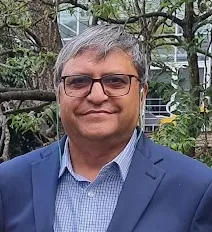
Professor Colin Thakur
Image: Supplied
Professor Colin Thakur is Distinguished Professor in 4IR and Digitalisation at the University of South Africa. He writes in his personal capacity.
** The views expressed do not necessarily reflect the views of IOL or Independent Media.