

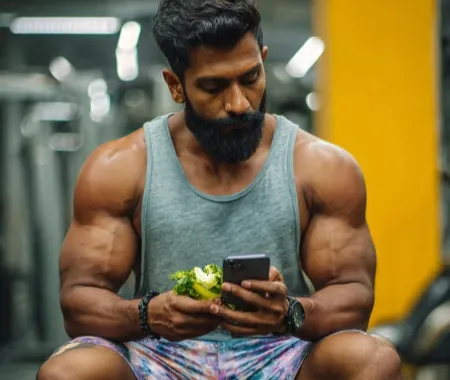
Eat easily accessible vegetables.
Image: Meta AI
AFTER weeks of festive meals, late nights, and sweet treats, many of us feel heavy, tired, bloated, or even a bit low on energy. This is completely normal – your body is simply trying to recover. One of the best ways to support your body and mind as you return to your regular routine is to shift to an anti-inflammatory diet.
Inflammation is the body’s natural response to stress, poor sleep, overeating, or too much sugar and processed foods. Over time, chronic inflammation can lead to low energy, joint pain, weight gain, poor digestion, or even lifestyle diseases like diabetes or heart conditions.
An anti-inflammatory diet is rich in whole, fresh foods – mainly vegetables, fruit, healthy fats, whole grains, and good quality proteins. It avoids processed foods, fried items, sugary snacks, and too much alcohol. This type of diet helps reduce bloating, improves digestion, boosts energy, and supports brain function.
- Fill half your plate with vegetables: eat approximately 1/3 cup of your vegetables first. This may be in the form of cooked veg or salads (whichever you may prefer). Focus on a variety of colourful vegetables like spinach, carrots, beets, bell peppers, broccoli, and cauliflower. These are rich in antioxidants and fibre that reduce inflammation. You may also go the traditional route and include brinjal, jackfruit, bindi, green beans or spinach and mixed herbs(bhaji).
- Choose whole grains over refined ones: swap white rice or white bread with brown rice, oats, millets (like jowar, bajra), or quinoa. My personal favourite is a standard, vegetable breyani rice. An excellent inclusion of fibre, it includes plant based proteins (beans/lentils) and mixed vegetables (easily accessible and can be in the form of frozen veg). These keep your blood sugar stable and prevent energy crashes as well as keeps your sugar levels stable.
- Include healthy fats: good fats fight inflammation. Use olive oil, avocado or canola oil in cooking. You may also alternate between all. Add nuts (like almonds, walnuts), seeds (like chia, flax, sunflower), and even a small amount of ghee if tolerated well.
- Eat quality protein with every meal: include protein-rich foods such as, grilled fish or chicken; boiled eggs or omelettes with veggies; tofu or paneer; moong dhal, masoor dhal, or chana dhal; hummus with cucumber or carrot sticks; or full cream Greek yoghurt. Fish is known for its anti-inflammatory effects and is recommended that its consumed at least 3 times a week. Fatty fish such as salmon, herring, mackeral, tuna and sardines are all good sources of Omega 3s and 6s.
- Add natural anti-inflammatory spices: high anti-inflammatory, turmeric, ginger, garlic, cinnamon, cumin, and black pepper are extremely flavourful and not necessary to leave out. There is no evidence to indicate that these spices that are used in small doses during cooking, can cause much harm to the body. So please, do enjoy your delicious Durban curries. Use these spices daily in cooking or in herbal teas.
- Stay hydrated and sleep well: I find that this point is often ignored; water and good sleep are essential for recovery. Drink up to 8 to 10 glasses of water daily and try to get 7 to 8 hours of good quality sleep. I recommend keeping a one litre flask on you during the day if possible. Eventually you will develop the good habit of drinking of water.
Morning: warm lemon water and soaked almonds.
Breakfast: vegetable dhal chilla and mint chutney.
Mid-morning: seasonal fruit (like pomegranate or guava).
Lunch: brown rice, rajma, sautéed bhindi and salad.
Evening: herbal tea and a handful of roasted chana or seeds.
Dinner: grilled chicken or tofu, stir-fried vegetables and soup.
The post-holiday blues don’t have to drag you down. Let your food be your support system. With an anti-inflammatory diet, you will feel lighter, calmer, and more focused as you get back to your routine. It's not about a strict diet – it's about making small, smart changes to feel your best.

Laika Maharaj
Image: File
Laika Maharaj is a registered clinical dietitian and lactation consultant. For more easy diet tips to reset and recharge after the festive fun, follow her on Instagram: @laikathedietitian or email: [email protected]