

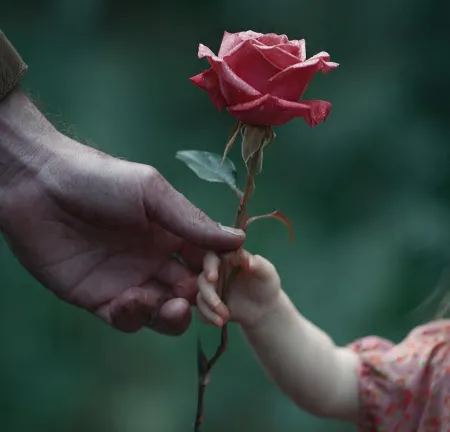
Kindness doesn’t have to be dramatic or visible, says the writer.
Image: Meta AI
I AM NOT an expert on kindness. I don’t write from a place of having it all figured out. I am learning as I go, often getting it wrong, correcting myself, and trying again the next day. Like many of us, I am very much a work in progress. But one thing I am becoming more certain of is this: small acts of goodness still matter. Maybe now more than ever.
In South Africa, life can feel heavy. People are tired - emotionally, financially, mentally. We carry worries about work, safety, the cost of living, our children’s futures, and simply keeping our heads above water. In the middle of all that, kindness can feel like a luxury. Something we’ll get to when life is easier. Yet it’s often in these exact moments that small acts of goodness quietly hold things together.
Kindness doesn’t have to be dramatic or visible. It’s checking in on someone without needing to fix their problem. It’s being patient with the cashier or waiter. It’s speaking gently when irritation would be easier. It’s offering help without announcing it. These things rarely make headlines, but they shape the tone of our daily lives.
I’ve also learnt that true kindness is never done for a thank you. The moment it needs applause or recognition, it becomes something else. Real kindness is quiet. It doesn’t keep score. It doesn’t wait to be noticed. Often, no one even knows it happened - and that’s okay. Never a thank you needed. This is something I learnt early, watching my parents. They never made speeches about being good people. They didn’t announce their generosity or compare themselves to others. They simply did what needed to be done.
A meal and groceries delivered. A lift given. Help offered without conditions and expectations. Growing up, my siblings and I thought this was normal. Only later did we realise how intentional it actually was. Those small, consistent actions set an example far more powerful than words ever could. And that example stays with us. That’s why kindness matters so much for the next generation.
Our children are always watching - not what we post, but how we behave when no one is looking. They learn kindness not from lectures, but from what we model in traffic, at home, at family gatherings, and in moments when we are incredibly frustrated and in disagreement. Do we handle it with patience or anger? Kindness also isn’t about going around telling people how kind and good you are - or pointing out how wrong or evil others may be.
It’s not loud. It doesn’t shame. It doesn’t need an audience. In fact, kindness often shows itself most clearly when we choose not to judge, not to escalate, and not to add to the noise. I am learning that kindness doesn’t mean being weak or passive. It means being intentional. It means choosing humanity even when frustration feels justified. It means remembering that everyone is carrying something we may know nothing about.
I don’t get this right every day. Some days I fall short. Some days I react instead of respond. But I try again. That’s the work-in-progress - daily, imperfect, and ongoing. If there is one thing I hope we pass on, especially to our children, it’s this: goodness doesn’t need to be grand to be meaningful. Small acts, done consistently and sincerely, shape families, communities, and importantly the future generation. And perhaps the simplest reminder of all: Help ever. Hurt never.

Rubene Ramdas
Image: File
Rubene Ramdas, with 25 years of professional experience, is passionate about women’s leadership, mentorship, and the steady, compassionate guidance young professionals need as they find their place in an ever-evolving world of work. Email [email protected]