


Research has shown that people with chronic sleep deprivation are more likely to develop high blood pressure, diabetes and cardiovascular disease.
Image: Meta AI
IF YOU ask people about their career goals for 2026, most won’t immediately say “a promotion,” or “a new job”. They talk about trying to achieve a work-life balance, getting their job done without burnout, and feeling a sense of stability. Many have realised that success doesn’t mean much if it costs them their health and their family.
So if I had to give you a simple framework for thriving in the workplace in 2026, it’s these: soft skills, boundaries, and upskilling.
We can talk about strategy, systems, KPIs, and quarterly targets all day, but the reality is that work moves with people. This means different personalities, work styles, schedules, misunderstandings and missed deadlines.
Soft skills are those personal attributes and interpersonal abilities that shape how we work and how we interact with others. Skills like communication, emotional intelligence, conflict handling, adaptability, and time management are essential in today’s workplace. They are no longer “nice-to-haves;” they are the glue that keeps teams together and functioning well.
These skills show organisational leaders that we have the ability to manage ourselves before managing anyone else.
People who can communicate in a structured, calm, and clear way - without ambiguity - are incredibly valuable in the workplace. They reduce confusion, prevent work being redone, and understand the value of time.
Most workplace conflict escalates because people either avoid hard conversations or handle them badly. Conflict resolution is a wonderful soft skill to develop that helps people handle issues early, respectfully, and directly, both in the workplace and in the home.
For many of us the day starts early and ends with late nights catching up on work. Microsoft’s research on the “infinite workday” found that employees are interrupted every two minutes during core working hours by meetings, emails, or chat notifications. They also reported a major rise in ad-hoc meetings that disrupt planned work. This is among the reasons so many of us take work home.
Boundaries are important if we want to want to achieve a healthy work-life balance and keep our families intact. One way this can be done is to let people know that emails will only be checked at specific times of the day. If it’s urgent, they are welcome to call. If we respond at 11pm, we teach people that we are always available.
For projects that need deep focus, block out one uninterrupted 60 to 90 minute slot daily. Be disciplined enough to avoid disruptions like WhatsApp messages during this time.
This is tougher to do for those who work in on-call environments, like healthcare, media, IT and other executive roles. I spent years in a newsroom where if your phone rang at 2am, you answered. That kind of pace means your mind never fully switches off.
Research has shown that people with chronic sleep deprivation are more likely to develop high blood pressure, diabetes and cardiovascular disease. That should be enough to force us to have those important conversations with our managers. There must be a sustainable system designed that includes rotations, clear escalation rules, and sufficient time for rest and recovery.
In 2026 it’s not enough to “hope you keep up.” This is the year to learn intentionally, especially as AI reshapes how work gets done. LinkedIn’s research states that by 2030, 70% of the skills used in most jobs are expected to change, with AI acting as a catalyst. Learning is now the insurance for your career. We must become technology literate and learn how to use AI responsibly for drafting documents, research, meeting summaries, planning, and analysis.
If you’re overwhelmed about what to learn, simplify your decision-making with three questions: what is my job requiring now? what will it require next? and what skill will make me valuable in any company? Aim for one skill per quarter.
Time management sounds basic until you realise your life is being gobbled up by interruptions and distractions.
I always remember that line from the soapie The Days of our Lives: “Like sands through the hourglass so are the days of our lives…”
The older I get, the more I realise that every second counts. Time is consistently slipping away and once it’s gone, it’s gone.
If the real work gets done at 10pm, after the kids are asleep and when you’re exhausted, then burnout will slowly become your lifestyle. Take the wheel and drive your day, instead of letting the day drive you. Every evening, write down three outcomes you want to achieve the next day. Block out the time and protect it. It could be finishing a report, preparing for a presentation, starting that short course, or even taking half an hour to reset without scrolling on social media.
2026 will reward the people who can do three things well: work well with people, have healthy boundaries in place, and stay relevant. If you commit to those three areas, you won’t just “cope” in 2026 - you will stand out as a leader.
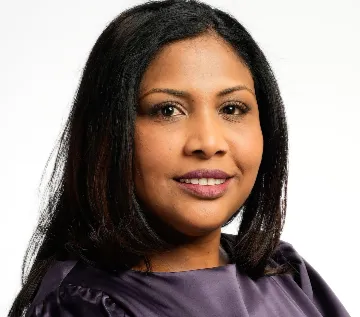
Melini Moses
Image: File
Melini Moses is a communications specialist and director of Express Yourself.