

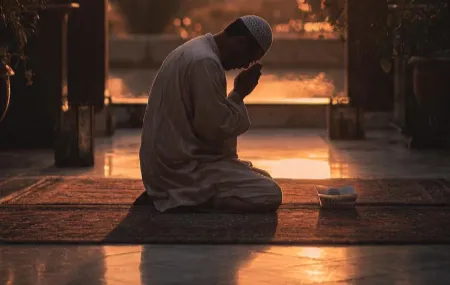
Fasting during Ramadaan is one of the five pillars of Islam.
Image: Meta AI
RAMADAAN is the ninth month of the Islamic calendar and is regarded as one of the most blessed periods for Muslims.
Fasting during Ramadaan is one of the five pillars of Islam. Because the Islamic calendar is lunar, consisting of 12 lunar months within a solar year, Ramadaan shifts earlier by about 10 days each year on the Gregorian calendar.
It was during this sacred month that the Holy Qur’an was revealed as guidance for humanity, offering moral direction and a path to spiritual success. The recitation of the Qur’an throughout the month strengthens spiritual connection and reflection. Many Muslims aim to complete reading the entire Qur’an during Ramadaan, renewing their understanding of its guidance and teachings.
Ramadaan is far more than abstaining from eating. It is a comprehensive act of worship that nurtures self-discipline, gratitude, humility and closeness to the Almighty. Fasting is deeply personal, strengthening the relationship between the believer and the Creator, while shaping character and moral and social awareness.
From dawn to sunset, Muslims refrain not only from food, drink and marital intimacy, but also from gossip, slander, vulgarity, dishonesty and anger. The Prophet Muhammad (peace be upon him) said: “Fasting is a shield; so, when one of you is fasting, he should neither indulge in obscene language nor raise his voice in anger. If someone insults him, let him say, ‘I am fasting’ (Sahih Muslim).”
This teaching highlights that fasting is not merely physical restraint but moral, ethical and spiritual discipline. It trains the heart and mind, cultivating patience, self-control and sincerity.
One of the most powerful aspects of Ramadaan is the development of empathy and gratitude. Experiencing hunger reminds believers of the blessings they often take for granted. It encourages appreciation for daily provisions such as food, water and shelter. This awareness deepens compassion, and inspires acts of kindness and generosity towards others.
Ramadaan softens the heart, and encourages believers to be more mindful of the needs of family, workers, neighbours, the less privileged and the broader community. Ramadaan turns personal discomfort into moral responsibility, urging believers to act as defenders and upholders of justice, and promote human dignity. It poignantly reminds one that access to food, water, shelter, safety and fair treatment is not a privilege, it is a God-given right.
Ramadaan is also a communal practice in action. Shared meals at sunset, congregational prayers, and compulsory charitable giving known as Zakat and voluntary contributions reinforce solidarity and collective social responsibility. These practices reflect the faithful’s commitment to protect the vulnerable, the oppressed, the occupied, and bridge inequality, and uphold fairness. Faith and action are inseparable: Ramadaan reminds believers that faith is expressed through worship and good character, ethical social responsibility and compassionate engagement.
Traditionally, Ramadaan is described as being divided into three 10-day phases: the first emphasising the Almighty’s mercy, the second His forgiveness, and the final third seeking salvation. The last 10 nights are especially sacred, as they include Laylatul Qadr (the Night of Power), which is described as “better than a thousand months”. During these nights, Muslims increase their prayers, supplication and reflection, seeking closeness to the Almighty and spiritual renewal.
The daily rhythm of fasting and prayer strengthens moral discipline and resilience. Waking before dawn for the pre-fast meal, maintaining focus throughout the day, and engaging in nightly worship build consistency and perseverance. These habits encourage believers to carry the lessons of Ramadaan into the rest of the year, maintaining honesty, patience and mindfulness long after the month ends.
At its core, Ramadaan is a call to conscience and spiritual growth. It teaches that true worship combines inner reflection with outward goodness. Fasting becomes a shield for the soul, protecting it from harmful behaviour and nurturing moral strength. It is a time to reassess priorities, seek forgiveness, mend relationships and renew intentions.Ramadaan teaches that faith must be lived through action, uplifting the vulnerable, strengthening community, and standing for justice.Through fasting, prayer and generosity, believers are reminded to uphold compassion, dignity and social justice beyond the blessed month.
Ramadaan concludes with Eid ul-Fitr, marking the end of fasting. The day begins with congregational prayer, followed by joyful gatherings, shared meals, and charity so all can celebrate Eid.

Mohamed Saeed
Image: Supplied
Mohamed Saeed is a religious teacher and school principal.