

Parenting is not about perfection; it is about capability, says the writer.
Image: Google Gemini
PARENTING isn’t about raising children who are impressive in front of guests – it’s about raising individuals who can function when no one is watching. This ultimately comes down to the lessons we teach them early on.
Parenting is not about perfection; it is about capability. The goal is to raise children who can navigate life without constant guidance – who understand not only what is expected of them, but why it matters. While values like respect and kindness are often emphasised, it is the way they are taught – consistently and practically – that ensures they endure.
1. Respect isn’t optional – it’s visible: do not simply instruct children to be respectful; demonstrate it. The way you speak to a waiter, a driver, or the person who helps in your home, become their standard. Respect is not reserved for certain people – it is revealed in how you treat everyone.
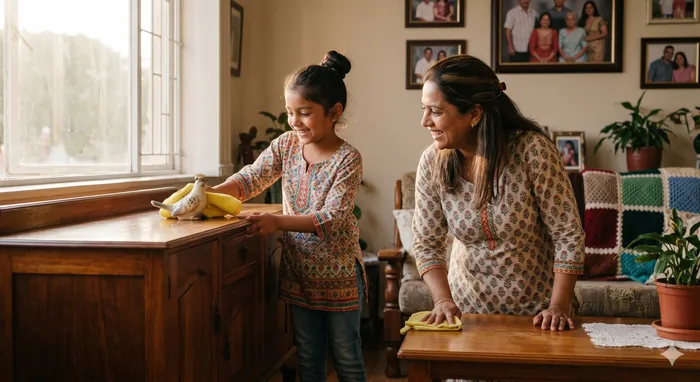
2. Responsibility starts small (and slightly inconvenient): chores are not punishment; they are preparation. Small responsibilities teach accountability and build discipline, even if they are met with resistance at first.
3. Kindness does not require self-sacrifice: children should learn that kindness and boundaries coexist. Being considerate does not mean accepting poor treatment. This distinction becomes invaluable in their future relationships.
4. Not everything requires a reaction: discernment is a quiet strength. Teaching children when to engage – and when to remain silent – prepares them to navigate conflict with maturity.
5. Discomfort is part of growth: shielding children from every difficulty does them no favours. Resilience is developed through challenges, not avoidance. Allow them to experience setbacks and learn to recover from them.
6. Apologise with intention: an apology should reflect understanding and accountability, not obligation. Children who grasp this learn to repair relationships rather than simply dismiss conflict.
7. Financial awareness is a life skill: an early understanding of money fosters independence. Allow children to manage, spend, and occasionally mismanage their resources – it is a practical education they will not gain elsewhere.
8. Integrity is built on consistency: a person’s word should carry weight. Following through on commitments establishes trust, which underpins every meaningful relationship.
9. Approval is not a requirement: not everyone will approve of them, and that is entirely acceptable. Teaching children this early frees them from the need to compromise their values for acceptance.
10. The truest measure of character is at home: politeness in public is easy; consistent kindness at home is more telling. How they treat those closest to them will define the quality of their future relationships.
Raising children is not about controlling outcomes, but about equipping them with the judgement, resilience, and values to navigate life independently. The lessons that endure are rarely the ones formally taught, but those quietly reinforced through example. In the end, the greatest legacy you leave behind is not material or measurable, but reflected in the kind of adults your children become – contributing, successful, and, above all, kind.