

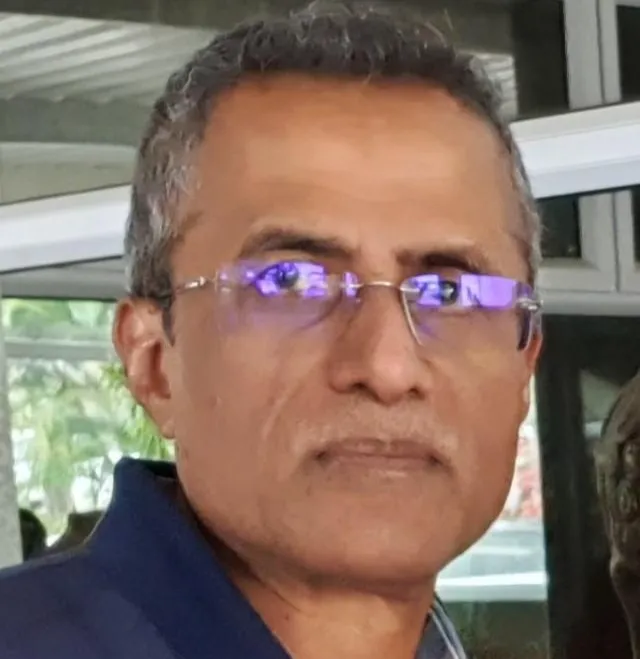
Professor Brij Maharaj
Image: File
Dear Mrs Mkhwanazi-Xaluva,
Chairperson, CRL Commission
THE South African Hindu Maha Sabha is recognised by our government as the national body representing Hindus in our country.
The Hindu community has consistently participated in interfaith and civic processes. Inclusive consultation and transparent communication are essential to the credibility and success of any institution that affects religious or cultural sectors.
As representatives of the Hindu community, we express our deep concern regarding the establishment of a Section 22 structure without meaningful engagement with recognised stakeholders from the Hindu sector.
Such omission is inconsistent with constitutional and statutory expectations governing participatory processes and undermines the legitimacy of the structure being implemented.
It is deeply concerning that a structure of this magnitude has been constituted without any prior notification, invitation for comment, or formal consultative process involving the Hindu sector. By excluding the Hindu sector from the establishment of the Section 22 process, the responsible body denied an affected constituency its legitimate expectation to be heard. Such omission undermines procedural fairness, constitutes a significant deviation from established expectations of participatory governance and calls into question the validity of the process.
The credibility and acceptance of any statutory structure depend on its compliance with constitutional values and established participatory norms. The Hindu community has a longstanding and constructive record in interfaith, cultural, and civic engagement. Decisions implemented without consultation create the impression of exclusion, undermine trust between sectors, and may compromise the ability of the structure to function effectively.
The lack of consultation has led to:
There is also concern that the CRL is exceeding its mandate and bypassing existing Legal protections.
While the CRL rightly raises concerns about the need to curb abuses within religious organisations, South Africa already has a comprehensive legal framework addressing fraud, assault, financial misconduct, sexual offences, and child protection.
The state should enforce existing laws, and religious communities should not be burdened with governance structures that duplicate or exceed constitutional protections.
The CRL’s constitutional role is to promote and protect the rights of religious, cultural, and linguistic communities — not to supervise or regulate them.
Request for immediate remedial action
The Hindu sector formally requests:
SAHMS remains committed to constructive involvement and principled collaboration, dialogue, interfaith and intersectoral cooperation. Such a partnership is only possible when processes are transparent, inclusive, and procedurally sound. Decisions made without inclusive consultation risk undermining trust and may inadvertently create divisions where partnership is needed. We therefore respectfully request that the concerns raised be addressed as a priority to restore confidence and ensure equitable participation in the future. Through transparent communication and inclusive processes, we can collectively build structures that reflect the diverse voices and values of our society.
PROFFESSOR BRIJ MAHARAJ
Deputy President SAHMS