

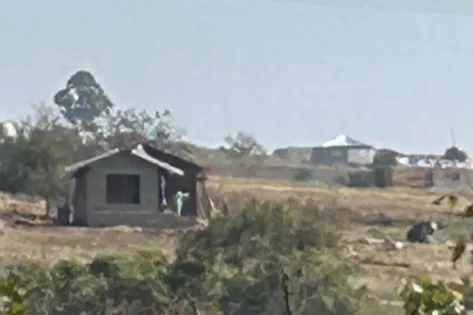
Houses that have allegedly been illegally built on privately-owned land in Emona, Tongaat.
Image: Supplied
IN EMONA, Tongaat, families who have farmed the same land for generations are facing a crisis as illegal invasions threaten their livelihoods and heritage.
Despite opening cases with police and approaching municipal authorities, the landowners have been left frustrated as large permanent structures continue to be built on their private properties.
Now they are calling for urgent government intervention as the situation escalates
According to the landowners, the invasion started about two decades ago but it had worsened over the past two years.
A landowner, farmer and businessman, who declined to be named for the fear of his life, said his various plots of land – which totaled 100 acres – was acquired by his grandfather in 1892. It was passed down to his father, and now to him.
He said his uncles had also been given land by his grandfather, which they had passed down to their children.
In total, the family owned over 250 acres of land, he added.
“My grandfather came to South Africa with his parents when he was seven years old. They toiled in the sugar cane plantations. Later in life, my grandfather leased some land. He then went on to buy the land where he had a sugar cane farm and grew Indian vegetables.
“He then divided the land between his children. This was the norm for many of our indentured forefathers who acquired land in the area.
“While some of us have remained and continued to farm or lease some of our land to other farmers, many who were given land by their forefathers have since died. Due to their land remaining vacant, we started seeing the development of the informal settlements from the 1980s. However, it became concerning when massive houses started being built on this privately-owned land, some of which is still being used for farming,” he said.
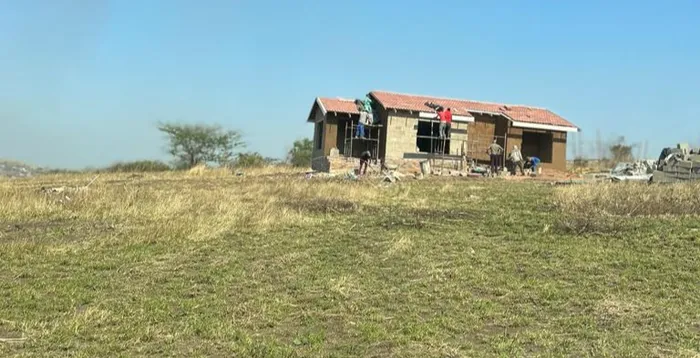
Houses that have allegedly been illegally built on privately-owned land in Emona, Tongaat.
Image: Supplied
The man said in 2012 he was approached by a local induna and representatives from the Qwabe Tribe who claimed that they owned the land.
“I am a well-known and active farmer in the area. The induna told me that we needed to prove that we had title deeds for the land. He informed us that the land was taken from them by the 'white man' to be cultivated and returned. However, the land was not returned and they now want it back.
“I told them that we had the documents to show that the land belonged to us. We did not steal it. After the meeting, I told the induna that I would speak to the other farmers and we would communicate with him thereafter.
“A few years later we appeared before the tribal authority and produced our title deeds. There were various other entities present including representatives from the Deed Offices, who verified the documents. After this, there was silence until about two years ago, when we saw houses popping up on privately-owned land quite rapidly.
“So I went to the induna to find out what was happening. He claimed they were no longer giving out ‘permission to occupy’ land. This is when a person pays some money and a piece of land is allocated for them to build on,” he said.
The man said since then the landowners had been left frustrated as the invasion continued.
“The landowners have been to the police station and opened cases of trespassing, yet it still continues. While there have been arrests and the demolition of some of the structures, a new one pops up every day. We need further intervention or we will be forced to leave our own land,” he added.
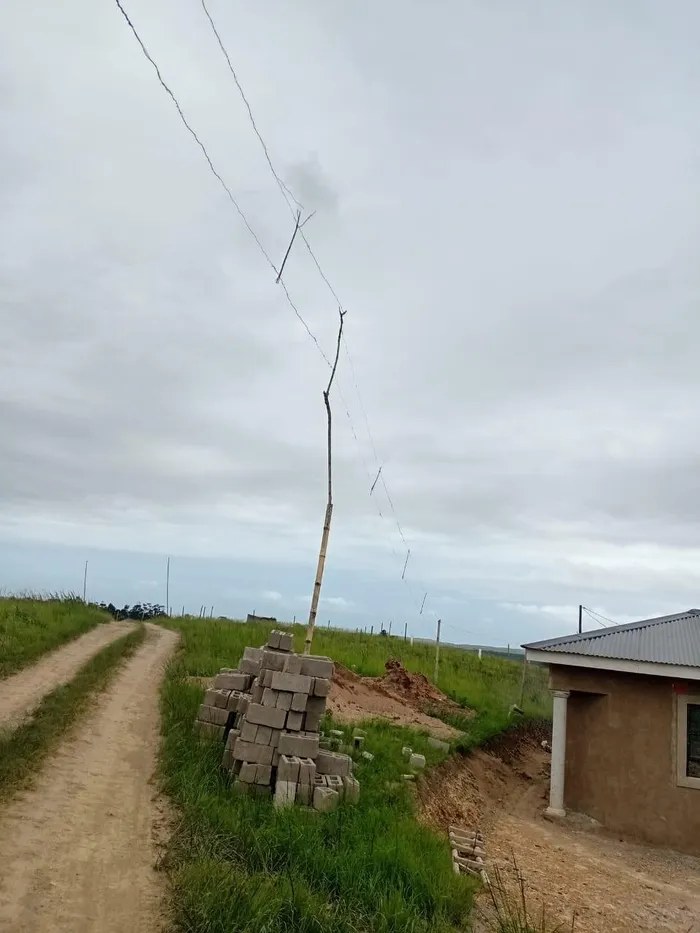
Alleged illegal electricity connections
Image: Supplied
Another farmer, who declined to be named, said he owned three plots of land - 25 acres, 30 acres and 35 acres - which had all been invaded.
He said the land was handed down to him by his mother, who was late.
“My mother was given the farm by my grandfather, on which he initially grew sugar cane and later vegetables such as brinjal, tomatoes, chillies and a variety of beans. He also grew marigolds.
“The invasion started on the land more than 15 years ago. At the time my family was intimidated and forced to stop farming. We watched shacks being erected and felt helpless. We went to the police and opened cases of trespassing, but nothing was done. We called the eThekwini Municipality's Land Invasion Unit. They came out on a couple of occasions and knocked-down the shacks, but the land invaders rebuilt them soon thereafter.
“The houses built on my farm are also using illegally connected electricity and water. We feel helpless, but we cannot move as this place holds our family history and legacy,” he said.
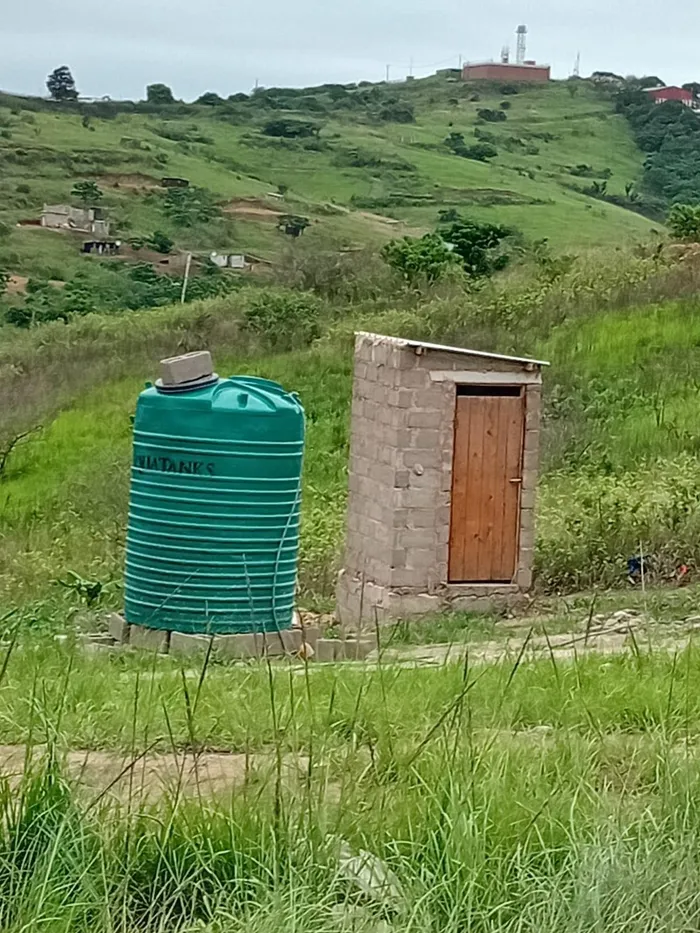
Alleged illegal water connections for outside ablution facilities.
Image: Supplied
A businessman, who also declined to be named, said he purchased his 24 acres of land in 2007.
He said the land was initially owned by a family who purchased it after completing their indentured service contracts after arriving in South Africa in the 1860s.
“The land was initially used for sugar cane farming. However, I purchased the land as it had a deposit of exceptionally good black shale, which is highly sought after for gravel.
“The invasions on my land began in early 2023. I started speaking to other land owners who told me that claims were being made by the local tribe that they owned the land and were selling plots for R50 000 each.
“After much frustration and running around, I was finally able to open a case at the police station. I then referred that case number to the eThekwini Municipality's Land Invasion Unit. After months they eventually responded with the recommendation that I should pursue a civil case and hire private security guards,” he said.
The man said he had since relinquished his aspirations of developing the land for commercial purposes and was now considering selling.