

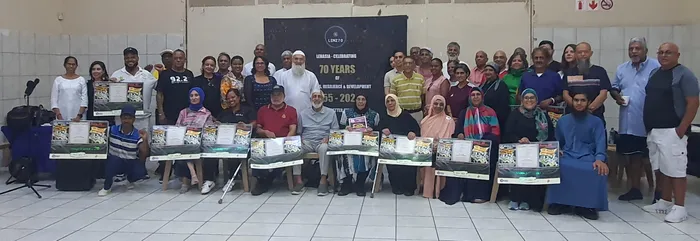
The launch of the Lenz70 Campaign.
Image: Supplied
THE Lenz70 campaign ended last weekend closing a year-long set of activities marking 70 years of the existence of Lenasia. It began with a low-key public launch in February this year that got skeptics wondering whether there was any merit at all in celebrating seven decades of a racially defined “Indian” community established under the Group Areas Act that was enacted in 1950 by the racist National Party. It ended on a high note with the launch of 46 volumes of Lenasia Hitting the Headlines, compiled by veteran photojournalist, Fakir Hassen.
These booklets are a collection of newspaper articles from the Lenasia Times over 41 years. Through the lens of this local newspaper an impressive history of Lenasia itself has emerged. The credit for this naturally must go to the founding editor of the newspaper, the late Waheed Camroodeen, his son and business successor, Waseem, and their close associate, Hassen.
The programme over the year involved extensive local media engagements, with the Lenasia Times, Rising Sun (Lenasia), Globe Post (Lenasia South), Salaamedia, Eastwave 92.2FM, BeonChat and LenzFM serving as media partners and supporters. The POST published monthly articles on different aspects of the history of the community.
South Africa’s popular golf champion, Dylan Naidoo, sent a goodwill message as his family lived in Lenasia.
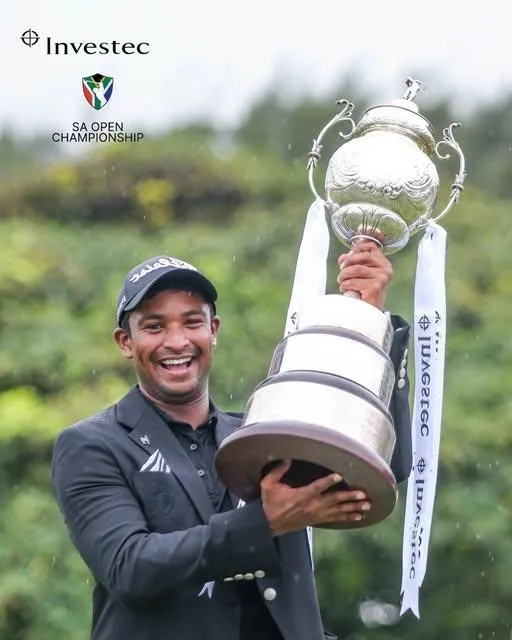
Dylan Naidoo's family lived in Lenasia. Naidoo won the SA Open championship at the Durban Country Club in March.
Image: Investec
Lenasia Secondary School, established as the first school in the area in February 1955, celebrated its 70th anniversary, with a glittering alumni dinner and open day exhibiting amazing photographs of its history. Two teachers from the school, Hawa Munshi (principal) and Shameema Alli, were recipients of the national Excellence in Secondary Leadership and Excellence in Teaching Mathematics awards, respectively.
Both Greyville Primary and Model Primary Schools marked their 60 years, diamond anniversaries. This was followed by a string of sporting events hosted by the Lenasia Inter-Primary and Inter-High Schools’ Sports Associations, ending with their annual awards. The Lenasia Table Tennis Association, Shokotan Karate, Lenasia Chess Academy, SKR Martial Arts and Padel Infinity hosted well-attended tournaments in their respective codes.
The English Teachers’ Society organised an exciting book quiz for local schools. The Lenasia Cycling Club hosted a 70km ride to mark Freedom Day and NISAA Institute for Women’s Development, in partnership with the Lenasia Athletics Club and National Shelter Movement of South Africa, organised the Park Run on Women’s Day. Religious groups such as ISKCON, Hindu Co-ordinating Council and Lenz Shree Temple hosted religious ceremonies and prayers, while the Nurul-Islam Mosque and the Via Christi Community marked their golden anniversaries.
LenzFM 93.6 hosted the annual "mass iftar" during the month of Ramadaan. The Lenasia Big Fete Carnival and Gandhi Walk were popular events that drew large crowds. Equally popular with residents were the Lenasia Writers’ Book Fair, the month-long Photographic Exhibition and the Lenasia Art Festival, which drew in support from young writers, photographers and artists in the community. Eastwave Radio honoured leading community figures who contributed to the development of Lenasia through its Nelson Madela Community Leadership Awards.
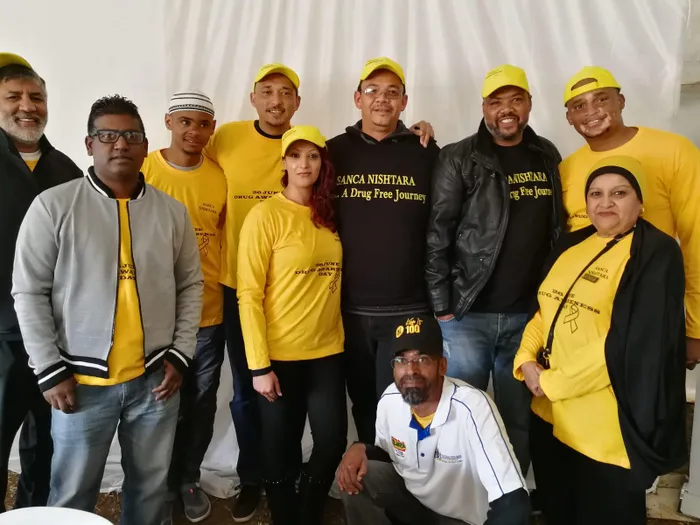
The Nishtara Recovery and Wellness Centre and the TiBA Services for the Blind arranged health awareness programmes.
Image: Supplied
The Nishtara Recovery and Wellness Centre and the TiBA Services for the Blind arranged health awareness programmes. The Vintage Car Show - a first in the community - was a popular attraction for all age groups. In addition to Lenasia Hitting the Headlines, two additional publications were launched, namely, Mohan Hira: Humanitarian Extraordinaire and The Blue Album: Robben Island Prisoner 8/65, celebrating the lives of Shihan Mohan Hira and veteran ANC leader, Laloo “Isu” Chiba.
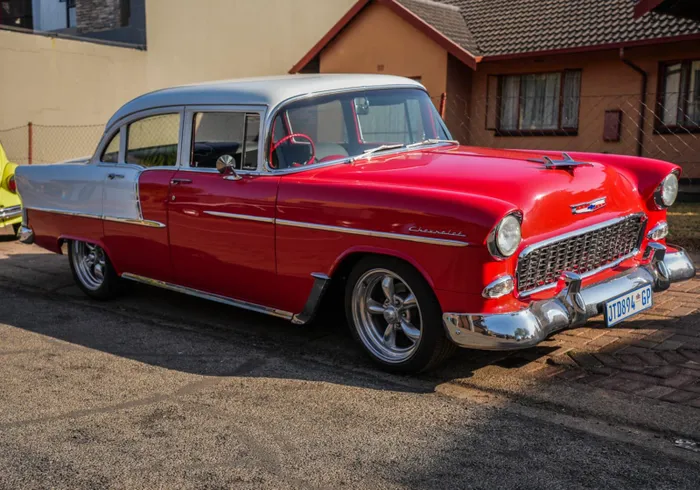
This 1955 Chevrolet Bel Air was showcased at the Vintage Car Show, which was a popular attraction for all age groups.
Image: Supplied
Importantly, the Ahmed Kathrada Foundation opened its archives to the public depicting the life of its founder. Big hits were the Kashvita Music and Dance Academy which celebrated its 21st anniversary with an “Evening of Stars Show” and the Lenasia Teachers’ Re-union Dinner that brought back lively memories of generations of educators and learners. This extensive celebratory programme drew significant participation from different sectors of the community and the Lenz70 website, www.lenasialegacy.co.za, records these activities, including a wide collection of historical records and articles on the community.
Also, the websites of celebrated Lenasia author, Ahmed Essop, and the Ahmed Kathrada Foundation are linked to the Lenz70 website. What are the lessons learnt from this innovative, grassroots campaign?
The first is that residents respond positively to community initiatives that affect and interest them directly. Activities that are of wide and diverse interest draw in different participants and audiences, which cumulatively result in a more nuanced and refined understanding of a community and its people.
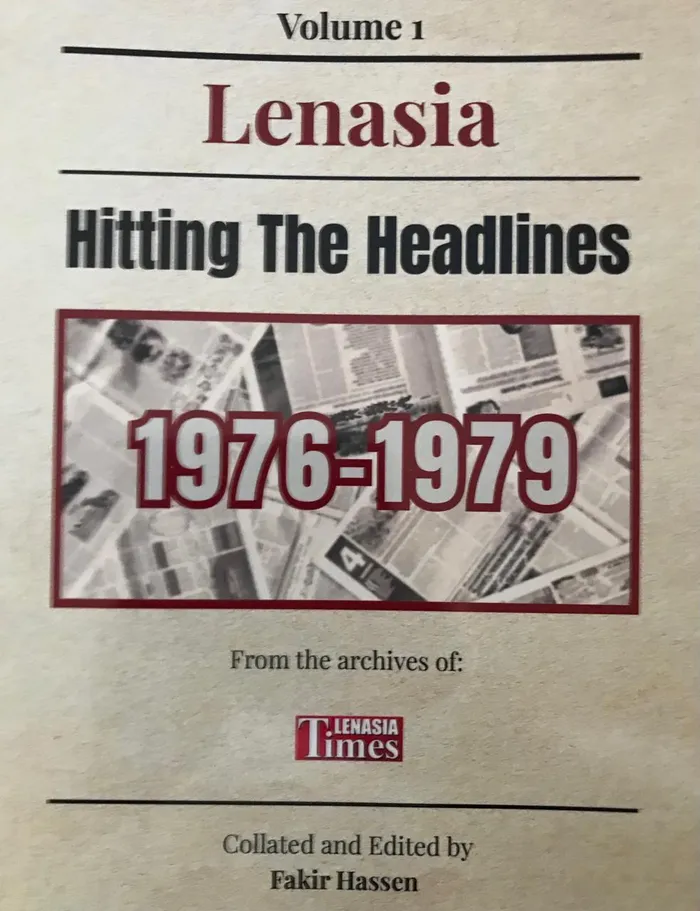
Veteran photojournalist Fakir Hassen launched 46 volumes of Lenasia 'Hitting the Headlines'.
Image: Supplied
Secondly, Lenz70 did not raise any money for the wide range of activities – it has no bank account, no budget and no cash. Whatever was organised was self-financed by participating and partnering organisations, and they drew from the available resources of the community. Of course, the generosity of local businesses and several individual well-wishers should be acknowledged, for which we are immensely grateful. It highlights the new way organising – networking, using social media platforms, decentralised coordinating arrangements, and responding to popular impulses.
Thirdly, what struck me the most was the presence of a new generation of young leaders across sectors in the community. They are innovative and creative, energetic and passionate about their work, and dedicated to community upliftment and development. They are unlike the activists of an earlier generation, who were an integral part of the anti-apartheid struggle, and who tend to focus on their historical contributions to the struggle and reputational management. This reality inspired me. It shows that with changing times new leaders will emerge who will advance their and the community’s interests.

Pastor Russel and Mrs Abrahams at the Lenasia Arts Festival.
Image: Supplied
This reminded me an interesting letter by Pamela Padayachee published in the POST (July 23 to 27 2025), which states: “If our elders are serious about legacy, they must recognise that it is not preserved by holding on, but by letting go with dignity, passing on not just titles, but trust, tools, and space. The future will not wait for permission. It is already being built, often outside and in spite of the old guard. The only question that remains is whether our elders will choose irrelevance through resistance, or immortality through meaningful succession.”
For these young leaders, politics is not primary, it’s incidental. This does not mean that they are apolitical. They are acutely aware of the changed political environment and are sharply critical and meaningfully concerned about the community and the country at large. However, their political interests sway away from party-political affinity and identity. They are tired of the lacklustre performances of political parties across the board, and they are not easily fooled by the cheap publicity stunts of their leaders, locally and nationally.
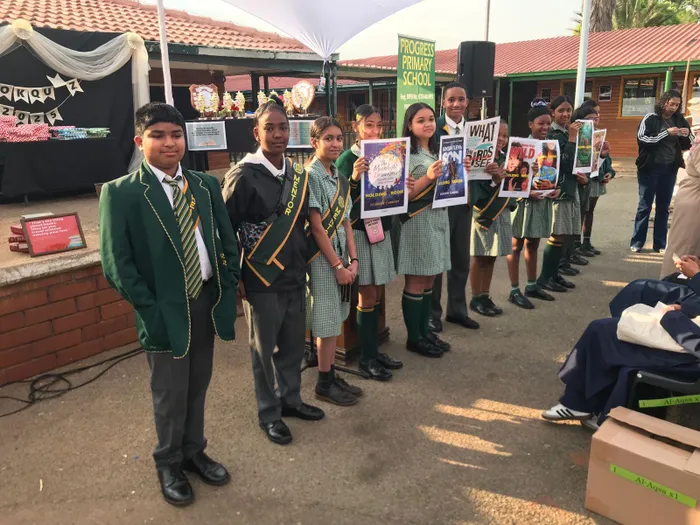
Pupils at the English Teachers’ Society Book Quiz.
Image: Supplied
Finally, the Lenz70 campaign has firmly recognised the historical birth of the community of Lenasia. It has regenerated among young and old interest in its history, its leaders and inherited legacy. Even so, there are fault lines – the community is less cohesive and more religiously entrenched; rich and poor and African and Indian do not necessarily share the same vision about the future; more recently arrived Pakistani, Indian, Bangladeshi and African immigrants remain on the fringes of the community but dominate local trade; and politics remains fractious and divided.
These are the some of the new challenges that lie ahead as we prepare for the local government elections next year.
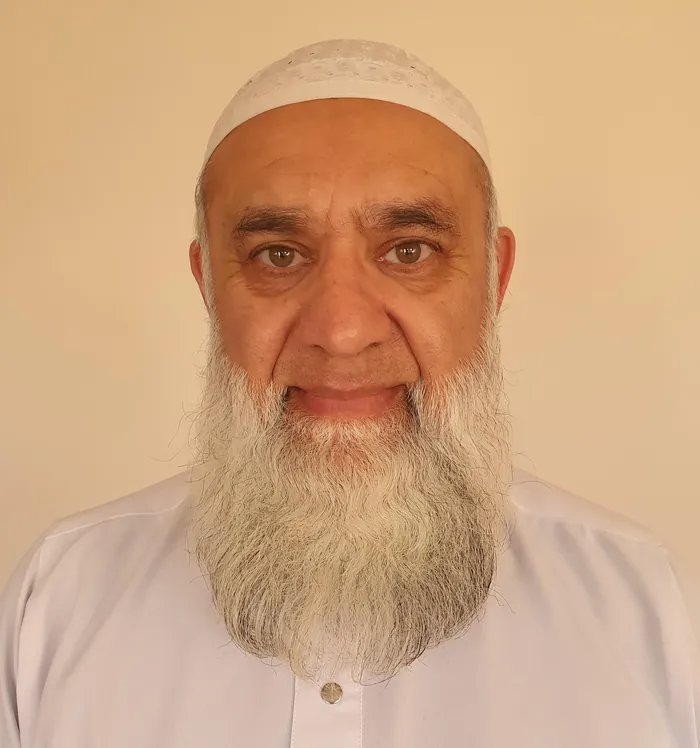
Dr Ismail Vadi
Image: File
Dr Ismail Vadi is the convenor of the Lenz70 Campaign and the former MEC for Roads and Transport in Gauteng