

Child welfare advocates call for urgent action to address underage relationships in KwaZulu-Natal.
Image: Anna Tarazevich/Pexels
CHILD welfare advocates have raised their concerns about underage relationships in communities across KwaZulu-Natal (KZN).
They are now calling for greater parental involvement and increased community awareness.
This urgency follows the recent case of a 13-year-old girl reported missing, but was allegedly found to have left home with a 25-year-old man. She was found a few days later.

Adeshini Naicker
Image: File
Adeshini Naicker, the director of Childline in KZN, said the incident was concerning.
“Sadly, we are seeing more cases where young girls form secret relationships with much older men, often through grooming, manipulation, and online contact. It is a growing issue in the province, which places children at severe risk.”
Naicker said the organisation regularly dealt with cases where minors “go missing”, but are found to have left their homes with adult partners.
“In these situations, we work closely with the South African Police Service (SAPS), Department of Social Development (DSD), and the family to ensure the child is safely recovered, medically assessed, given counselling, and that the case is referred for investigation and protection services.”
Naicker said there were various reasons why children often left home with adult partners.
“They are groomed over time, promised love, gifts, or freedom, or because they are experiencing difficulties at home such as conflict, neglect, or lack of supervision. Older partners take advantage of their vulnerability and limited understanding of danger.
“However, parents and communities can help by keeping open communication with children, monitoring online activity, being alert to sudden behavioural changes, and reporting suspicious adult behaviour early. Society also needs to challenge the harmful normalisation of older men pursuing young girls, and ensure that these cases are treated as serious crimes, not relationships,” she said.
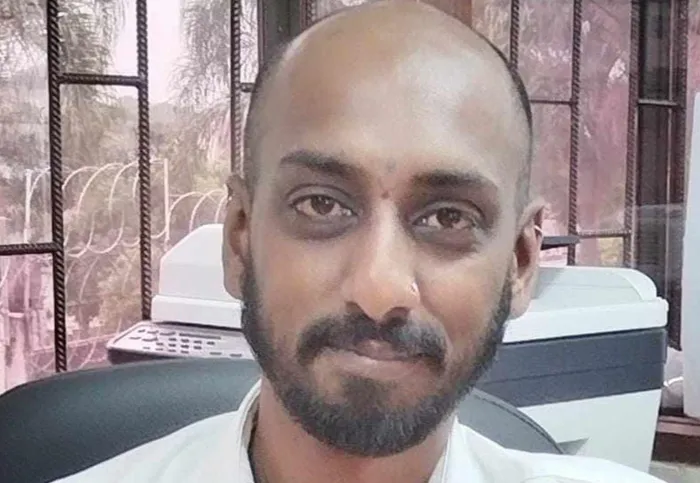
Pranashen Pillay
Image: Supplied
Pranashen Pillay, the director of Child Welfare Chatsworth, said the recent case underscored the vulnerability of children to exploitation, manipulation, and grooming by adults who often held positions of trust within the home or community.
“While it may seem that such incidents are becoming more frequent, the reality is that many cases of underage relationships, grooming, and exploitation have historically gone unnoticed or unreported. Today, increased awareness, social media exposure, and improved reporting mechanisms have brought more of these troubling situations to light. In KZN this issue remains particularly significant.”
Pillay added that poverty, overcrowded households, limited supervision, and strained family dynamics often placed children at greater risk of forming inappropriate relationships with adults.
“Many cases reveal how children are lured or influenced by individuals who exploit their emotional or economic vulnerabilities, leaving them exposed to serious harm.”
Pillay said organisations working in child protection encountered these cases periodically.
“It is often through referrals from schools, community members, or the SAPS. While the frequency varies, situations involving underage relationships, grooming, or children leaving home with adults are not uncommon.”
He said each case demanded urgent intervention due to the severe risks posed to the child’s physical and emotional well-being.
“When a child goes missing and is later found with an adult partner, child-protection organisations typically become involved once the matter is reported to the DSD or SAPS. Their role includes conducting a comprehensive assessment of the child’s physical, emotional, and psychological state, establishing the circumstances surrounding the disappearance, and evaluating the nature of the relationship with the adult involved.
“They also determine safety risks within the home environment, provide counselling to help the child process the experience, and rebuild trust with caregivers. Where criminal charges such as statutory rape, grooming, or child endangerment are applicable, organisations work closely with law enforcement. A safety and care plan is then developed to ensure the child is protected and properly supervised going forward,” he said.
Pillay said parents and communities played a critical role in preventing such “tragedies”.
“Strengthening parent-child communication is essential, as children who feel heard and supported are less vulnerable to external influence. Active supervision, particularly awareness of which adults have access to the child, is equally important. Promoting awareness about grooming, exploitation, and online risks helps equip families with the knowledge to protect children. Building supportive home environments that minimise conflict and create safe spaces for children is vital.
“Furthermore, early reporting of suspicious behaviour by community members, teachers, and relatives can prevent escalation, while collaboration with child-protection organisations ensures that vulnerable children receive timely intervention and support,” he said.

Jo Moodley
Image: Supplied
Jo Moodley, the social worker manager and general manager at Tongaat Child and Family Welfare Society, said underage relationships have become a concerning problem in communities.
“It seems that younger and younger children are exploring relationships out of the normal ambits, looking for relationships with older men or women who have cars, money, or some kind of unhealthy appeal.
“The bigger problem is that these older men and women don't seem to understand that these cases constitute as statutory rape and they should be legally charged for soliciting a relationship with a minor child. Most often these girls also become pregnant at an age where they are now children raising children,” she said.
Moodley said they received at least one case every month about an underage relationship.
“However, some families are condoning these relationships and therefore there are many cases not reported.”
Moodley said with each case the organisation intervened in, it was treated as a sexual assault or statutory rape.
“The family can open kidnapping charges if relevant. However, we advise on a case of statutory rape being opened at SAPS, then the relevant medicals and counselling follows. We hope that counselling can assist these youth but very often they believe they are in love and are often headstrong, not worrying or realising the damaging effect on their families, reputation and future.”
She said more needed to be done to educate children on grooming, sexual predators, the ills of social media, reputational damage, and teenage pregnancy.
“Parents also need to observe their children's behaviour closely. Be aware of their daily routines and activities, as well as monitor who they spend time with. Parents should also encourage their child to seek a better, educated future, rather than one that starts with becoming a teenage parent.
“Neighborhood watches should also report suspicious behaviour such as house parties that may be happening while parents are at work. Communities and stakeholders need to work together to protect children as they are all our children,” she said.

Aroona Chetty
Image: Supplied
Aroona Chetty, the director of Phoenix Child Welfare, said: “This has become a norm in our communities as there have been many cases of this nature lately.”
She said underage relationships stemmed from different reasons.
“Firstly, adolescence is a stage where young people are still forming their identity and they are very sensitive to how others perceive them. When an older person shows interest, listens to them and even gives them compliments, that can create a strong emotional connection.
“This is also a stage where teenagers are most of the time in conflict with their families. They normally feel misunderstood, critiqued and overlooked hence they become vulnerable to the attention they receive from older partners. Material benefits like money or food also have an impact on this issue,” she said.
Chetty added that parents or guardians needed to improve communication with their children.
DSD did not respond at the time of going to publication.