

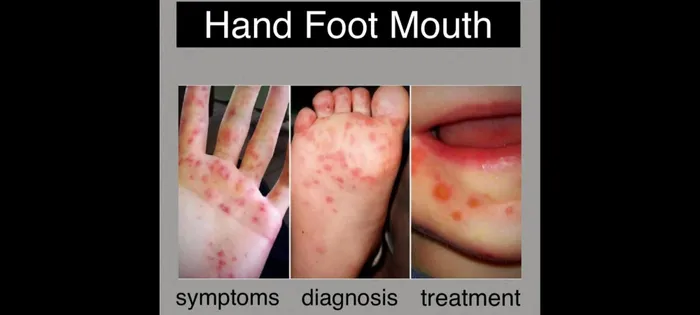
TWO KwaZulu-Natal schools have reported cases of Hand, Foot, and Mouth Disease (HFMD) in the past week.
Image: STOCK IMAGES
TWO KwaZulu-Natal schools have reported cases of Hand, Foot, and Mouth Disease (HFMD).
Health experts warn this highly contagious viral infection can spread rapidly in school environments, with children under five being most vulnerable.
Stanger Manor Secondary in KwaDukuza, and Olympia Primary in Phoenix, issued circulars to parents alerting them that they had each reported one case in the last week.
They urged parents to seek immediate medical attention for their children if they displayed any symptoms.
The schools also said they were taking the necessary precautions by disinfecting classrooms daily.
In February last year, there were 195 confirmed cases reported at schools and daycare centres in Phoenix, Greenwood Park, and uMhlanga.
At the time, a primary school in Phoenix had reported 89 confirmed cases.
Dr Lilishia Gounder, a clinical virologist said HFMD was a common infection among children globally.
She said while children under five years old are the most vulnerable, adults and adolescents can also have HFMD.
“HFMD is also considered a travel-associated disease.”
Gounder said patients usually experience fever and tiredness, followed by sore throat and painful vesicles (small fluid-filled blisters) in the mouth, usually affecting the lining of the mouth, tongue, or hard palate.
“Additionally, a vesicular rash occurs on the hands (palms), feet (soles), and, less frequently, on the buttocks, genitals, elbows, and knees.”
Gounder said transmission occurs by direct person-to-person contact with saliva, nasal and throat secretions, vesicular fluid, or stool of an infected individual, as well as through contact with contaminated surfaces and objects.
“The incubation time ranges from 3 to 6 days, and the disease is typically self-limiting, with recovery occurring within 7 to 10 days.
Gounder said HFMD can transmit rapidly, resulting in significant outbreaks that may necessitate the closure of nurseries, daycares, and schools.
She said the treatment of HFMD mostly consists of supportive care aimed at alleviating symptoms such as fever and pain from oral lesions, as well as preventing dehydration, particularly in young children.
“There are no antivirals available to treat this disease. However, long-term complications are rare.”
Gounder said among the precautionary measures included refraining from close contact with sick individuals, ensuring proper hand hygiene, and cleaning and disinfect surfaces and products that may be contaminated.
The Department of Health in KZN did not respond at the time of publication.