Home Affairs clarifies immigration policy: cultural burial practices protected
24-HOUR DIGITAL DEATH REGISTRATION
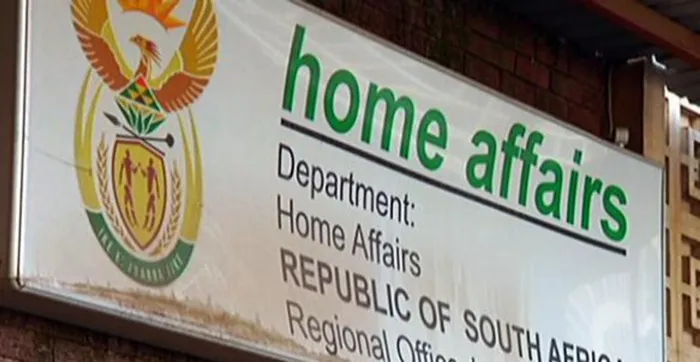
Home Affairs is introducing stricter death registration requirements to prevent identity fraud while promising that cultural and religious practices requiring immediate burial will be protected.
Image: File
THE Department of Home Affairs has moved to reassure South Africans that cultural and religious burial practices will not be restricted under proposed changes to immigration policy, while still addressing concerns about identity fraud in the national population register.
The department plans to introduce 24-hour digital death registration to balance legal requirements with cultural sensitivities.
The department issued the clarification after receiving public submissions on the Draft Revised White Paper on Citizenship, Immigration and Refugee Protection, whose comment deadline closed on February 15, 2026.
“The Department of Home Affairs expresses its appreciation to all South Africans who have taken the time to make inputs,” the department said.
At the centre of concern is a proposal that burials conducted before death registration could be classified as concealment of death, a move authorities say is aimed at preventing identity fraud.
According to the department, current law already requires deaths to be formally recorded before burial, but this is not always followed.
“Registration of the death at Home Affairs is required prior to burial taking place. Unfortunately, these provisions are not always complied with, resulting in inaccuracies in the population register, whereby persons who have died are still recorded as being alive,” the department said.
Officials warned that the loophole “opens the door to acts of fraud and identity theft and undermines the integrity of the country’s civil registry.”
To address the problem, the department plans to introduce a 24-hour digital registration option through its forthcoming Digital ID platform.
“To make compliance easier, the Department will also enhance access to this service through the Digital ID system that is currently under development, which will provide a digital channel to register deaths on a 24/7 basis,” it said.
However, the department emphasised the reform would not interfere with urgent burial traditions practised across South Africa.
“The Department, however, wishes to emphasise that all of these proposals will be implemented in a manner that fully upholds cultural and religious practices requiring burial to take place immediately or shortly after death.”
It added that existing procedures allowing burial after a doctor completes a notice of death form would remain in place and be extended digitally.
“Rather than limiting adherence to cultural and religious requirements, the Department aims to use these reforms to significantly enhance access to the death registration process,” the department said.
Following the public consultation period, the department confirmed the wording of the proposal will be revised to avoid confusion and assured communities that “this practice will be protected.”
The department said the reforms form part of broader efforts to fight fraud and strengthen the integrity of the population register while respecting cultural dignity.