Price pressures and red tape: the plight of a local vegetable farmer
Shakaskraal farm
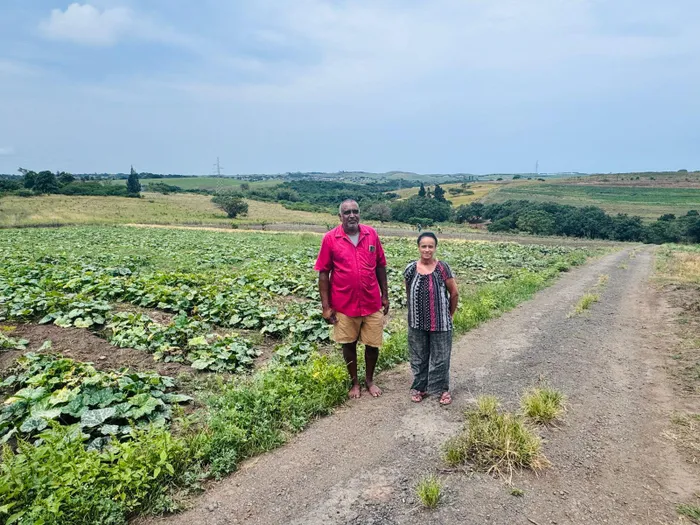
Pravin Hiblal with his wife, Shireen, on their farm in Shakaskraal.
Image: Monishka Govender
FOR Pravin Hiblal, 59, a fourth-generation vegetable farmer in KwaZulu-Natal, farming is a century-old family legacy now threatened by plummeting produce prices, rising costs and corporate pressures.
He now struggles to sustain the 17-hectare Shakaskraal farm that has been his family's livelihood for generations.
He said the farm traced back to his great-grandfather – more than 120 years ago.
“My father was born and brought up here, and so was I. I started farming in 1987, but the property was only transferred to me when my dad passed away. Today, the farm is our only source of income, and sadly we are just not making ends meet,” he said.
“Back in the day, we got decent prices for our produce. Now we are being dictated to by corporations, retailers and the system.”
Hiblal grows green chillies, beans and spinach, adjusting crops seasonally.
Yet even when harvests were good, the market returns are unpredictable, he said.
“Last year, green chillies sold for R20 to R25 a kilogram. This year we are getting R5 a kilogram. Can you take such a pay cut? Fertiliser, labour and fuel costs are climbing, but we are getting paid less each year.”
He said price collapse had forced him to make difficult decisions.
“At the moment I have stopped irrigating. I just stopped everything to try and make ends meet.”
Hiblal does not supply major supermarket chains. He said the compliance requirements, particularly the GlobalGAP certification, was expensive.
“It costs about R30 000 a year and they want market-related prices, but none of their buyers go to the market. They want it specially delivered and packaged, but they want to pay what you would get at the open market.”
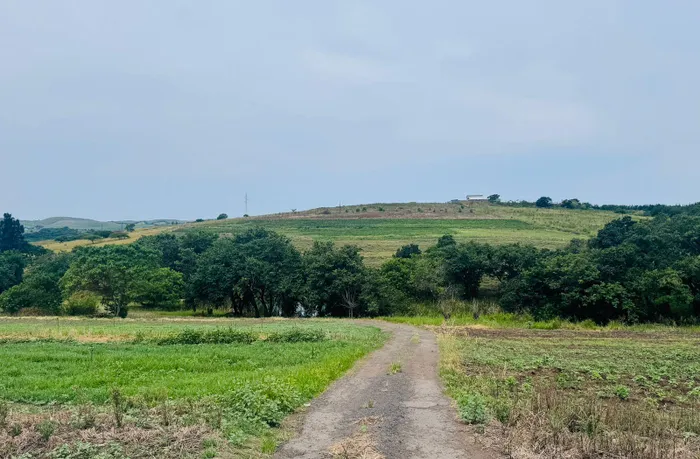
The Hiblal farm in Shakaskraal.
Image: Monishka Govender
In addition to the certification, farmers must also secure water licences for irrigation, and comply with pest control regulations requiring qualified pest control officers, he added.
Compounding the problem, Hiblal said the neighbouring land use threatened his compliance status. He then pointed to a nearby dumping ground on agricultural land.
“If I apply for certification, I will not get it. Contamination will occur because of the dumping near my farm. That stream goes down to the river. The fish have already died. But nobody cares.”
The farm has also faced theft. Hiblal recounts being confronted by four men one night after his dogs began barking.
“They were stealing. I retreated. I made incident reports, but nothing happened. The station commander should be reading those reports. They cannot be bothered.”
While security is a concern, he insisted it was not a crisis.
“If the prices were right, we could put fencing and tighten security.”
Hiblal said the news of the financial turmoil at Tongaat Hulett had sent shockwaves through cane-growing regions.
“If they liquidate, what is going to happen to all the cane farmers? They are going to start producing vegetables and dump it on to the markets. That is going to hurt everybody.”
Despite owning valuable land in a rapidly developing area near new residential estates and shopping centres, Hiblal said selling the farm was not a simple solution.
He has received offers around R7.5 million, he said, but argued that after taxes and costs, it would not secure his family’s future.
He said they had to cut their medical aid and relied on a basic lifestyle. Hiblal said in some weeks, after paying wages and other costs, nothing remained.
“But we just carry on and live in hope.”
He believes the agricultural pricing system required urgent review.
“The biggest problem is people out there do not understand that food security comes from farmers. But nobody cares about food security.”
Despite mounting pressures, volatile prices, compliance burdens, crime and environmental concerns, Hiblal continues planting.
“You cannot leave the fields empty. We plant and hope that we can sell it.”
“To be a farmer, has to be in your blood. I hope that the system changes, and I get to keep the land my family has farmed for generations,” said Hiblal.