
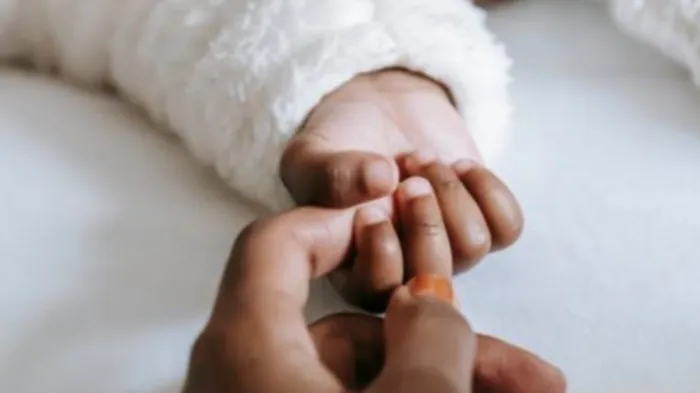
1008535554__20260130__0 A DURBAN mother who changed her mind about leaving her newborn in a baby saver last year has been reunited with her child.
Image: PEXELS
A DURBAN mother who changed her mind about leaving her newborn in a baby saver last year has been reunited with her child.
The woman returned to Isiaiah 54 Children’s Sanctuary on the Bluff a few weeks after placing her newborn in the organisation’s baby saver on September 5.
The home raised funds to pay for a private DNA test to expedite the process of confirming she was the biological mother.
This week, Isiaiah 54 Children’s Sanctuary director Youandi Gilain confirmed the DNA test was positive and that the child had been reunited with the mother.
Gilain said that when the mother made contact last year, she expressed deep emotional distress and explained she had never stopped thinking about her baby.
“She shared that she had acted out of fear and desperation at the time and that life has now changed slightly. She felt strong enough to come forward and ask whether there was a way for her baby to be returned to her care.
“The mother is a young adult. She found herself in an extremely vulnerable situation at the time of the baby’s birth — isolated, overwhelmed and without any means of support. She was afraid of judgement, unsure where to turn and believed that the baby saver was the safest and most loving option available to protect her child in that moment,” she said.
Gilain said the baby was not returned immediately after the DNA results were confirmed.
“The social worker had to conduct an assessment and ensure that reunification was in the best interests of the child. The process is handled carefully and responsibly, with the child’s safety and wellbeing remaining the top priority at all times.
“The baby is home with the mother now and all is well,” she said.
This is not the first time a mother has returned for a baby left in the sanctuary’s baby saver.
“It is the third time. However, it is not common for a mother to return. While baby savers are designed to provide safe relinquishment, it is uncommon for mothers to reclaim a baby after placement. This case highlights both the complexity of crisis situations and the importance of having compassionate, structured processes in place,” Gilain said.
The case comes amid debate over baby savers in South Africa. In October, the Democratic Alliance gazetted a Safe Relinquishment Bill aimed at legally recognising baby savers and safe havens, and protecting mothers and organisations that operate them, after the Department of Social Development (DSD) proposed making them illegal.
Co-founder of Baby Savers SA and operations director of Door of Hope, Nadene Grabham, told IOL that 29 babies were placed in baby savers across South Africa last year.
“These mothers are often carrying unbearable burdens: poverty so severe that they cannot feed another mouth; violence at the hands of a partner; rejection by family; the trauma of rape or incest; or the crushing weight of shame in communities where pregnancy outside marriage is harshly condemned. Some are teenagers. Some are migrants. Some are mothers already struggling to keep their other children alive.
“When a woman places her baby in a baby saver, she is not walking away from her child — she is running towards the only safe option she believes exists. She is choosing life over death, safety over danger, hope over despair. That choice is made in silence, often in tears and almost always at enormous personal cost,” she said.
Grabham said the Bill would bring clarity, consistency and compassion to a system that is currently fragmented and uncertain.
“Ultimately, the Safe Relinquishment Bill is about aligning the law with reality and with compassion. It affirms the constitutional principle that the best interests of the child are paramount, while recognising the complex, often traumatic circumstances faced by mothers in crisis. Legalising baby savers is not about lowering standards — it is about ensuring that when prevention fails, life is still protected.”
The DA’s social development spokesperson, Nazley Sharif, said the party was reviewing public comments and working with Parliamentary Legal Services to finalise the draft Bill. Once completed, it will be introduced in Parliament.
“The Bill is in its final stages of development and proposes including a provision that would allow a person who claims responsibility for a baby that has been safely relinquished to do so through formal legal processes,” she said.
“The Bill includes checks and balances to ensure that any decision made is in the best interests of the child and their rights. It places a time limit on reclaiming to ensure a baby does not remain indefinitely in temporary care and requires the involvement of social workers, the children’s court and a court order under the Children’s Act.”
DSD spokesperson Sandy Godlwana said the department’s position on the abandonment of babies, as outlined in the Children’s Amendment Bill, has not changed.