

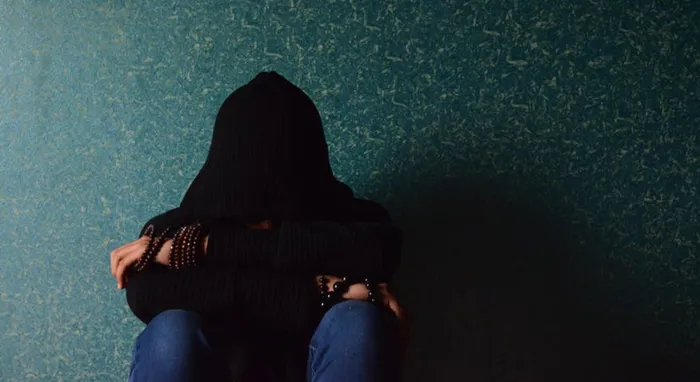
Cyril Pillay, chairperson of the Chatsworth Spiritual Crime Prevention Forum said the rate of suicide among teens and young adults was due to several contributing factors, including dysfunctional families and bullying.
Image: File photo
WITH a significant rise in teen suicide rates in Chatsworth, community leaders urge parents and teachers to create safe spaces for open conversations and support, addressing the underlying issues contributing to this crisis.
Cyril Pillay, chairperson of the Chatsworth Spiritual Crime Prevention Forum, said the rate of suicide among teens and young adults was due to several factors, including dysfunctional families and bullying.
“Teen suicide has risen considerably in our community in the past three months. Parents, guardians and children are disconnected from each other, and as a result, there is a breakdown of communication. Families are dysfunctional, and this has become a social norm.
“While depression remains the number one cause of suicide, the reasons for suicide have evolved over the years. Many young people are victims of substance abuse, bullying, cyber bullying, peer pressure, lack of parenting, and the influence of social media."
Pillay appealed to parents, community leaders and teachers to play their part in creating safe spaces for young people to confront difficult conversations.
“We as parents, community leaders and teachers need to create safe spaces for young people to confront difficult conversations to curb the rate of suicide among children, teens and young adults. We need to create safe recreational facilities where teens can have fun without the pressure of engaging in self-harming activities.
“Teenagers of the 21st century have better access to help with life issues today than 30 years ago. Assistance is available at religious organisations, schools, community centres and online. We urge parents to guide them so that they know where to seek help from,” Pillay added.
Pranashen Pillay, the director of Child Welfare Chatsworth, said they were seeing increasing reports of suicidal ideation, self-harm, severe depression, and emotional distress among teenagers, often surfacing late, when the child had already been struggling silently for some time.
“From a casework perspective, several recurring themes emerge. These include poor familial support systems, emotional immaturity of caregivers, online exploitation, bullying and grooming, and sexual orientation and identity struggles."
He said teenage pregnancy, poor academic performance and poverty, and socio-economic hardship were also contributing factors.
“Children are significantly more vulnerable to suicidal thoughts where there is limited emotional connection, inconsistent caregiving, or conflict within the home. Adolescents require not only supervision, but attuned emotional support. Where this is lacking, feelings of isolation and hopelessness intensify.
“In many cases, parents or caregivers themselves struggle with unresolved trauma, financial stress, or limited emotional literacy. As teenagers enter the later stages of emotional and identity development, their needs become more complex. Where caregivers are unable to respond with empathy, validation, and guidance, adolescents may internalise distress rather than seek help."
Pillay said they were increasing cases involving online exploitation, cyberbullying, and grooming.
“Social media can amplify peer comparison, humiliation, and exposure to harmful content. In some cases, young people are manipulated or blackmailed, leading to extreme fear, shame, and desperation. Adolescence is a critical period of identity formation. We are seeing heightened vulnerability among teenagers who are grappling with their sexual orientation or gender identity in environments where this may not align with family or cultural expectations. Rejection, or even perceived rejection, significantly increases emotional distress."
He said often, it was not one single issue, but a combination of stress factors that pushed teenagers into crisis.
To curb the rate of teen suicide, Pillay said teenagers needed more support.
“When emotional pain is met with understanding, validation, and practical support, hope can be restored. As a community in Chatsworth, we must move beyond silence and stigma. Protecting our children is a collective responsibility of families, schools, faith leaders, service providers, and neighbours working together to ensure that no child feels alone in their struggle,” Pillay added.
Farnaaz Hamid, a support group facilitator for the South African Depression and Anxiety Group in Chatsworth, said they had also noted, with concern, the rise in teen suicide.
“It is a major issue. Teenagers often do not have the support required as they are often misunderstood as being problematic or dramatic.
“We need to start having open conversations around teen suicide and how we can do our bit to help. Parents and families of teenagers should check in on them now and again to see if they are okay, if they are coping with life, or if they need help,” Hamid said.