

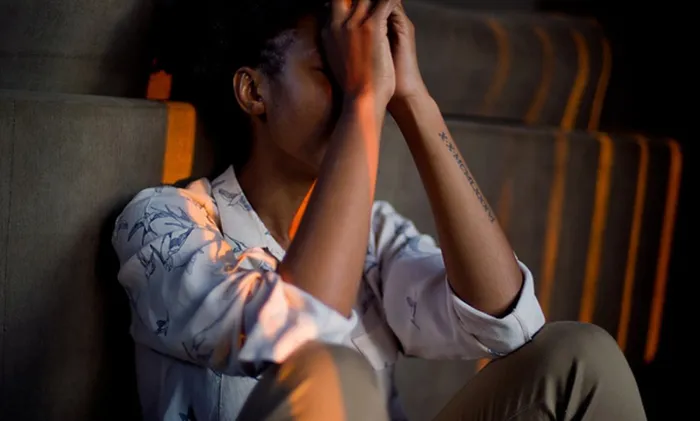
According to Sadag, children do not always have access to the support they need.
Image: File photo
The South African Depression and Anxiety Group (Sadag) is challenging parents to move from reacting in crisis, to being proactive and helping their children combat depression that leads to suicide.
This year’s theme for Teen Suicide Prevention Week – observed from February 8 to 14 - was "We Hear You – Silalele".
The Sadag's project manager for education, Roshni Parbhoo-Seetha, said "silalele" meant "we are listening", and that is “really the heart of prevention”.
“So many teens tell us they do not feel heard at home, school or even by their peers. Prevention does not start in a crisis. It starts with listening early, listening properly, and listening without judgement.
“Teen suicide is one of the leading causes of death among young people, and sadly, we see how serious it is through our helplines and school outreach work. We hear from teens who are overwhelmed, anxious, depressed, struggling with self-harm, or having suicidal thoughts. A lot of them say things like, ‘I cannot cope any more’, or ‘I feel like no one understands'.
“What stands out is that many of them have been struggling quietly for a long time before anyone notices. The warning signs are often there but they are missed, dismissed or misunderstood.
“Their reasons are usually a mix of things, such as untreated depression, academic pressure, bullying (especially online), family conflict, trauma, identity struggles and feeling isolated,” she added.
Parbhoo-Seetha said children did not always have access to the support they needed.
“Some teens are lucky to have supportive parents or schools, but many tell us they do not feel safe opening up. There is still stigma around mental health, and sometimes adults unintentionally minimise what teens are going through.
“There has been an increase in teens with gender or sexuality issues attempting or threatening suicide. We see that teens who are navigating challenges related to gender identity or sexual orientation are particularly vulnerable, especially when they experience rejection, bullying or silence.
“From our helpline conversations, many of these young people feel isolated and misunderstood. When a teen feels they cannot be themselves safely, that significantly increases emotional distress.
“The Sadag provides non-judgemental, confidential support to every caller. Our focus is always on safety, emotional validation, and helping them find appropriate care and support.
“In some communities and schools, teens are supported and affirmed. In others, stigma and misunderstanding still exist. Access to affirming mental health professionals can also depend on where a teen lives and what resources are available. The biggest protective factor we see is one accepting adult. Just one.
“Unfortunately, stigma is still a major barrier. Fear of judgement, shame or rejection can stop teens from opening up, not just about their identity, but about their mental health too. Silence increases risk. Listening reduces it,” Parbhoo-Seetha added.
She said the rate of teen suicides could be curbed with ongoing education, open dialogue and inclusive environments.
“Schools need strong anti-bullying policies. Communities need to normalise mental health support. Most importantly, we need to keep reminding young people they are not alone.
“Support does exist, but it is not always easy to access. The Sadag offers free helplines via WhatsApp support, counselling referrals, and school outreach programmes. But barriers remain: not knowing where to go, being scared of being judged, financial limitations, or simply not feeling comfortable asking for help. Sometimes prevention is as simple (and as powerful) as one adult saying, ‘I’m here. Talk to me'," said Parbhoo-Seetha.
Adeshini Naicker, director of Childline KZN, said they had also noted an increase in calls from teenagers experiencing severe emotional distress, depression, anxiety, bullying, family conflict and feelings of hopelessness.
“Factors contributing to teen suicide include bullying (in person and online), academic pressure and fear of failure, family conflict, abuse or neglect, poverty and food insecurity.
“Trauma and violence, mental health challenges such as depression and anxiety, and confusion or rejection related to identity, including gender and sexuality, are also factors that contribute to teen suicide.
“Many teens do not feel they have enough support. Mental health services are limited, school counsellors are often overstretched, and families may not always recognise warning signs. This leaves many teens feeling alone with their pain,” Naicker added.
She said prevention required a collective effort of teaching young people emotional coping skills, ensuring access to counselling and safe spaces, strengthening family communication, and addressing bullying and violence in schools.
“There is currently not enough specialised and accessible support for teens dealing with gender and sexuality concerns. Many young people fear rejection by their families, peers or faith communities, which makes them reluctant to seek help.
“Stigma remains a major barrier. Teens who question or disclose their gender or sexuality often face bullying, discrimination or silence. This stigma can lead to isolation, shame, fear of seeking help, and increased risk of depression and suicide
“Teen suicide is preventable. With the right support, understanding and access to help, young people can move from despair to hope. Childline remains committed to protecting the emotional well-being of every child, regardless of background, gender or sexuality,” Naicker said.