
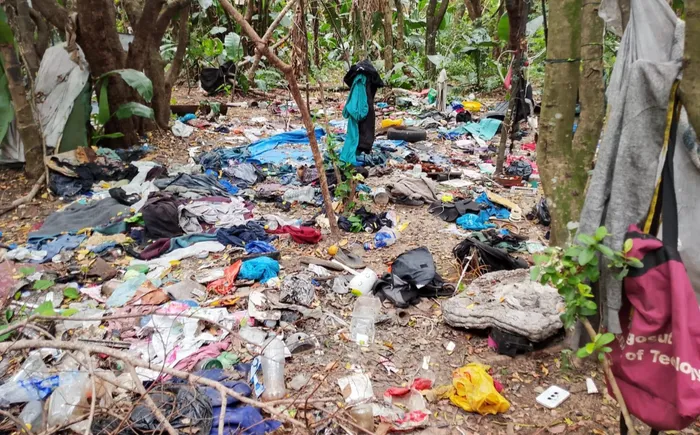
Illegal dumping.
Image: Supplied
RESIDENTS of Richards Bay are raising urgent concerns over deteriorating infrastructure, environmental degradation and rising crime, calling for immediate intervention from the uMhlathuze Local Municipality and national government.
Together with the Concerned Residents Civic Association (CRCA), they said years of poor maintenance, rapid population pressures and increasing vandalism had pushed key services such as water supply, electricity infrastructure and environmental management to a breaking point.
CRCA founding director Jéan Gerber said the city’s ageing water infrastructure had been neglected for more than a decade, and placed several pump stations under significant pressure.
He said at a CRCA’s public meeting last month, deputy mayor Christo Botha had introduced a contractor tasked with resolving the problem, to them.
“Joffie Visser, the owner of Samco Pumps, has been awarded the contract to fix the pump stations and to fix the poor water pressure Richards Bay is experiencing,” Gerber said.
He added that suburbs such as Birdswood and Meerensee had been hardest hit.
Gerber said the city was now awaiting the outcome of a full technical assessment.
Gerber said while Richards Bay’s electricity system remained relatively stable, vandalism and cable theft was a major threat.
He said the city recently invested more than R2 million in new equipment to detect electrical faults more quickly.
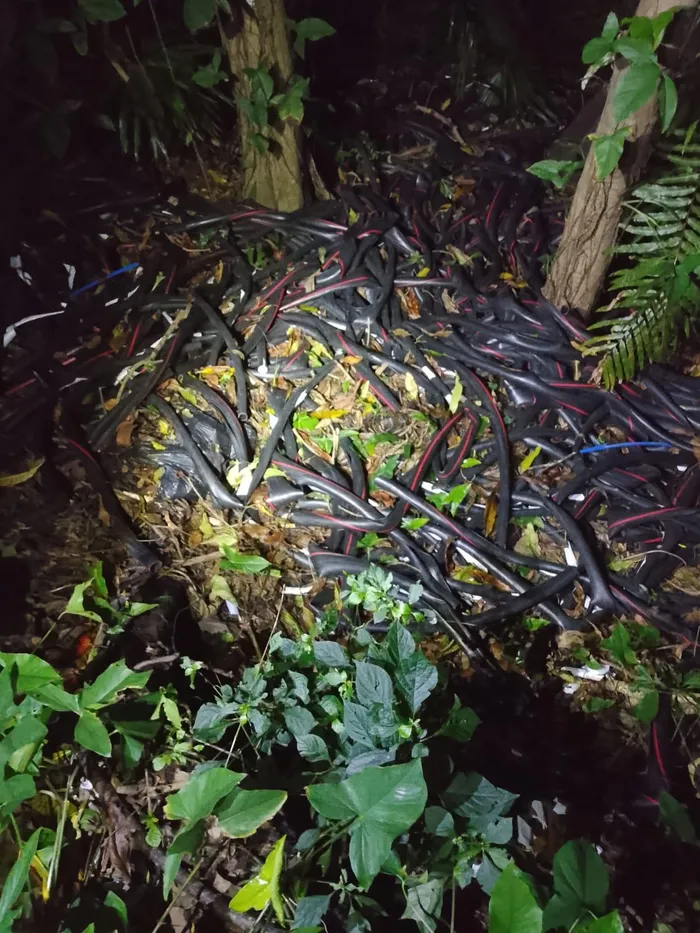
Stolen electrical cables.
Image: Supplied
Environmental degradation in the city’s greenbelt areas was another major concern, with residents reporting growing informal settlements and illegal dumping.
Gerber said the CRCA had been highlighting the issue for months.
“The number of vagrants pouring into the city is getting out of control, and they are squatting on every possible stretch of greenbelt,” he said.
He estimated that about 4,000 people could currently be living in camps within the city’s greenbelt areas.
“The greenbelts are the perfect hiding place for criminals, and this is exactly what they are currently being used for. Some of these camps house an estimated 700 residents.”
Gerber said the environmental damage and littering had turned a once pristine natural area into a security risk.
“It is depressing to go into these once beautiful greenbelts and find heaps of building material thrown everywhere, and garbage left by vagrants and trolley pushers,” he said.
The CRCA proposed that the greenbelt areas be declared ecological reserves.
“I believe these greenbelts are worthy of protection, and could become eco treasures and a source of income to the city as tourist attractions,” he added.
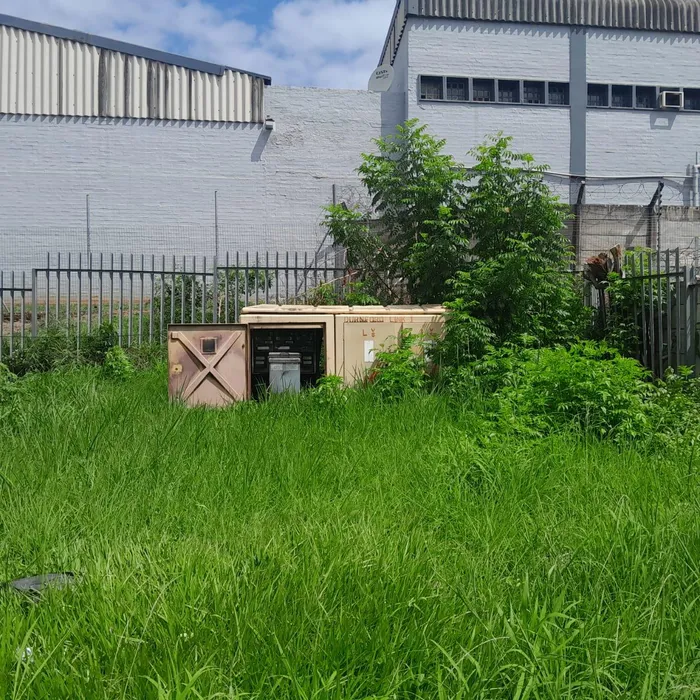
Overgrown grass and vandalised sub-stations.
Image: Supplied
Gerber also warned that drug abuse and homelessness had escalated dramatically in recent years.
He believes that some of the large informal camps may also serve as distribution points for narcotics.
“Drugs are becoming increasingly available and more addictive. Richards Bay is no different and the problem has reached a point where serious intervention is needed by the authorities.”
Several residents echoed concerns about deteriorating infrastructure and municipal accountability.
Ray Brauns, a 44-year-old machinist from Veldenvlei who has lived in Richards Bay for 17 years, said the town had deteriorated significantly.
“Richards Bay is just like every other town in Zululand. It has fallen apart,” Brauns said.
He alleged corruption and poor oversight within municipal departments.
“There are no by-laws in these towns. Foreigners and street vendors just open pop-up shops and sell anything, while businesses paying rent struggle to survive,” he said.
Brauns also criticised infrastructure maintenance.
“There is no maintenance done on anything. Sometimes the grass grows so high it is almost on the road. Bins do not get collected on time, and people pay private guys to dump their rubbish. The street lights on Bullion Boulevard do not work. At the rank there are no lights. At Peseta Parade and Rupee Rif, street lights have not worked for years. We are losing our beautiful town.”
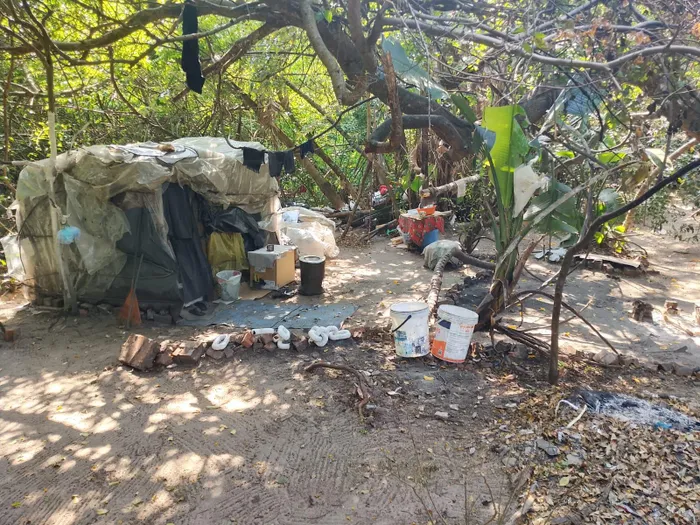
Homeless people living in different areas.
Image: Supplied
For some residents, environmental issues linked to industry and logistics are equally concerning.
Summaya Mohamed, 40, from Arboretum, said coal dust pollution, truck congestion and ageing infrastructure were major daily challenges.
“Coal dust settles on cars, homes, gardens and even wildlife daily. Many residents suffer respiratory and sinus problems.”
She said water outages could last for months in some areas.
“Old infrastructure is failing. One of the main ones is the sewerage system with its constant blockages and overflowing. Water supply failures in some areas result in outages lasting up to three months. This is caused by ageing infrastructure, high industrial demand, and failing pump stations. This includes the white elephant desalination plant that was built,” she said.
Heavy truck traffic linked to coal transport has also placed strain on roads.
“Truck queues stretch along the N2 and R34 because the rail system isn’t functioning properly. This leads to road damage, delays and safety risks.”
She said multiple suburbs experienced planned and unplanned power outages due to failure of equipment, the infamous “spoeg and plak” repairs undertaken, the latest being outages last week for up to 36 hours.
“There is a lack of equipment to test and find faults. Cable repairs on ring lines are done to such an extent that switchovers can no longer be done due to so many repairs on the cables. Electricity cuts occur during scheduled maintenance and emergency situations. People dread rain and lightning for fear of outages, and we have power banks and other emergency back-ups. We need a municipality that communicates openly and prioritises residents’ well-being,” she said.
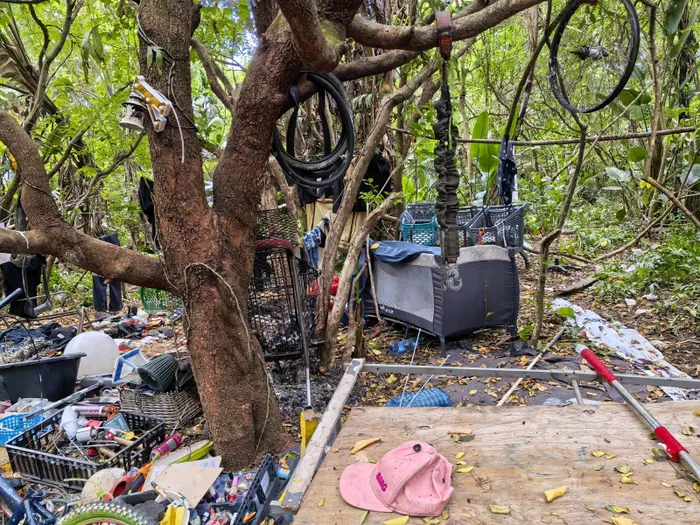
Homelessness, illegal dumping and drugs plague areas in Richards Bay.
Image: Supplied
Lamia Taahira Razak, 35, from Arboretum, said residents were increasingly worried about both crime and service delivery.
“Crime and vandalism of our municipal utilities have increased at an exponential rate because of the growing population of homelessness and thieves,” she said.
Razaknoted that power outages caused by vandalism lasted for days.
“Three substations were recently vandalised to such an extent that Richards Bay had no electricity for three days in a row.”
Razak also pointed to safety risks from non-functioning street lights.
“There have been casualties where pedestrians were killed because motorists could not see them at night due to inoperable streetlights.”
Having no electricity has become the norm for them.
“We go about our business and continue regardless. When there is no electricity, we resort to alternatives or for some of us that means nothing at all. Traffic lights do not work which causes delays on the road. The drainage systems stop working. That creates water puddles on the roads, making them dangerous to motorists.
“There are many street lights that are not operable. Every day people who are walking home from work, risk getting run over. There have been two casualties in the past few weeks.”
They are not able to run or walk safely in their own community.
“Once in a while, there will be a public announcement for scheduled electrical maintenance but that is about it. I would love to see our local government working together for the betterment of our community as a whole. I do not feel safe in the area I live in, and there are particular crimes that affect the residents. Richards Bay should be a safer, cleaner city that functions to its best ability with the involvement of all our community members and local government,” said Razak.
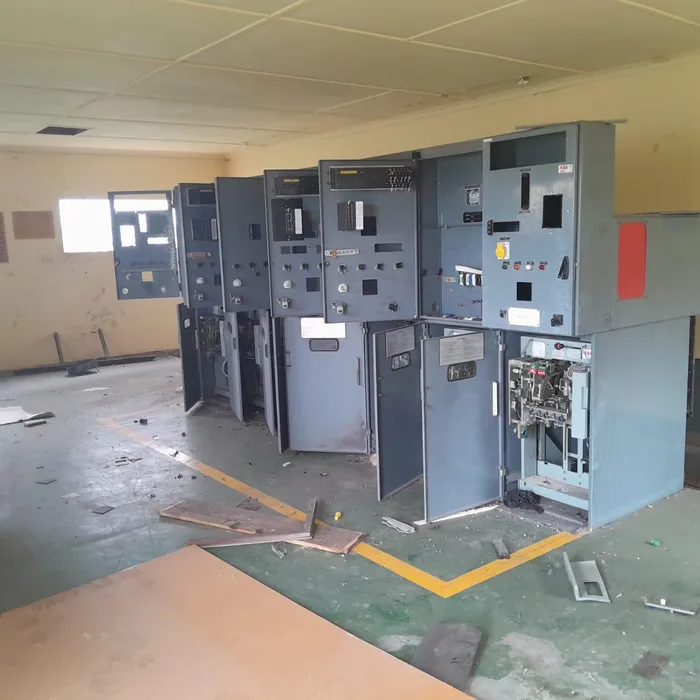
Vandalised municipal utilities.
Image: Supplied
Despite the challenges, some residents remain hopeful that stronger community organisation and co-operation with authorities could bring change.
Bala Naidoo, 68, a pensioner from Brackenham who has lived in Richards Bay for 35 years, said progress was possible.
“Changes are in progress with the founding of the CRCA group, and under the leadership of Jean we will see much more progress for the community of Richards Bay,” Naidoo said.
Gerber believes collective action is key.
“The community, business sector and the municipality all need to work together as one team to bring our city back to its original status,” he said.
He urged residents to participate in civic processes.
“It is difficult at times. As a pensioner, some relief will be great, by reducing rates, water and electricity costs especially since many times we have no water or electricity. This is why it is so important for the community to register and vote in the elections. Proper control just needs to be enforced and maintained again.”
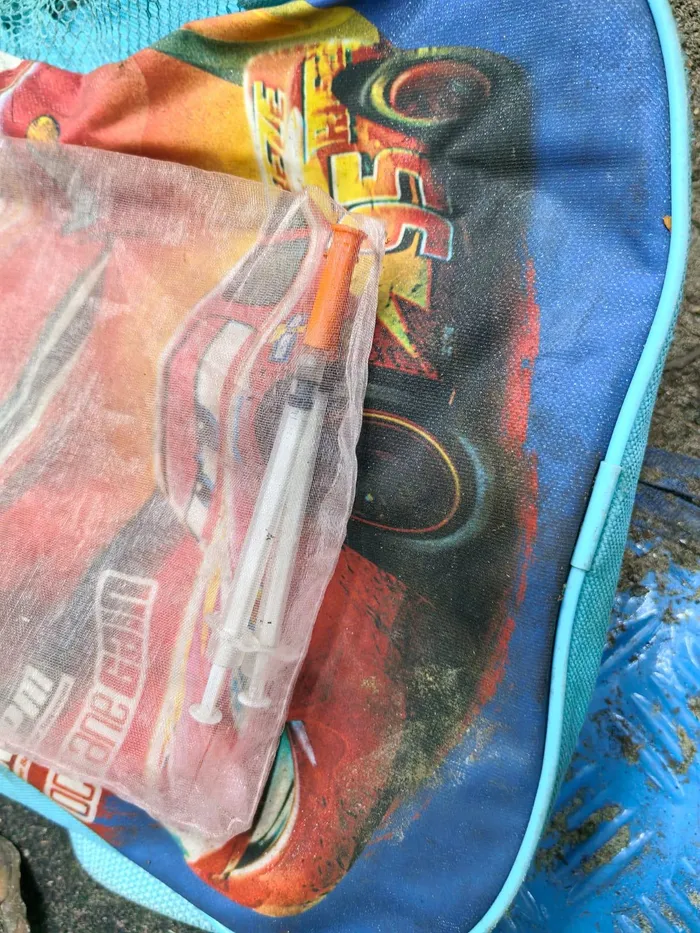
Drugs found.
Image: Supplied
Chase Arthur Gavin Farr, 24, from Meerensee, said crime and lawlessness remained the biggest challenges in the area.
“Crime, lawlessness and vagrants are our biggest challenges. Richards Bay greenbelts have been destroyed due to the influx of vagrants who set up camps. It is a huge health and safety risk the way these vagrants live. Some are not there by choice and have genuinely fallen on hard times but for others it is a way of life,” said Farr.
He added that community members often relied on private security.
“I believe security is supposed to be a top priority from the municipality and not just an afterthought. Where police fail the community, security companies and local CPF groups go above and beyond to protect what they love – Richards Bay. The city has a security company serving the area and they are doing a great job. However, they cannot do it alone. I would love to see accountability for those damaging and destroying our city,” he said.