

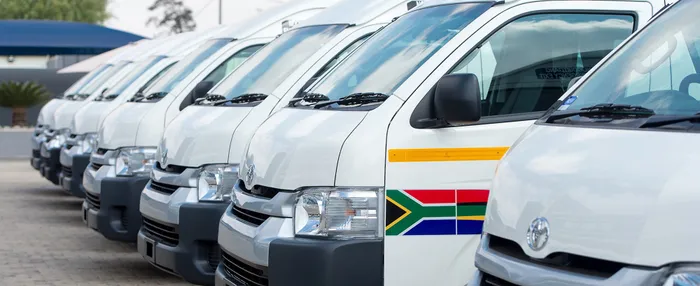
WITH petrol prices set to increase significantly, SANTACO warns that taxi fares may rise, impacting South African households already burdened by transport costs.
Image: File
WITH petrol prices set to increase significantly, SANTACO warns that taxi fares may rise, impacting South African households already burdened by transport costs
Petrol prices are expected to increase by up to R5 per litre and diesel by more than R10 from April 1, driven by higher international oil prices, a weaker rand, and tax levies. The price increases are a result of the ongoing war in the Middle East, which has pushed Brent crude prices up by around 38% since last month.
In an interview, IOL spoke to SANTACO spokesperson Rebecca Phala, who said the organisation was already contemplating increasing taxi fares to help operators cope with the rising costs.
She noted that while SANTACO provides ongoing guidance on key considerations when reviewing fares, the authority to decide on the timing and extent of fare adjustments rests with individual taxi associations affiliated with the organisation.
Phala also revealed that "some associations have already implemented increases, while others are in the process of finalising their decisions".
"Yes, we are. The anticipated fuel price increases, coupled with concerns around supply constraints and early price adjustments at some petrol stations, are already placing significant pressure on the taxi industry. As a result, many taxi associations are being compelled to consider fare adjustments," Phala said.
"It is important to note that taxi fares are not determined by fuel prices alone, but by a range of operational factors, inclusive of vehicle instalment costs, admin costs, vehicle maintenance, and business growth prospects. Given the current urgency and prevailing economic conditions, fare increases have become necessary for associations to sustain their operations".
The increase could come as a huge blow to many households. According to the Household Affordability Index compiled by Pietermaritzburg Economic Justice and Dignity (PMBEJD), transport already consumes around 58% of the average worker’s monthly wage.
"The taxi industry operates without direct government subsidies and relies primarily on fare revenue to sustain its operations. This limits the ability to implement differentiated pricing or targeted relief measures for specific income groups." Phala said.
She added they were mindful of the financial pressures faced by commuters and aimed to introduce fare adjustments in a way that did not significantly deter usage, as affordability remains critical for both commuters and the sustainability of the industry".
She said: "SANTACO’s internal structures (Provincial structures, regional structures and association level structures) are already actively engaging on these matters".
"Once decisions are finalised, member associations will communicate fare adjustments directly to commuters through established channels, including notice boards in vehicles, at taxi ranks and official social media platforms".