

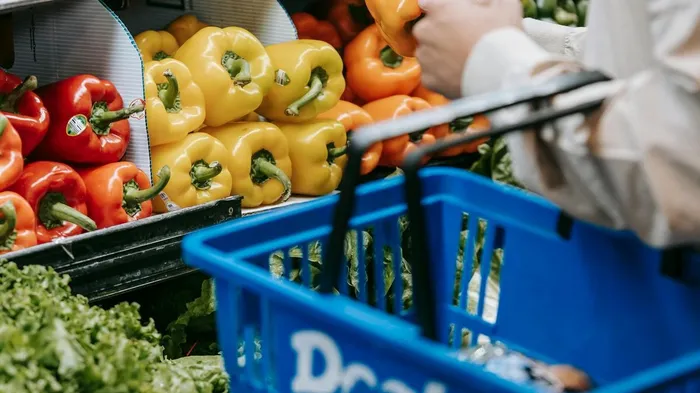
A food shocker is in the pipeline as diesel goes up.
Image: Pezels
ALREADY cash-strapped families are grappling with the rising cost of living as fuel prices soar, forcing them to make difficult choices about budgeting, food and education.
For many, the impact is being felt most sharply at the grocery store.
Cassidy Chetty, 45, from Phoenix, said her in household – made up of two working parents and two schoolchildren – they had to significantly adjust their spending habits in recent months.
“We have definitely started feeling the pinch in these past few months. Every time we go to the grocery store, the same items cost more, and we are buying less. We used to do one big shop, but now we split it, buying only essentials and stretching things like rice, pasta and canned foods over more meals.”
With the fuel prices set to increase again, Chetty said transport costs were another concern.
“With the fuel price going up again, it is another worry. My husband drives to work every day, and I use the car for school drop-offs and errands. We started planning routes better and doing everything in one trip instead of multiple drives. Some days, we are even considering lift-sharing with a neighbour,” she said.
Although school fees remain unchanged, the associated costs continue to rise.
“School fees have not changed, but everything else around it has. Lunchboxes, transport and uniforms add up. We have had to cut back on extras like takeaways and weekend outings. The kids understand, but it is not easy,” she said.
Chetty added that financial discipline had become essential to staying afloat.
“We are just trying to be more disciplined. Budgeting has become stricter, and we write everything down now. Our income has not increased, so it is about adjusting our lifestyle. It feels like we are constantly balancing, hoping nothing unexpected comes up.”
In Asherville, Roy Naidoo, 38, who supports a household of three children on a single income, said the rising cost of food had been particularly difficult.
“It is getting harder every month. Food is the biggest challenge. We used to buy meat more often, but now it is maybe once or twice a month. The rest of the time, we cook meals that can last longer, like stews and beans.”
Transport costs, driven by fuel price hikes, also directly impacts on his family.
“We rely on taxis, and when fuel prices go up, fares go up too. That affects everything like getting to work and taking the children to school. Sometimes the older ones have to walk if we are short on money that week,” Naidoo said.
Despite the challenges, he continues to prioritise his children’s education.
“School fees are always a priority, but it is stressful. We try to pay something every month, even if it is not the full amount. Communication with the school helps, but the pressure is always there,” he said.
To ease the burden, Naidoo has turned to small-scale home gardening and cutting non-essential spending.
“We have started growing a few vegetables at home like spinach and tomatoes, to save a little. It does not cover everything, but it helps. We have also cut out anything that is not essential. No snacks, no treats unless it is a special occasion,” he said.
“We just keep going, one month at a time. You learn to stretch what you have, but it is tiring. The hardest part is knowing your income stays the same, but everything else keeps going up.”
For Shenay Singh, 32, a single parent of two from Verulam, the rising cost of living has forced constant adjustments to daily life.
“I cannot ignore how much things have changed. Every time I go to the shop, the prices are higher than the week before. Food that used to last us a full week, barely stretches now.”
She added that rising fuel costs had a ripple effect across all expenses.
“With fuel prices expected to rise again, I know it is not just petrol that will cost more – transport, groceries, even basic services will all go up. On the same salary, it feels like I am constantly trying to stretch less money across more needs.”
Singh said strict budgeting and careful planning had become essential.
“To cope, I have had to become stricter with how we spend. Food comes first, but even that has changed. We buy only essentials now. I plan meals carefully, choosing cheaper options that can last longer. Sometimes that means repeating meals or cutting down on portions so everyone gets something,” she explained.
Like many parents, she is determined to keep up with school expenses despite financial strain.
“I refuse to compromise on school fees easily, because I know education is important for my children's future. But it is not easy. If things get tighter, I may have to speak to the school about payment arrangements, because falling behind is a real fear.”
Transport and utilities remain ongoing challenges.
“With fuel going up, getting to work and taking my children where they need to be, becomes more expensive. I try to limit trips, combine errands, and use cheaper transport options where possible,” Singh said.
“Then there are the utility bills, water and electricity. What makes it harder is paying for water even when there are days we do not have any. It is frustrating, but the bills still have to be paid. We have learnt to use less. We store water when it is available, reuse where we can, and cut down electricity by switching off everything that is not needed.”
Despite the mounting pressures, Singh said resilience was key.
“As a parent, you do not really have the option to give up. You adjust, you prioritise, and you keep going. You make sure your children are fed, that they can go to school, and that there is at least some stability, even when things feel uncertain,” she said.
“It is not easy, and it takes constant planning and sacrifice. But it is the only way to cope when the cost of living keeps rising, and your income stays the same,” said Singh.
A food shocker is in the pipeline as diesel goes up.
Image: Pezels
A food shocker is in the pipeline as diesel goes up.
Image: Pezels