

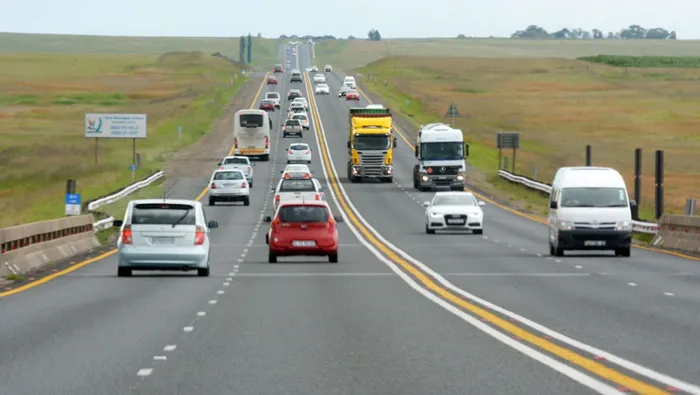
Motorists are urged to prepare for heavy traffic and changing weather conditions on the N3 Toll Route as the Easter weekend comes to a close.
Image: Independent Newspapers Archives
Motorists are urged to prepare for heavy traffic and changing weather conditions on the N3 Toll Route as the Easter weekend comes to a close.
With thousands set to embark on their return journeys, motorists need to remain vigilant and prepared for various challenges over the upcoming days.
Thania Dhoogra, chief operating officer of N3 Toll Concession (N3TC), which oversees the vital route connecting Cedara in KwaZulu-Natal to Heidelberg in Gauteng, emphasises the potential hazards.
“We encourage motorists to be prepared for changing travel conditions and to allow sufficient travel time for possible delays or emergencies,” she explains.
“Demands on drivers increase as traffic volumes rise, especially after long hours on the road when fatigue sets in, or as darkness falls.”
With traffic volumes expected to surge, particularly on Monday, 6 April, and continuing into Tuesday, road users should brace for potential slow-moving conditions. It is predicted that between 1,500 and 2,500 vehicles per hour will flood the route.
Though the majority of the traffic will head towards Gauteng, substantial flows may also be observed towards KwaZulu-Natal.
Dhoogra highlights that the N3 Toll Route has seen a disturbing trend of accidents largely attributed to driver error and negligence. Data from 2025 reveals that a staggering 83% of light motor vehicle crashes and 80% of heavy motor vehicle crashes were linked to human mistakes.
The most concerning incidents include single-vehicle crashes, head-on collisions often caused by risky overtaking manoeuvres, and multi-vehicle accidents during busy periods.
“The impact in head-on crashes and the severity of injuries sustained are often fatal or life-altering,” says Dhoogra, urging road users to exercise caution.
Increased volumes of public transport, leisure travellers, and freight vehicles are anticipated, which demand that motorists adjust their driving behavior accordingly, especially regarding speed differentials.
Heavy motor vehicles, for instance, are legally restricted to speeds of 80 km/h, while public transport is capped at 100 km/h, subject to sign-posted limits.
Dhoogra strongly advocates for safe driving practices.
“It is unsafe to cut in front of heavy vehicles, as sudden braking could lead to loss of control or jack-knifing. Maintaining a safe following distance is critical, particularly as truck drivers cannot see cars traveling too closely behind them due to blind spots.”
A few safety measures can significantly enhance driver safety on the N3: maintaining a safe following distance, adhering to speed limits, avoiding overtaking on blind rises or solid lines, steering clear of distractions, remaining sober and alert, and exercising patience.
“High-risk behaviour and poor judgement carry severe consequences, often resulting in physical, emotional, and financial trauma,” warns Dhoogra.
To help mitigate risks during this peak travel season, N3TC has deployed additional road safety and emergency resources and is working closely with its road incident management system (RIMS) partners. They remain on high alert to assist road users and enhance safety along the route.
Authorities may also implement special traffic control measures to ease congestion, particularly around Van Reenen Pass, should conditions necessitate. Motorists are reminded that proactive planning can make all the difference in ensuring a safe and smooth journey.