

A Johannesburg woman’s damages claim after falling into an open manhole will go ahead after the Gauteng High Court blocked the City of Johannesburg’s attempt to shut it down on a technicality.
Image: ChatGPT
A Johannesburg woman’s damages claim after falling into an open manhole will go ahead after the Gauteng High Court blocked the City of Johannesburg’s attempt to shut it down on a technicality.
The ruling puts the spotlight on the city’s responsibility to maintain basic infrastructure, with the court finding it would be unjust to derail the case over a late filing.
The City argued that a key document, filed 402 days late, should be struck out because the plaintiff had already been barred under court rules.
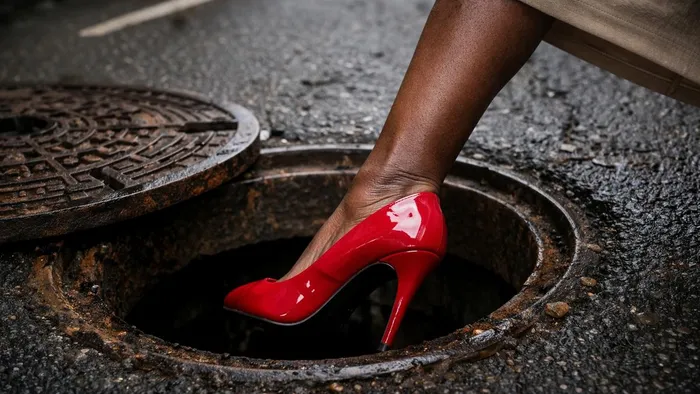
Motlolisi Rosinah is suing for damages after she was injured on 17 November 2022 when she fell into an open manhole in Jeppestown, Johannesburg. She claims the City, or its employees or agents, failed in its duty to ensure that public infrastructure was safe for road users.
The City, in its defence, said its duty of care depends on factors such as whether it was notified of defects, how repairs are prioritised, and the availability of resources.
After missing the 15-day deadline to respond to the City’s plea, the plaintiff became automatically barred but later filed the document without first applying to lift that bar. This prompted the City to bring a formal application to have the filing declared irregular and removed from the record.
The court accepted that the step was procedurally flawed, but found the delay was explained by conflicting legal advice on whether the document was necessary as well as an advocate becoming “unavailable due to other commitments”.
It said the plaintiff’s legal team acted once new counsel advised that the filing should be made. “In this instance, the delay was attributable to differing perspectives between the two counsels,” the ruling reads.
Crucially, the court found the City would suffer no real prejudice, as the document did not introduce new issues, while refusing condonation could effectively kill the claim. It also pointed to the plaintiff’s prospects of success in a case centred on whether the City failed to maintain infrastructure under its control.
“The interest of justice dictates that condonation should be granted,” the court said. “The respondent's [Rosinah’s] claim is clearly founded on delict in that she sustained injuries from falling into a manhole, approximately one foot deep and one foot wide,” it added.
The application to strike out the filing was dismissed, allowing the damages claim to proceed, with costs to be decided in the main action.