

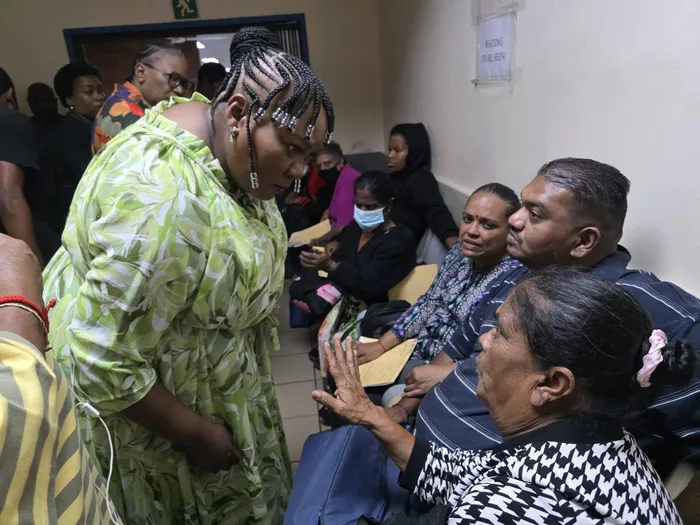
MEC Nomagugu Simelane listens to patient feedback as part of her commitment to improving healthcare services at Mahatma Gandhi Memorial Hospital
Image: KwaZulu-Natal Department of Health
THE KwaZulu-Natal Department of Health is taking action to reduce long waiting times and improve service delivery at Mahatma Gandhi Memorial Hospital, following an unannounced visit by MEC Nomagugu Simelane last last week.
According to the department, early signs show that new plans are already easing bottlenecks, but some challenges remain.
“I will not rest until this hospital gets it right,” Simelane said.
The department said that people offered solutions and gave input as they want systems that work.
“Our patients are not unreasonable. They simply want to be communicated with when there are bottlenecks, not to be left unattended or in the dark, and service that is up to standard,” the department said.
“The number one complaint remains waiting time,” the department said.
Meanwhile, the department said a special exco was convened at the hospital to accommodate health facilities from the northern subdistrict of eThekwini. This region has the highest population burden, often resulting in long queues and service delivery challenges.
Chief executive officers and chief financial officers from hospitals in the region, including KwaMashu, appeared before the executive to present their turnaround strategies, detailing exactly what they are doing to improve service delivery and resolve persistent bottlenecks.
In January, at the same hospital for an oversight visit, Simelane said they decided to spend a lot of time in their facilities (hospitals, community health centres and clinics). Where there are challenges, and they are not being resolved, they will set up shop there until they are resolved. Their focus for 2026 is enhanced service delivery and improving the service they render to the public.
She said that long waiting times in high-volume sections, particularly patient registration and card areas, are receiving focused attention, noting that these delays are frequently caused by staff shortages and inefficient systems, rather than solely poor performance.