

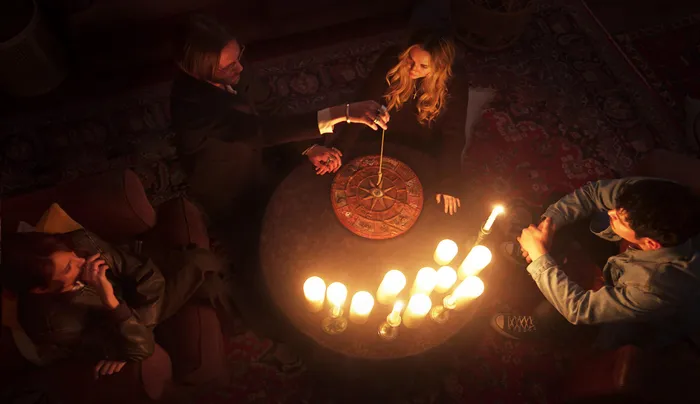
There are individuals who present themselves as spiritualists, healers, or intermediaries of divine or supernatural forces; and who make claims that they can provide luck, protection and wealth; or even cause harm through so-called ‘dark forces’.
Image: Supplied
The Cultural, Religious and Linguistic Rights (CRL) Commission is calling for more interdisciplinary research to better understand and address the issue of fake spiritualists, while protecting legitimate religious freedom.
Commissioner Dr Rajendran Govender said in South Africa, certain categories such as traditional healers fell under regulatory frameworks.
However, he noted many individuals who identified as spiritualists operated independently, without formal oversight or accountability, creating space for both genuine practice and potential abuse.
“South Africa is a deeply spiritual society, enriched by diverse religious and cultural traditions. Within this landscape, there are individuals who misuse religion and spirituality to exploit vulnerable people. It is important to state upfront that the problem is not religion itself, but the abuse of belief systems for personal gain.
“There are individuals who present themselves as spiritualists, healers, or intermediaries of divine or supernatural forces; and who make claims that they can provide luck, protection and wealth; or even cause harm through so-called ‘dark forces’.
“These claims are often used to instil fear and extract money from vulnerable individuals. While such cases must always be assessed on evidence, the pattern of exploitation through fear and false promises is a matter of concern” he added.
Govender said the term “spiritualist” was broad, and not formally standardised.
He said it could refer to individuals who claim spiritual insight, healing abilities, ancestral connections, or ritual authority.
“In many communities, genuine spiritual practitioners are respected, and play important cultural or pastoral roles. However, where spirituality becomes commercialised and coercive, public trust is eroded.
“There have been cases where individuals have been misled into paying large sums of money for spiritual services or protection. This is concerning as it targets people dealing with illness, grief or financial hardship.
“Warning signs include fear tactics, urgent demands for money, escalating costs, promises of guaranteed outcomes, and discouragement from seeking professional help. Faith should empower, not intimidate.
Across different contexts, patterns include commercialisation of prayer, promises of miracles for money, and manipulation of followers through fear. This is a cross-cutting issue affecting multiple communities,” added Govender.
He said vulnerability was the key driver, and people facing hardship sought hope and solutions in spiritualists, making them susceptible to exploitation.
He urged victims who were conned to report the spiritualist.
“Matters should be reported to the South African Police Service. Complaints may also be lodged with the National Consumer Commission. Where applicable, relevant regulatory bodies should be approached.
“There is research on beliefs around witchcraft and spiritual harm, but no scientific evidence supports claims of causing illness or death through supernatural means. However, the social and psychological effects are well documented.
“Freedom of religion is a fundamental right. However, it must never be used as a shield for exploitation. Faith should uplift and empower, not instil fear or extract undue financial gain,” Govender added.