

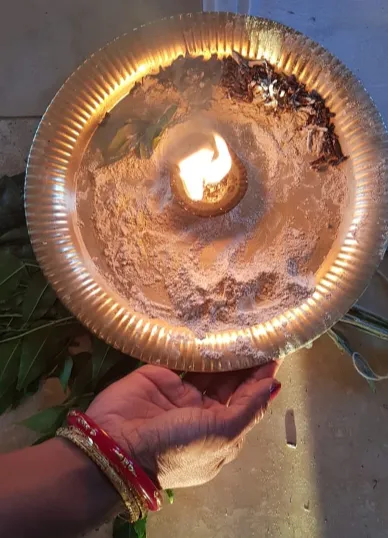
Dr Keresha Govender explores the alarming rise of fake spiritualists.
Image: File Photo
Dr Keresha Govender explores the alarming rise of fake spiritualists in the wake of the Covid-19 pandemic, highlighting the vulnerabilities that make communities susceptible to exploitation. She urges readers to be vigilant and to choose faith leaders wisely.
Understanding the dilemma of fake spiritualists has been an age-old challenge and this delves into unpacking power differentials. When anyone is given absolute power over all facets of your life, health, finance, career and success; then the considerations become suddenly outweighed.
Post-Covid-19, we have seen an insurgence of such blurred lines not just in South Africa, but globally.
In my research, I was quite disappointed that such occurrences have in most instances never become public knowledge, and thus their recurrence persists.
The Covid-19 pandemic has left a very palpable vulnerability among us that has touched the very core of our mortality. In our efforts to make sense of the sheer enormity and implications of it, many of us have turned to our faith.
This can prove to be a point of peace; or in the case of exploiters, an opportunity to prey upon those who are seeking for deeper meaning and understanding.
Faith predators are people who often had years to learn how to utilise people's fears and insecurities against them. This manipulation starts on smaller scales to test the tolerance levels of most, and gradually increases so as not to draw too much attention.
We must be cautious about them. Extreme cases have taught us about cults and their ability to reimagine the reality of their congregations. Most people are lured with the promise of either outlandish rewards or the sheer survival of their families, and deliverance to the afterlife.
These spiritual predators are often highly charismatic and convince you that you are one of the few chosen ones to receive their undivided benefit. They are strategic in the way they work their way into your lives, your family, your work and your finances.
They thrive on control; and it allows them to feed on your guilt and humaneness. We hear survivors of such predators talk about how comfortable they were made to feel; and that the predator became a part of their family; and knew all the details of their lives from insurance policies to future plans, and even their wills.
Discretionary information suddenly becomes common knowledge to someone whose intentions may be anything but sincere.
Survivors find themselves in these situations not because they are weak or uniformed, but merely because they are seeking for some deeper meaning, and to improve their quality of life.
People need to be more aware of safeguarding ourselves and our communities from such faith predators. Human vulnerability does not make you weak. But refusing to learn from our mistakes and those of others, leaves us open to being targets.
Faith is beautiful, and your journey to a purpose-driven life is more about looking inward than outward. People need to choose faith leaders who encourage them to do good rather than ones who temporarily make them feel good at a cost that is far too reaching.

Dr Keresha Govender
Image: Supplied
Dr Keresha Govender is a psychologist and wellness coach for the DSK Group, a non-profit organisation in the North Coast