


In recent weeks, four people died in separate drive-by shooting incidents in Phoenix and Chatsworth.
Image: File
DISPUTES in the tow-truck industry, drug organised crime networks and gang rivalry are believed to be some of the key drivers of drive-by shootings in Phoenix and Chatsworth.
In recent weeks, four people died in separate incidents in these areas.
Niven Naidoo, a criminologist, said drive-by shootings which resulted in murders pointed to a deeper, more complex criminal ecosystem.
“It extends beyond isolated incidents; and reflects the intersection of organised crime, economic competition, and weakened community intelligence networks.”
Naidoo said a driving factor behind the targeted killings was the infiltration of drug syndicates into transport-related industries.
“Sectors such as the taxi industry, private e-hailing services, tow trucking and logistics have become operational fronts for criminal activities. These industries offer mobility and cover, allowing individuals to move drugs, weapons and personnel under the guise of legitimate business operations.
“At the same time, these sectors often employ individuals with prior criminal records, including those on parole or previously convicted of violent and drug-related offences. While reintegration into the workforce is important, the lack of structured oversight in some cases has created environments where criminal networks can regroup and consolidate,” he said.
Naidoo said these industries then become spaces where organised crime actors congregated.
“Competition over territory, whether for towing zones, transport routes or service contracts, mirrors traditional gang turf wars. Violence, including 'assassinations', becomes a normalised method of resolving disputes and securing economic dominance of a territory.”

Niven Naidoo
Image: Supplied
He said drive-by shootings reflected tactical convenience and a shift in perpetrator profiles.
“Many of these attacks are carried out by younger, less experienced individuals attempting to prove themselves within gang hierarchies. These individuals are often recruited to demonstrate loyalty to the gang through acts of extreme violence. Due to limited experience and lack of formal training, they resort to methods perceived as quick and effective, like drive-by shootings.”
Naidoo said drive-by shootings significantly increased the risk of collateral damage.
“Unlike targeted attacks, drive-by shootings are unpredictable. Innocent bystanders, children, commuters, small business workers and residents are placed at extreme risk simply by being in the area. This elevates the threat from targeted violence to broader community terrorism.”
He said the breakdown of community intelligence was a barrier to successful investigations by law enforcement.
“Effective policing in these cases relies heavily on witness co-operation. Details such as vehicle descriptions, suspect identities and movement patterns are critical. However, communities affected by these crimes are often deeply fearful. The same individuals responsible for these shootings have demonstrated a willingness to kill publicly and indiscriminately.”
Naidoo said addressing drive-by shootings required a multilayered approach. This included strengthening intelligence networks, targeting leadership structures, industry oversight and regulation.
“The current surge in drive-by shootings is not random. It is symptomatic of organised criminal conflict playing out in public spaces. Unless the underlying networks, economic incentives and intelligence gaps are addressed, these incidents will continue to escalate, placing entire communities at risk.”
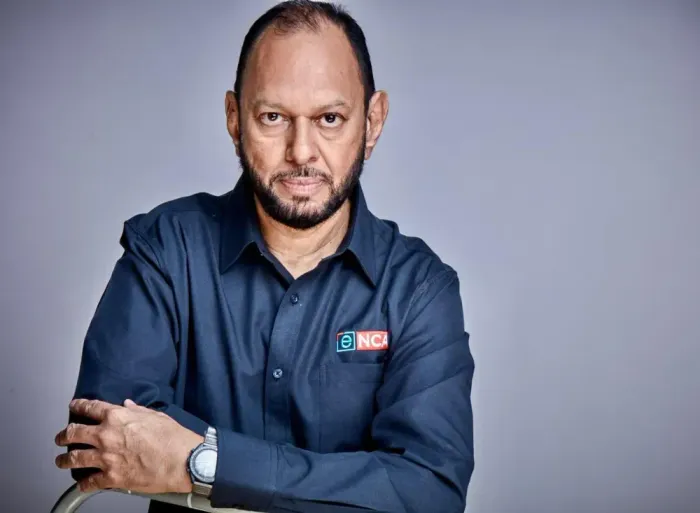
Yusuf Abramjee
Image: Supplied
Yusuf Abramjee, an anti-crime activist, said this was currently organised violence linked to profit and control.
He said in areas such as Phoenix and Chatsworth, disputes in the tow-truck industry, drug distribution networks, and gang rivalries were key drivers.
“These are not random acts. These are targeted hits meant to eliminate competition, settle scores, or enforce territory. The tow-truck sector, in particular, has a history of violent competition over accident scenes, while drug markets naturally breed conflict where no legal dispute mechanism exists.”
Abramjee said drive-by shootings offered speed, distance and a higher chance of escape.
“Perpetrators minimise direct confrontation and reduce the risk of being identified. In many cases, criminals use stolen or unregistered vehicles, and firearms circulate easily within their networks. It is an efficient method for hit-style killings – ‘quick in, quick out’ – especially in densely-populated urban areas where suspects can disappear quickly.”
He said intelligence gathering remained a weak point.
“These crimes are often carried out by organised groups that plan carefully, use intermediaries, and leave minimal evidence. Add community fear, low witness co-operation, and limited forensic follow-through to that, and cases stall.
“However, capable units exist within the South African Police Service, but they are stretched and sometimes reactive rather than proactive. Law enforcement needs to tighten both intelligence gathering and operational co-ordination.”
Abramjee said crime intelligence needed strengthening to infiltrate and map the networks behind the drive-by shootings.
“There is also a need for better integration between detectives, intelligence units and prosecutors; targeted interventions in high-risk industries like towing; more visible policing and rapid-response capacity in hot spots; and protecting and incentivising witnesses to come forward.
“At a broader level, this also requires political will and consistent oversight. Arrests alone won’t stop the cycle without dismantling the networks behind these killings,” he said.
Val Pillay, the interim chairperson of the Phoenix Community Police Forum (CPF), said the apparent frequency and brazenness of drive-by shootings in recent weeks suggested a troubling escalation that could not be ignored.
“Although not widespread across all areas, the concentration of these incidents in certain hot spots indicates a pattern that poses a real threat to public safety. The targeted nature of many attacks does not diminish the broader risk to innocent bystanders.”
Pillay said preliminary observations and community feedback suggested that drive-shootings might be linked to ongoing conflicts in the tow-truck industry.
“This industry has historically experienced disputes over territory and operations, and the psychological and social impact on residents is substantial.
“Communities are experiencing heightened fear and anxiety, particularly as these incidents often occur in residential areas. Even when attacks are targeted, the unpredictability of drive-by shootings places all residents at risk, undermining their safety and stability.
“While law enforcement has made efforts to address violent crime, there is a need for more visible policing, targeted intelligence-driven operations, and stronger collaboration with community structures,” she said.
Gareth Naidoo, spokesperson for KZN VIP, said that in an area like Phoenix, which is experiencing rapid population growth and expanding business activity, such incidents were not entirely unfamiliar.
“The community ultimately bears the greatest impact. In some instances, people sustain injuries or lose their lives by being in the wrong place at the wrong time. Criminal activity of this nature also undermines credible and healthy competition within the business sector.”
In a statement, the executive of the Chatsworth CPF, said there had been an increase in targeted drive-by incidents, many in public spaces.
It said the frequency and boldness of these attacks had significantly elevated community concern. They are no longer viewed as isolated incidents, but as a growing pattern requiring urgent attention.
They said while investigations were ongoing, many shootings appeared targeted and linked to underlying criminal networks, possibly connecting to disputes in the towing industry, as well as specific turf wars and elements of gangsterism.
“Residents are living with heightened anxiety and uncertainty, especially when shootings occur in broad daylight or near residential areas. Parents are concerned about the safety of their children, and there is a general sense of unease. While communities like Chatsworth remain resilient, fear is undeniably present, affecting daily life, movement, and the overall sense of safety.”
They added that law enforcement needed to intensify visible policing and intelligence-driven operations in identified hot spots.
“There should be stronger collaboration between the SAPS, metro police and community structures such as the CPF. Targeting the root causes – such as illegal firearms, drug distribution networks, and organised crime syndicates – is essential. Quicker response times, consistent patrols and community engagement initiatives can also help restore public confidence.”
THE KZN SAPS said they provided comment based on specific cases only.