

A few decades ago, a visible tattoo, facial piercing or untrimmed beard was often a fast track to having your CV thrown in the bin. Today, societal norms have shifted drastically. Walk into many modern offices and you will see tattoo sleeves, facial piercings and creative hairstyles.
Image: Files
A few decades ago, a visible tattoo, facial piercing or untrimmed beard was often a fast track to having your CV thrown in the bin. Today, societal norms have shifted drastically. Walk into many modern offices and you will see tattoo sleeves, facial piercings and creative hairstyles.
But what happens when modern self-expression collides with an old-school corporate dress code? Can your employer force you to shave? Can you be fired for getting a nose ring?
In South African labour law, workplace appearance involves a delicate balancing act between an employer’s right to run a business and an employee’s constitutional rights. Here is where the law draws the line.
Let’s clear up a common misconception: an employer is entitled to implement a dress code and grooming standards. Companies have a legitimate interest in projecting a professional image to clients.
If a policy states that employees must wear a uniform, closed shoes, or maintain a neat and professional appearance, employees are generally expected to comply. However, a dress code is not above the law and cannot override the Constitution or the Employment Equity Act (EEA).
This is where employers most frequently end up in the Labour Court. If an employee grows a beard or wears a specific hairstyle, such as dreadlocks, for deeply held religious or cultural reasons, a blanket “clean-shaven” or “short hair” policy could amount to unfair discrimination.
In the landmark case Department of Correctional Services v POPCRU, several prison warders were dismissed for refusing to cut their dreadlocks, which they wore for cultural and religious reasons. The Labour Appeal Court ruled that the dismissals were automatically unfair. The court found that the employees’ hairstyles did not negatively affect their ability to perform their duties safely.
If an employee’s appearance is linked to a protected ground under the EEA, such as religion, culture or gender, the employer must reasonably accommodate the employee unless doing so would create an insurmountable operational difficulty.
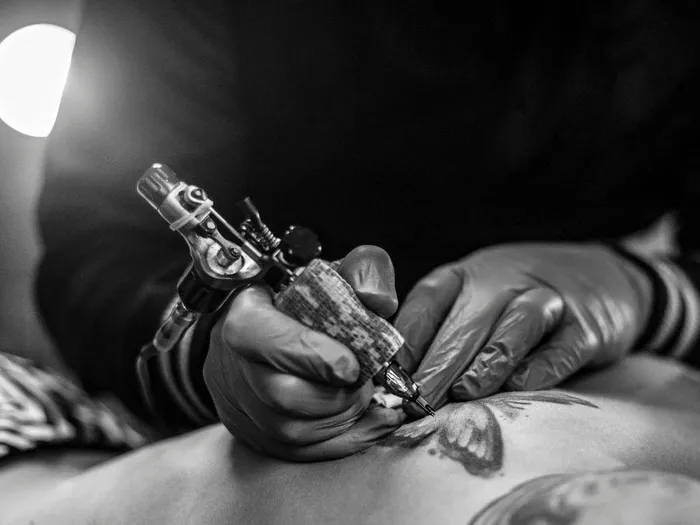
Unlike a religious beard, a tattoo or facial piercing is generally considered a lifestyle choice. Having tattoos is not a specifically protected ground under the EEA.
Instead, tattoos and piercings fall under the broader constitutional rights to freedom of expression and dignity. Because these protections are more general in nature, courts often give employers greater leeway to regulate them.
If a company policy states that tattoos must be covered during working hours, or that facial piercings must be removed while dealing with clients, the CCMA will generally regard this as a lawful and reasonable instruction.
Can you be fired for getting a tattoo? If the tattoo is offensive, such as one displaying racist or sexist imagery, the answer may be yes. However, where the tattoo is not offensive, an employer would likely struggle to justify dismissal unless the employee repeatedly refused to comply with a reasonable instruction to cover it while on duty.
There is one major exception to these rules. If an appearance standard is an inherent requirement of the job, the employer may enforce it even if it limits cultural or expressive rights.
For example:
In such cases, safety considerations outweigh personal expression.
If your employer introduces a strict grooming policy that infringes on your religious beliefs, or threatens disciplinary action over a tattoo that was never previously an issue, do not ignore the instruction or resign impulsively.
Instead, lodge a formal grievance and challenge the fairness of the policy through the appropriate internal processes.
Navigating the line between freedom of expression and insubordination can be legally complex. This is why proactive legal protection, such as membership with Legal Leaders Insurance, may be valuable. Before refusing a direct instruction from an employer, employees should seek legal advice to assess whether the dress code is lawful and whether their rights are being infringed.
Employees do not surrender their constitutional rights when they enter the workplace. However, they are also expected to act in good faith towards their employer’s operational and branding requirements.
Provided an employee’s appearance does not compromise workplace safety or violate a lawful and consistently applied dress code, personal appearance remains largely a matter of individual choice.
** Aslam Moolla is the founder and director of Legal Leaders and co-founder of Legal Leaders Insurance. He is a passionate labour lawyer with over 14 years of experience. Moolla and the Legal Leaders have become a prominent voice for workplace fairness and a commitment to ensuring every South African knows their rights and how to defend them.
***The views expressed here do not necessarily represent those of Independent Media or IOL.