

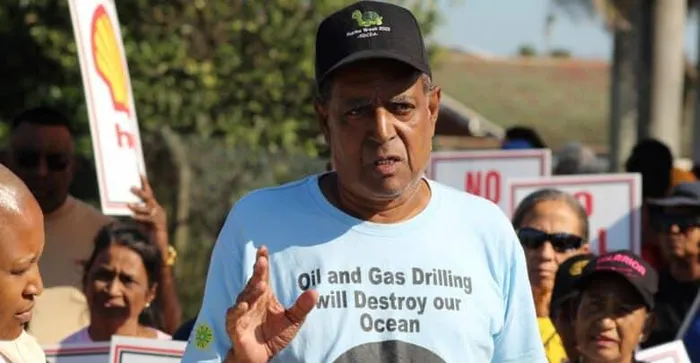
SDCEA was formed in 1995 by Desmond D’Sa as a direct response to the severe industrial pollution devastating the South Durban Basin.
Image: Supplied
FOR three decades, the South Durban Community Environmental Alliance (SDCEA) has fought against industrial pollution, challenged multinational corporations, and advocated for environmental justice.
SDCEA was formed in 1995 by Desmond D’Sa as a direct response to the severe industrial pollution devastating the South Durban Basin.
D’Sa said at the time, they publicly rejected an attempt by the Engen refinery to buy their silence in exchange for community project funding, firmly solidifying their role as community watchdogs who could not be co-opted.
From rejecting corporate buyouts to winning international recognition, this is the story of a community that refused to be silenced.
SDCEA’s achievements include:
1997
Through persistent campaigning and mobilisation, SDCEA successfully pressured authorities to close down the hazardous Waste-tech (EnviroServ) landfill in Isipingo. The alliance also took up the cause of workers suffering from mercury and chrome poisoning at the Bayer Lanxess chemical plants.
1999
In a strategic leap for evidence-based advocacy, SDCEA, in collaboration with GroundWork, introduced the "Bucket Brigade" to South Africa. This community-led air monitoring methodology empowered residents to collect their own air samples during industrial incidents, providing crucial evidence to hold polluters accountable.
2000
Following sustained public pressure, the Durban Point Plan (DPP) for environmental management was announced. However, intense industry lobbying saw the government weaken its commitments, backing away from a firm ban on dirty fuels and yielding mixed results from devolved environmental management.
2002
SDCEA's advocacy went global as they confronted Shell's CEOs and shareholders at their AGM in London over the refinery's toxic emissions. Domestically, they exposed the "Chrome-6 Scandal," revealing that Bayer Lanxess had contaminated the Merebank community with the carcinogen for over 40 years. Research they initiated also revealed cancer rates in South Durban were 24 times higher than national averages, leading to the establishment of "Cancer Alley" awareness walks.
2003
To solidify its structure and governance, SDCEA was formally registered as a non-profit organisation (NPO) under the South African NPO Act of 1997.
2005
The alliance continued its international advocacy, lobbying the British House of Commons to hold British multinational corporations Shell and BP accountable for their operations and environmental impact in South Africa.
2010
SDCEA protested the 2010 Soccer World Cup, arguing that vital municipal funds had been diverted from essential services like sanitation and water to build stadiums and tourist infrastructure, to the long-term detriment of local communities.
2011
The organisation helped establish a local branch of the Right2Know Campaign to promote transparency and combat state secrecy. A major explosion at the Engen refinery sent 150 children to the hospital, and over 18,000 residents marched during the COP17 climate talks, which SDCEA criticized as a "Conference of the Polluters."
2014
SDCEA's leadership was again recognised internationally when D’Sa was awarded the Goldman Environmental Prize for his successful campaign to shut down a toxic waste dump and delay the massive Durban port expansion.
2015
The legal and community battle against the proposed conversion of the Clairwood Racecourse into a container depot intensified, with SDCEA hosting community meetings and preparing for a judicial review.
2016
The organisation awaited the High Court's ruling on the Clairwood case while simultaneously launching a new campaign against millions of litres of toxic leachate from the EnviroServ landfill being discharged into the sea.
2018
SDCEA launched a sustained campaign against offshore oil and gas exploration, holding coastal awareness meetings and a public march. The alliance also intensified its independent air quality monitoring using its own "Tiger" monitor and engaged extensively in policy processes for the marine spatial planning and climate change bills.
2019
SDCEA achieved a key victory by submitting a comprehensive appeal against exploratory drilling by Sasol and ENI. They also launched a community cancer registry to document the health impacts of pollution and responded relentlessly to the Safripol gas leak that made over 1 700 people sick.
2020
Amid the COVID-19 lockdown, SDCEA pivoted to digital advocacy while securing a crucial victory by successfully lobbying the government to reopen subsistence fishing rights, protecting food security. The year was also marked by a catastrophic explosion at the Engen Refinery.
2021
SDCEA responded to the catastrophic fire at the UPL chemical warehouse during the July civil unrest. The alliance also helped lead the massive #ShellHell nationwide protests against seismic testing and celebrated a major victory when the Karpowership project was rejected. They expanded their reach by opening a satellite office in Richards Bay.
2022
Building a cohesive national movement, SDCEA hosted a national Oil and Gas Strategy Workshop. The alliance also advanced its "Just Transition" advocacy and celebrated the reopening of the Grunter Gully fishing spot for subsistence fishers after years of closure.
2023
The organisation focused on the national electricity crisis, organising protests against Eskom's tariff hikes and linking the issue to the need for a Just Transition. The fight against oil and gas continued, while successful youth fishing mentorship programs were expanded.
2025
SDCEA hosted the 2025 Oil and Gas Conference in Durban, achieving a collaborative effort to challenge Oil and Gas exploration across South Africa, both on the coastline and land, understanding the different struggles civil society has experienced. The conference strengthened the voices of those most affected by Oil and Gas developments.
SDCEA attended the Shell Wild Coast case in the South African Constitutional Court where their counsel argued against Shell on its demand for oil and gas development on the Wild Coast.