

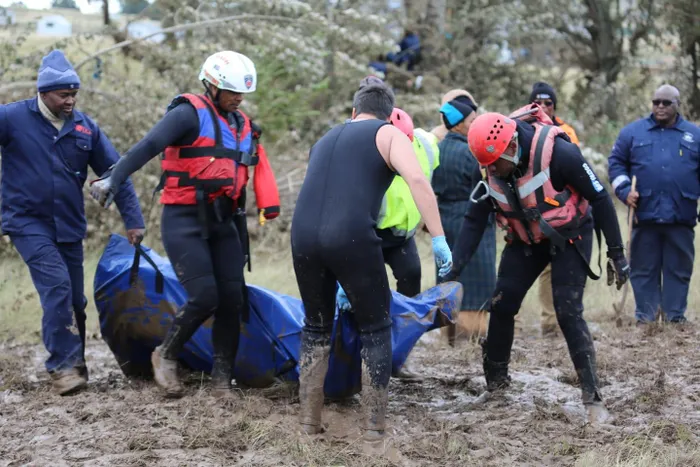
More than 100 people died during heavy rains and flooding in the Eastern Cape in June.
Image: Supplied
Inclement weather bookended 2025 for KwaZulu-Natal, causing the tragic loss of life, however the Eastern Cape bore the heaviest impact of climate change, with a death toll exceeding 100 people.
Early Year Incidents and Disaster Relief Funds
The KZN Department of Cooperative Governance and Traditional Affairs (Cogta) reported that from February 24, seven people died, while one remained missing, following inclement weather in eThekwini.
In Lamontville, five people drowned after being swept away during a flooding incident. In Chatsworth, one person died when the house they were in collapsed following a mudslide. Another person drowned in Malangeni in uMdoni.
By March, climate events resulted in the deaths of approximately 40 people and extensive damage to infrastructure, homes, and livelihoods. The provinces affected included KZN, Eastern Cape, Limpopo, Free State, Mpumalanga, North West, and Gauteng.
Cogta Minister Velenkosini Hlabisa confirmed that through the National Disaster Management Centre (NDMC), Cogta had in February and March disbursed R1,444 billion to ensure immediate relief and reconstruction in the most affected areas.
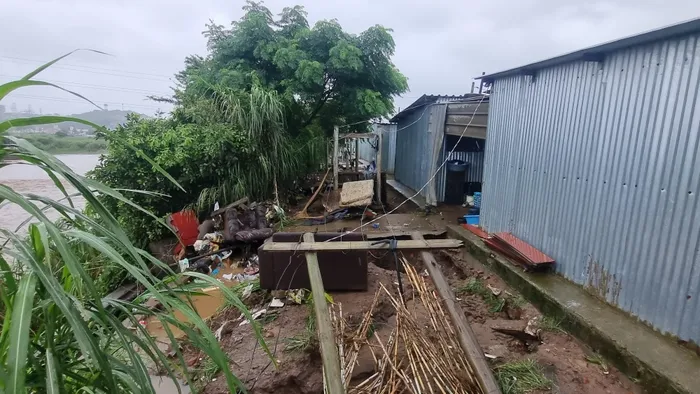
Five people died due to flooding in Lamontville, Durban, in February.
Image: Sibonelo Ngcobo/ Independent Newspapers
The breakdown of the R1.444bn disbursed to all municipalities and provincial sector departments was as follows:
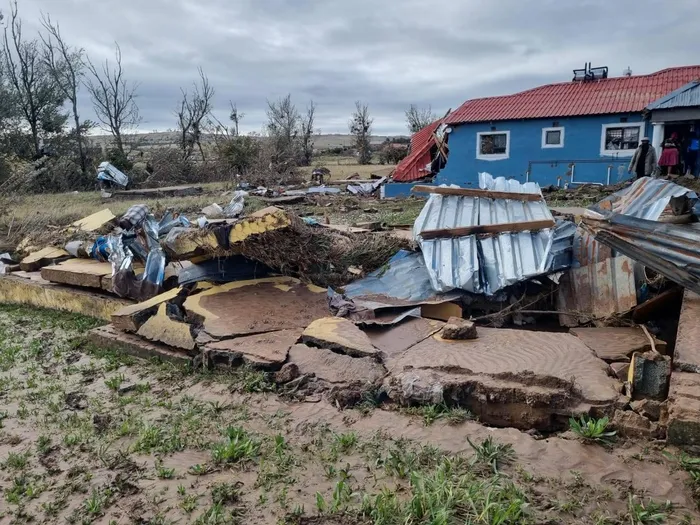
More than 100 people died in the Eastern Cape following heavy rains and flooding in June.
Image: OR Tambo District Municipality
Eastern Cape Disaster
The deadliest floods on June 9 and 10 in the Eastern Cape claimed 103 lives and left thousands homeless. Among the victims were 40 children, including infants.
The disaster, characterised by severe flooding, was officially classified as a national disaster.
The floods caused widespread destruction, primarily impacted the OR Tambo and Amathole District Municipalities. Additionally, some areas within the Alfred Nzo, Chris Hani District, Joe Gqabi, and Sarah Baartman municipalities were also affected.
The disaster resulted in a severe and wide-ranging impact, including fatalities, substantial damage to infrastructure, and the displacement of families. Essential services like water and electricity were disrupted, and access to healthcare was compromised. Furthermore, the event led to the loss of livestock and prevented pupils from participating in examinations.
The disaster affected over 6,869 households. This damage included 4,724 destroyed homes, which left thousands without shelter, and 2,145 homes that sustained partial damage.
More than 1,353 displaced people were accommodated in mass care centres and 122 in temporary emergency accommodation.
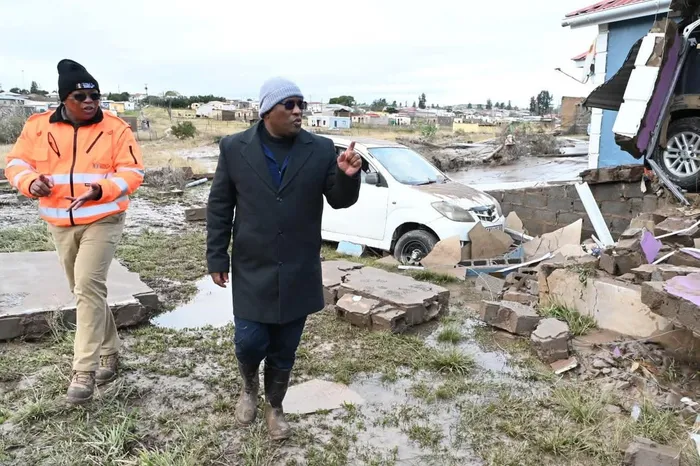
Eastern Cape Premier Oscar Mabuyane assessed the damage to homes and infrastructure after floods lashed the province.
Image: Premier Lubabalo Oscar Mabuyane / Facebook
Over 2,900 people received psychosocial support and dignity services through mobile teams and social workers deployed across the hardest-hit areas.
The disaster caused over R5bn in damage to infrastructure; 63 public health facilities were affected and required an estimated R88m for repairs.
Additionally, 229 schools were damaged, and nearly 50,000 pupils were affected. Only one school was destroyed. The estimated total cost for repairs across all affected schools was over R437m.
Access to communities was hampered by damaged roads (146) and bridges (63).
Agricultural losses totalled over R30m.
Damages extended to municipal infrastructure and costs of refurbishment were estimated at R1.89bn, which included roads, bridges, water treatment plants, sanitation works, housing, electricity, waste infrastructure, and sports facilities were heavily impacted.
The Department of Human Settlements reprioritised R120m for Temporary Residential Units (TRUs) for vulnerable families, yet the need was vast. The Eastern Cape required R461m for 4,724 TRUs and R1.7bn for permanent housing. Only 1,230 TRUs were funded across Amathole (350), Alfred Nzo (182), Buffalo City (34), Chris Hani (11), Joe Gqabi (51), and OR Tambo (600) by mid-July.
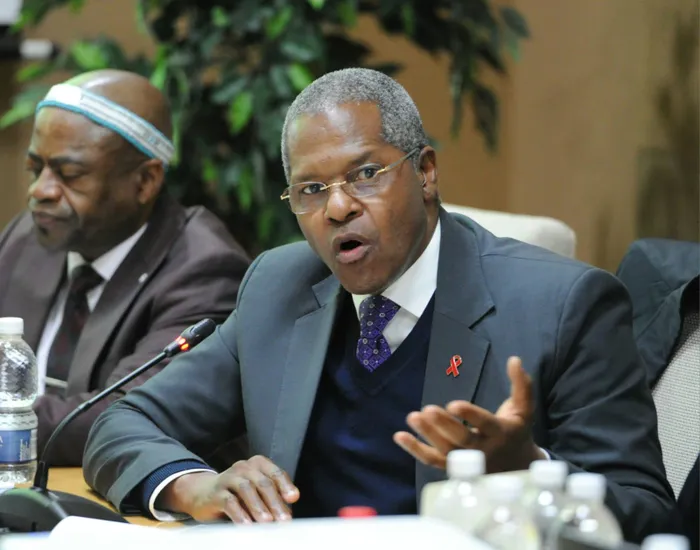
Cooperative Governance and Traditional Affairs (Cogta) Minister Velenkosini Hlabisa.
Image: Department of Cooperative Governance and Traditional Affairs / Facebook
Funding Relief Efforts
In July, Hlabisa gave information on disaster funds following floods and heavy snowfall that occurred in KZN, the Free State, and the severely affected Eastern Cape.
Disasters resulted in a total of 107 fatalities in June. The Eastern Cape accounted for the majority of these losses, with 103 lives lost, followed by three in KZN and one in the Western Cape.
A total of R1.255bn was allocated for the 2025/26 financial year:
The Eastern Cape was set to receive the largest portion of the R1.255bn allocated for the 2025/26 financial year, with approximately R500m earmarked for the province. This significant allocation acknowledged the extensive damage suffered there to infrastructure and residences. The total funds were to be released in successive phases.
Seventeen municipalities in KZN, including the eThekwini Municipality, were set to receive R139m in disaster relief grants. This allocation followed extensive storm damage in the region.
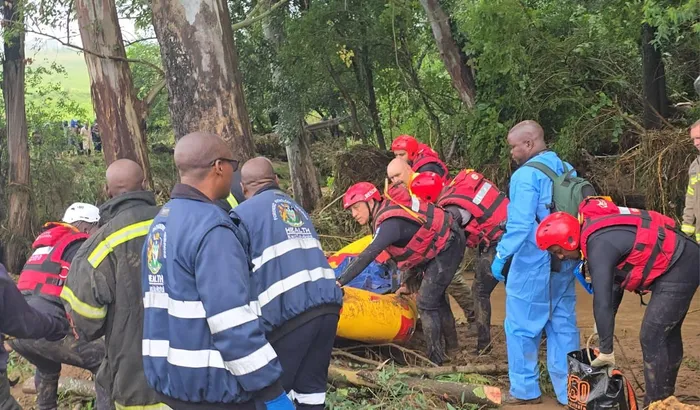
Rescue teams retrieved a woman's body from a river in the uMshwathi Local Municipality, following heavy rains.
Image: KZN Cogta
Late-Year Flooding and Fatalities
In November, heavy rain and flooding led to significant damage and disruption across various wards, including New Hanover (Shiyabazali), Mishani, Dalton/Cool Air (Loliwe, Sphothom, Mkhushwa), and Kamelhoek.
A total of 465 individuals from 108 households were affected. A total of 117 houses were destroyed (50 partially damaged and 67 destroyed), leaving 79 people homeless.
Three people were swept away, and only one body was recovered a day after the incident. The two missing persons were recovered on December 3.
On December 21, severe thunderstorms and heavy rainfall battered the Ugu District Municipality and parts of the eThekwini Municipality. This resulted in widespread flooding in Margate and Port Shepstone, causing damage to homes and infrastructure.
A 63-year-old woman died when the house she was in collapsed during a mudslide in Bomela under the Ray Nkonyeni Local Municipality. In another incident, a 46-year-old man drowned after he was swept away by floodwaters in Qholoqholo, under the Umzumbe Local Municipality.
In eThekwini, a vehicle carrying five occupants was swept away by floodwaters on a low-lying bridge in eManzimtoti. Two occupants managed to escape while search and rescue teams recovered the bodies of two men, aged 25 and 40. One person remained missing; however, search efforts continued.
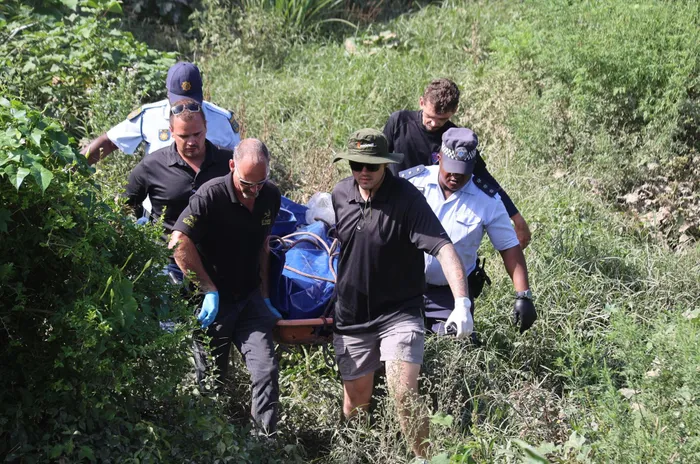
The body of a flood victim was recovered in eManzimtoti after a vehicle was swept away by floodwaters. Two bodies were recovered while a third man remained missing.
Image: Tumi Pakkies / Independent Newspapers
SAWS Briefing and Severe Weather Events
In a recent media briefing, the South African Weather Service’s (SAWS) senior forecaster Jacqueline Modika acknowledged the serious nature of the severe weather events that had occurred since mid-spring and continued into early summer.
A prominent example was the recent heavy rainfall in the KZN Midlands, which caused widespread flooding in the uMshwathi municipal area, resulting in significant infrastructure damage and tragic fatalities.
In another event, a severe thunderstorm affected Gauteng, Mpumalanga and Limpopo, bringing large hail, intense downpours and strong winds, with the northern parts of Gauteng and adjacent areas of Limpopo among the hardest hit.
“These incidents rounded off a year marked by profound loss, including the devastating rainfall and flooding in parts of the Eastern Cape, where more than 100 people lost their lives, including residents of rural communities such as Dicoligny near Mthatha,” Modika said.
Modika reported that the SAWS anticipated partly cloudy conditions, ranging from warm to cool, for most of South Africa during the upcoming festive season, which included Christmas and New Year. The central and eastern parts of the country are primarily where isolated to scattered showers and thundershowers were expected.
Thunderstorm activity was expected to occur primarily in the afternoons, although periods of increased moisture might cause morning showers in some areas. Much of the rainfall during this period would be associated with afternoon and evening thundershowers, which might at times be accompanied by heavy downpours, lightning and gusty winds, Modika said.