

THIS year for the first time during the 16 Days of Activism against Gender Based Violence (GBV), the United Nations embarked on a powerful campaign to highlight digital violence.
Image: IOL Ron AI
Geshy Reddy shares her harrowing five-year battle against digital violence, exposing systemic failures in addressing online abuse and calling for urgent government action to protect victims. This powerful first-person account reveals how digital violence destroys lives and why our legal system must adapt to the digital age.
THIS year for the first time during the 16 Days of Activism against Gender Based Violence (GBV), the United Nations embarked on a powerful campaign to highlight digital violence.
Digital violence is real. It is not a harmless comment, a joke, or a passing post. It is a weapon. It uses technology to humiliate, defame, threaten, stalk, and silence.
Once shared online, it never disappears - it becomes a permanent digital footprint that follows the victim for life.
Abusers often incite hate, garner others to join and did you know online fighting can become a compulsive and potentially addictive behaviour driven by the release of dopamine and adrenaline?
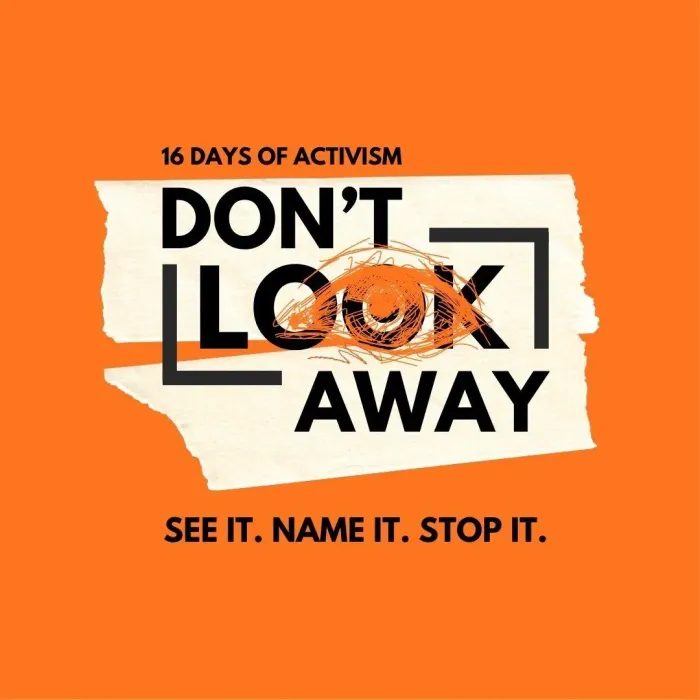
Don't turn a blind eye to GBV.
Image: Archive
For five years, I have been subjected to digital violence because I dared to stand up against racism and injustice.
I have endured graphic rape and death threats, threats to drug me, and attempts to terrorise me into silence. This was all because I responded to a news article.
My identity and image was stolen and used commercially to advertise companies, used to campaign for political agendas I never supported, and used to mislead the public.
I was intimidated to leave the political party I belonged to, while my activism was distorted into a political attack. I fought passionately in Women’s Parliament within the Democratic Alliance (DA), and my submissions were resolved by the Premier's office but the more I stood up, the more aggressive the attacks became.
I was never asked to leave by the party and but did so to protect my family and myself from a one sided political online rivalry.
My abuser phoned insurance companies claiming I was his wife seeking to cover me.
I am a financial planner for 22 years and he assumed would not be able to uses subpoenas to access the evidence. The POPI Act is not meant to protect clandestine abuse to silence victims.
He published viral videos referring to himself as my “lover boy”. He made references to body parts in the most suggestive and vile manner, harassing me sexually and repeatedly.
He contacted my colleagues and my professional industry, spreading lies to destroy my credibility, reputation, and livelihood.
This is not obsession; it is calculated psychological warfare. This is digital violence.
It is not just online mischief, it is emotional torture. It steals your peace. It creates panic, fear, anxiety, humiliation, trauma, and a daily fear of waking up to new attacks. It is as damaging, as scarring, and as dangerous as physical violence.
And it does not end with the victim. Every person who witnesses online hate, violent threats, deep-fakes, and smear campaigns is triggered, retraumatised, and psychologically harmed. It normalises cruelty. It tells society that violence is entertainment. It teaches our children that hate is acceptable. We are sleepwalking into a national crisis.
South African online conduct by social media influencers is a warzone and a degradation of civil society. Mental health is fragile, and even adult women are suicidal. Online users assume their opinions entitle them to unlimited freedom of speech. No right is unlimited.
South Africa has laws meant to protect us, but they are failing to be implemented.
These laws mean nothing if officers of the law cannot execute them.
When officers of the law themselves undermines the very acts meant to protect the vulnerable, that is a betrayal of justice.
Abuse and GBV is not just physical. It also comes in the form of financial abuse, abuse of office and digital violence.
We have prosecutors declining cases because they do not understand digital evidence, or they are too lazy to call on NPA cyber experts. We have magistrates who refuse to acknowledge psychological harm because it is not physical harm. We have SAPS officers intimidating victims because they do not understand the Electronic Communications Act. We have courts turning away evidence because they have no digital storage to upload files.
How can we fight cybercrime when the very system designed to protect us cannot engage with digital reality?
Minister of Communications and Digital Technologies, Solly Malatsi, while you negotiate with social-media companies on a business level, ensure that South Africans can use reporting tools effectively. Disclaimers and community standards mean nothing when TikTok and Facebook make it almost impossible to report abuse.
Minister of Justice and Constitutional Development, Mmamoloko Kubayi, please ensure magistrates, prosecutors, and the clerks are trained to enforce cyber laws. Digital violence is not “less serious.” It is real violence. Courts don't have means of storing electronic data when victims walk in to report digital crimes. Clerks are baffled with the Electronic Communications Act section of their own protection orders .
Acting Minister of Police, Firoz Cachalia, fix the national failure to understand and act on digital threats. No victim should be humiliated by the very system meant to protect them. Victims cannot be threatened by police when they reported for pushing away cyber-crime charges because they don't understand or it's too much work to reach out to Cyber Crimes units. Digital violence is violence.
Abusers use digital violence to break you, to silence you and to erase your voice.
I refuse to be erased. I refuse to be silenced. I stand here, not as a victim, but as a warning.
Digital violence is not the future. It is already here. And unless we act, it will destroy us, one voice at a time.
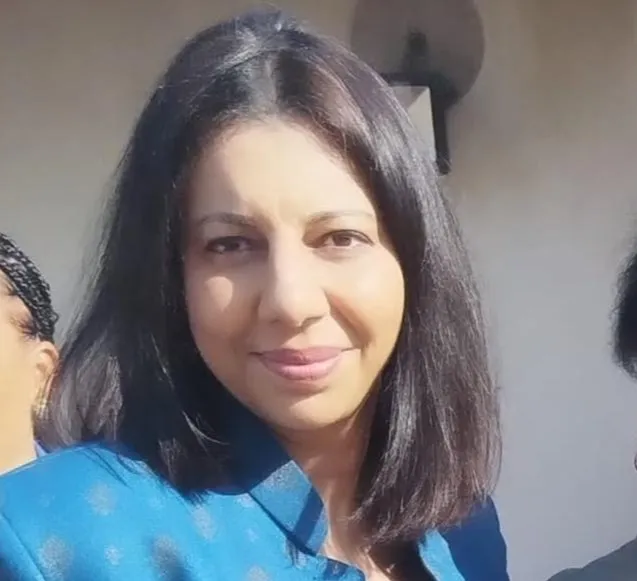
Geshy Reddy
Image: Supplied
Geshy Reddy is a wife, mother and senior online financial planner. She is an advocate against racism, GBV digital violence, and financial crime. Reddy campaigns for legal reform and protection across social, political and digital platforms.
** The views expressed do not necessarily reflect the views of IOL or Independent Media.