

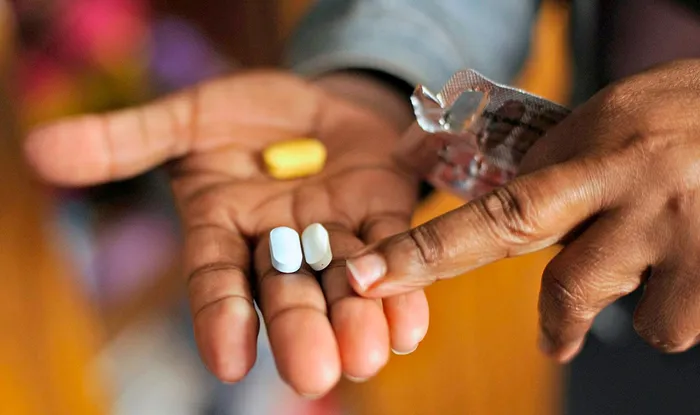
HIV/Aids is a critical health issue in South Africa, home to the world's largest HIV epidemic, affecting approximately 12.8% of the population. Without restored funding, projections indicate an additional 150 000 to 295 000 HIV infections by 2028, along with numerous Aids-related deaths, says the writer.
Image: FILE
SINCE the beginning of his second term in office, President Donald Trump has increased tariffs on all US imports from global trading partners.
This action was swift and impactful, leaving many countries, including South Africa, grappling with the consequences.
While the South African government has taken a diplomatic yet bold stance in response, it has not produced the urgent economic results we need.
Last week, the US announced steep tariffs on key South African exports, coupled with cuts to essential funding for our health sector.
This should alarm everyone who worries each day about putting food on the table or affording medical care. What may seem like distant trade policies or foreign aid manoeuvring is already affecting daily life in towns, townships, and rural areas across South Africa.
To understand the economic impact of these tariffs, consider that a 25% duty on exported vehicles and increased levies on steel, aluminium, and agricultural goods - such as citrus and wine - threaten to reduce demand for South African products in one of our vital export markets.
This issue transcends big companies; it directly affects ordinary citizens, including working-class individuals. Factory workers, farm labourers, transporters, and packers all rely on export orders for their livelihoods. Reports indicate that if these tariffs remain in place and foreign demand continues to shrink, it could potentially impact over 70 000 jobs.
For families already stretched thin, the consequences are immediate and severe. A laid-off factory worker might mean children have to skip extracurricular activities - perhaps this year's school trip gets cancelled, or household spending is cut down to the bare essentials.
Local small shops lose customers, and informal traders see foot traffic disappear. In a country where unemployment and underemployment are already painfully high, losing just one export contract or factory order can send shockwaves through entire communities.
We acknowledge that South Africa's GDP grew by 0.5% in the third quarter of 2025, marking the fourth consecutive quarter of economic expansion. However, this growth heavily depends on the agriculture, mining, and trade sectors.
Moreover, the financial impact is not the only burden on households. A parallel, and perhaps more grave, crisis lies within our health system - one that many have yet to comprehend fully.
In 2025, significant cuts to foreign aid, particularly from the US-funded program PEPFAR (the President's Emergency Plan for AIDS Relief), led to the shutdown of numerous clinics. This closure included specialised services that supported vulnerable communities, such as men's clinics, transgender care clinics, and drop-in centres for sex workers.
Thousands of skilled healthcare workers - nurses, community health workers, and data capturers - lost their jobs as positions funded by PEPFAR grants vanished. As a result, clinics became overburdened, leading to long queues and worsened waiting times for all patients, whether they were collecting antiretroviral (ARV) medication, seeking HIV tests, or requiring general care.
For many households, particularly in poorer communities, rural areas, or townships, recent changes have been devastating. A mother may travel hours to a clinic only to find no staff or medications available. Similarly, a teenager with HIV, who once had stable treatment, now faces stigma and disruptions as community support vanishes. These represent real families and individuals we know.
HIV/Aids is a critical health issue in South Africa, home to the world's largest HIV epidemic, affecting approximately 12.8% of the population.
Without restored funding, projections indicate an additional 150 000 to 295 000 HIV infections by 2028, along with numerous Aids-related deaths.
The epidemic also severely impacts the economy by reducing the workforce, increasing healthcare costs, lowering productivity, and straining household finances, intensifying existing inequalities and poverty.
This healthcare cut immediately has a direct impact on our productive workforce, which contributes to our economy.
For families already struggling with unemployment and rising living costs, these health shocks worsen their hardships, forcing them to focus on survival rather than on improving their health and well-being.
The combined economic and health pressures risk deepening inequality across the country. Urban centres may weather the storm better than rural areas or informal settlements, but no community is immune. In smaller towns and provincial districts - exceptionally high HIV-burden areas - the danger is that entire neighbourhoods could backslide: rising joblessness, frayed social ties, loss of dignity, and a return to despair.
At this moment, we need urgent and decisive intervention. The government, civil society, and all partners must treat this as an emergency - not as a mere footnote in economic policy. This requires the rapid mobilisation of domestic resources to reinstate lost health services, ensure clinics remain open, and rehire or retrain displaced health workers.
Additionally, we need to provide social relief to affected workers and families, including temporary income support, food assistance, and employment programs, especially in the regions hardest hit by job losses. Without a safety net, the shock from tariffs and aid cuts will impact generations to come.
In the long term, this crisis underscores the need to build resilience by diversifying our trade markets beyond traditional export partners and bolstering local industries.
South African manufacturers are already taking advantage of untapped markets and focusing on strengthening business relationships with our SADC partners and allies globally, which means households are less exposed to overseas demand.
In health, by enhancing our domestic funding and infrastructure, we can reduce our dependence on foreign aid.
Transparency and communication are crucial. Citizens need to understand the impact of cuts, such as closed clinics, suspended services, and job losses, so they can organise, respond, and demand accountability.
This issue goes beyond foreign policy and trade deals; it’s about South African lives - families, workers, and those affected by HIV. It’s about dignity, security, and the right to hope amidst inequality.
If tariffs and funding cuts become just another buried headline, we risk overlooking the struggles of families, the lack of medication, and communities falling into despair.
As responsible corporate citizens, we must ensure this doesn’t happen.

Jennifer Reddy
Image: File
Jennifer Reddy is the CEO, Morar Incorporated.
** The views expressed do not necessarily reflect the views of IOL or Independent Media.