

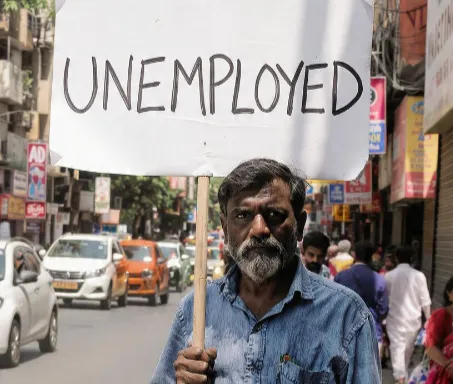
The increased cost of living, economic slowdown, and job insecurity remain primary concerns, even as inflation moderates.
Image: Meta AI
SOUTH Africans stand at a peculiar crossroads as 2026 approaches. After enduring a decade of economic stagnation, analyst JP Landman notes that "the reforms are a journey, but they have started working. Step by step, South Africa is opening its economy, modernising infrastructure and rebuilding credibility".
Yet this cautious optimism collides with harsh realities: unemployment hovering at 32%, crime costing the economy 10% of GDP annually, and the Madlanga Commission's revelations of deep corruption within our criminal justice system.
For consumers, 2026 will be a year of contrasts – genuine reasons for hope mixed with stubborn structural challenges that won't disappear overnight.
Relief at the grocery till and interest rate counter
Old Mutual chief economist Johann Els explains that "the South African consumer is in a good position, with cost-of-living pressures easing and household debt stabilising". Inflation has remained below 4% for most of 2025, with further interest rate cuts expected to bring the repo rate down from its current levels, translating to lower bond repayments, cheaper credit, and more disposable income.
Stanlib chief economist Kevin Lings highlights that "tax revenue collection exceeded budget by R19.7 billion," with VAT and corporate taxes performing particularly well. This fiscal discipline, combined with S&P's recent credit rating upgrade to BB with a positive outlook, signals improving economic fundamentals that should support consumer confidence.
The strengthening rand and your purchasing power
The rand has shown remarkable resilience, benefiting from improved fiscal discipline, the end of load-shedding, and a softer US dollar as American interest rates decline. A stronger rand means cheaper imports – from electronics to fuel – directly benefiting household budgets. For middle-class consumers planning overseas holidays or purchasing imported goods, this is tangible relief. Standard Bank's Goolam Ballim notes that efforts to consolidate public debt by 2025-2026 reflect "a broader narrative of restoring confidence among domestic and international investors", which supports rand stability and attracts foreign investment.
Private sector stepping up where government couldn't
The most significant structural reform since democracy isn't happening in Parliament – it's happening in boardrooms. Private sector participation in electricity generation, port operations, and freight rail is transforming the economy's productive capacity. Ballim anticipates that "by the close of 2024 and into 2025, we anticipate entering an era where electricity shortages are largely behind us". For consumers, this means reliable electricity underpins everything: businesses can operate predictably, cold chains function properly keeping food prices stable, and home-based entrepreneurs can plan without load-shedding destroying productivity.
Unemployment: the elephant in every room
Here's the uncomfortable truth: GDP is projected to increase by only 1.3% in 2025 and 1.4% in 2026, with unemployment expected to decrease only slightly to 32.1%. Even Old Mutual's optimistic growth forecasts of 2.5% to 3% over the medium term fall woefully short of the 5% to 6% needed to meaningfully reduce unemployment.
Among South African respondents to NIQ's consumer survey, 37% say their household is worse off now than a year ago, up from 33% in the previous year. The increased cost of living, economic slowdown, and job insecurity remain primary concerns, even as inflation moderates. For consumers, this means: if you have a job, protect it fiercely. If you're unemployed, 2026 won't magically create millions of new opportunities. The structural constraints in South Africa's labour market – skills deficits and regulatory complexity – will constrain job creation regardless of GDP growth.
Crime: the 10% tax nobody voted for
Crime costs South Africa's economy at least 10% of GDP annually through stolen property, protection costs, and missed economic opportunities. The impact on businesses is estimated at 6.5% of GDP, while households bear approximately 2% of GDP in economic crime costs.
The Madlanga Commission's ongoing revelations of criminal infiltration into police, judicial, and intelligence structures paint a disturbing picture. The commission is probing an expansive corruption scandal involving police-linked kickbacks from organised crime syndicates and high-level interference, with timelines potentially stretching well into 2026.
For consumers, this translates to higher insurance premiums, expensive private security, gated communities, and constant vigilance. The "safety tax" you pay – whether through armed response fees or avoiding certain areas – won't decrease significantly in 2026, regardless of commission findings.
Personal inflation vs. headline inflation: your reality may differ
While national inflation sits comfortably below 4%, your personal inflation rate might be significantly higher. Els emphasises that essential services – electricity, education, healthcare, municipal rates – continue rising well above the average, while consumer goods remain subdued. If you're a parent facing 6.9% school fee increases, or a homeowner watching municipal rates climb, or someone needing private healthcare, you're living in a different inflation reality than the official statistics suggest.
Lock in rate relief now
With interest rates declining, refinance expensive debt immediately. Consolidate high-interest credit card debt into lower-rate personal loans. If you have a bond, consider increasing monthly payments now while you can afford it – future you will thank present you when rates inevitably rise again.
Build the buffer you should have built yesterday
While 64% of South Africans expect their household situation to improve by 2026, this confidence masks the reality that consumers have become numb to rising prices and economic stagnation. Don't let optimism override prudence. Three to six months' emergency savings isn't paranoia – it's survival strategy in an economy with 32% unemployment.
Invest in skills, not just assets
The jobs being created require specific skills: digital literacy, technical competencies, adaptability. Whether you're employed or seeking work, 2026 is the year to invest in education and skills development. The rand's strength makes online international courses more affordable – use this advantage.
Accept the new normal of self-reliance
Government isn't coming to save you. Police response times won't improve dramatically. Municipal services will remain inconsistent. The sooner you accept this and build personal resilience – whether through community networks, private security, water storage, or backup power – the less disappointed you'll be.
South Africa in 2026 offers genuine improvements: lower inflation, declining interest rates, stable electricity supply, a strengthening rand, and better fiscal management. These aren't trivial – they materially improve household finances and business conditions. But structural challenges remain formidable: catastrophic unemployment, pervasive crime costing 10% of GDP, and corruption so deeply embedded that even after commissions conclude, prosecution rates remain dismal.
JP Landman's assessment rings true: the reforms are working, but it's a journey. For consumers, 2026 is a year to capitalise on the positives – lock in lower rates, benefit from rand strength, enjoy reliable electricity – while remaining vigilant about the negatives that won't disappear quickly.
Your personal economic outcome in 2026 won't be determined by GDP growth rates or commission findings. It will be determined by how strategically you manage your finances, how aggressively you build buffers, and how realistically you assess both opportunities and threats. The tide is turning, but it's turning slowly. Swim wisely.

Sanjith Hannuman
Image: File
Sanjith Hannuman is the managing director of Avinash Consultants & Actuaries.
** The views expressed do not necessarily reflect the views of IOL or Independent Media.