

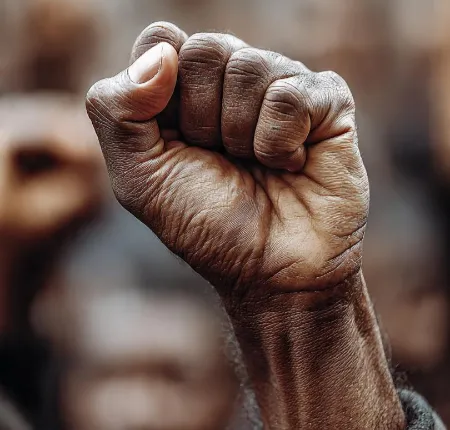
Racism is far from eradicated, and it affects all communities in different ways, says the writer,
Image: Meta AI
SOUTH Africa’s history is inseparable from the painful legacy of racism. While the advent of democracy promised equality, dignity and freedom for all, incidents of racial hatred continue to surface with disturbing regularity.
The recent circulation of a video in which a woman tells Indian South Africans to “go back to India” has once again forced the nation to confront an uncomfortable truth: racism is far from eradicated, and it affects all communities in different ways.
This incident, which occurred in a private capacity and not while the individual was on duty, has sparked widespread public outrage. While allegations have emerged regarding the individual’s place of employment, it is important to emphasise that due process must prevail. At the same time, the incident should not distract us from the broader issue - the normalisation of racist language and behaviour in everyday spaces, including on social media platforms that amplify prejudice at unprecedented speed.
Racism in South Africa is not confined to one racial group being victimised or one group being perpetrators. Black South Africans continue to face systemic racism rooted in historical inequality. Indian South Africans have endured racial hostility, xenophobic rhetoric and stereotypes, both historically and in contemporary discourse. Coloured communities and other minorities experience their own forms of exclusion and discrimination. Selective outrage weakens the collective struggle against racism and undermines social cohesion. Importantly, this discussion must be grounded in evidence.
According to the South African Human Rights Commission (SAHRC), racism consistently remains one of the leading categories of complaints received annually. In the 2023/2024 financial year, more than 300 racism-related complaints were formally registered. In the subsequent 2024/2025 reporting period, race-based complaints continued to dominate equality-related cases handled by the commission. These figures represent reported incidents only; many victims do not come forward due to fear, desensitisation, or lack of confidence in redress mechanisms.
KwaZulu-Natal, Gauteng and the Western Cape have consistently recorded high volumes of race-related complaints. This geographic spread reinforces the reality that racism is not isolated to specific regions or socio-economic spaces, but remains a national concern requiring sustained intervention.
South Africa’s legal framework provides clear mechanisms to address racism and hate speech. The Constitution enshrines equality and human dignity as foundational values. The Promotion of Equality and Prevention of Unfair Discrimination Act (Pepuda), together with hate crimes legislation, prohibits unfair discrimination and hate speech. Equality Courts are mandated to provide accessible remedies to victims. However, enforcement challenges persist, including under-resourced courts, limited public awareness, and inconsistent application of sanctions.
The digital age has further complicated the fight against racism. Social media platforms have become powerful tools for expression, but they also enable the rapid spread of hateful content. Racist utterances made online often have real-world consequences, reinforcing prejudice and emboldening others. Stronger cooperation between regulators, platforms and civil society is essential to ensure swift reporting, removal of content and accountability.
In the current case, allegations that the individual works in a public-facing aviation service industry have prompted calls for employer accountability. While the incident did not occur during working hours, employers across sectors have an obligation to uphold values of non-discrimination and dignity in the workplace. International best practice recognises that conduct which fundamentally contradicts organisational values, even outside of work, may warrant disciplinary scrutiny, provided that fair procedures are followed.
It must be stressed, however, that the issue at hand is not about singling out a particular industry. The core concern is whether society is prepared to treat racism with the seriousness it deserves. Consequences matter - not as acts of retribution, but as signals that racism is incompatible with a constitutional democracy built on equality. Beyond legal sanctions, education remains a critical pillar in combating racism. Schools, workplaces, religious institutions and community organisations must actively promote dialogue, empathy and historical understanding. Anti-racism education should not be reactive or event-driven, but sustained and intentional.
As we reflect on the past year, the persistence of racism-related complaints should serve as a sobering reminder that democracy requires constant vigilance. Incidents such as the one currently under public scrutiny should compel us to move beyond outrage towards long-term solutions that strengthen accountability, social cohesion and respect for human dignity. Ending racism is not the responsibility of the state alone. It requires collective commitment - from individuals, institutions, employers and communities - to challenge prejudice wherever it appears. Only then can South Africa move closer to realising the constitutional promise of a society united in diversity.
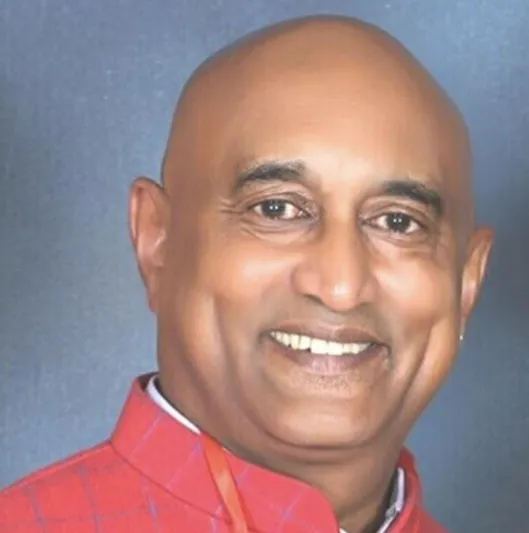
Dr Rajendran Govender
Image: File
Dr Rajendran Govender: social anthropologist and researcher; Commissioner in the Cultural, Religious and Linguistic Rights Commission; board member of the Pan South African Language Board; and global coordinator of the Global Repository of Ancient Cultural Endeavours. This column is written in the author's personal capacity.
** The views expressed do not necessarily reflect the views of IOL or Independent Media.