

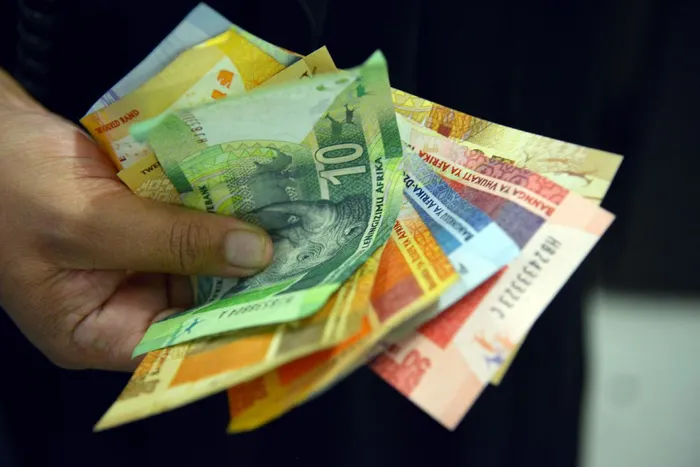
For the first time in recent memory, South Africa is a "buy" for investors seeking stability in an otherwise volatile emerging market basket, given the complex global geopolitics of South America, Eastern Europe, and the Middle East, says the writer.
Image: Karen Sandison/ Independent Newspapers.
LAST year was punctuated by a strong Rand, falling interest rates, record highs on the Stock Market, gold and other precious metals. Could this fairy tale conclusion continue into the new year?
As we navigate the first week of 2026, the global and domestic economic landscapes present a paradox of "green shoots" fighting against a collective of structural and geopolitical risks, with Venezuela added to the troubles in Ukraine and the Middle East. For the first time in a decade, South Africa is no longer the "sick man" of emerging markets. Yet, the global stage upon which we trade is becoming increasingly fragmented and unpredictable.
For years, the South African story was one of "unrealised potential" strangled by energy deficits and logistical bottlenecks, corruption and weather disasters. While we have not solved all these problems, as we enter 2026, the data suggests a pivot.
While the IMF remains cautious, forecasting South Africa’s GDP growth at a modest 1.1% to 1.6%, local sentiment is more optimistic. We are seeing a "normalisation" of the growth trajectory. Inflation has settled remarkably well, averaging between 3.1% and 3.4% - neatly tucked into the lower half of the Reserve Bank’s target range.
This disinflationary trend has allowed the SARB to pivot toward a more accommodative stance, with the repo rate expected to move toward the 6% mark by 2027. Much of the celebration in the inflation data stems from the Rand regaining its footing at the R16.3/USD level last observed in 2022. Recent demand for the local currency is attributed to Rand demand, some USD weakness through 2025, a surging gold price, and renewed regional investment post the G20.
The actual engine of the 2026 outlook is structural reform. We have passed the 18-month mark without "load shedding", a feat once thought impossible. Attention has now shifted to the "logistics cliff." Reforms of Transnet’s National Ports Authority, 2026, will be the year of fixing the pipes and the ports.
Recent credit rating upgrades, notably from S&P Global, and our removal from the FATF "Grey List" have lowered sovereign borrowing costs. For the first time in recent memory, South Africa is a "buy" for investors seeking stability in an otherwise volatile emerging market basket, given the complex global geopolitics of South America, Eastern Europe, and the Middle East. South Africa starts to look like the "fairest of them all.
"Globally, the picture is more sombre. We are witnessing a "Global Economy in Flux," characterised by what the IMF calls "lacklustre growth prospects."
Global GDP is projected to decelerate slightly to 3.1% to 3.2% in 2026. The post-pandemic "catch-up" growth is over. The US remains resilient but faces a negative supply shock from aggressive tariff regimes and immigration restrictions, which keep core inflation stickier than desired. China continues its "structural struggle," pivoting toward strategic tech like EVs and solar while battling a property sector that has yet to find a floor.
While this would typically signal caution to investors, cash continues to flow into markets, and global equities reach new highs. This euphoric tone has driven record highs on the JSE, and for now, markets are expected to continue riding the Trump wave.
We have entered a "new era of protectionism." The rules-based order of the post-war era is fracturing into a multipolar system. Trade tensions between the US and China, despite occasional truces, remain the single most significant downside risk to the global economy. For South Africa, this is a double-edged sword: we benefit from high commodity prices (with gold hitting records over $4,000/oz in 2025 and PGMs rebounding), but we are vulnerable to any slowdown in global trade volume.
2026 is the year of reckoning for Artificial Intelligence (AI). Markets are looking for "monetisation" over "hype." If AI fails to deliver the promised productivity gains, we risk a tech-led market correction that could reverberate through the financial system. Conversely, successful adoption could be the "deflationary hero" the world needs to offset rising labour costs.
For South Africa, 2026 is about momentum. We have the "green shoots," but we lack the "forest." A growth rate of 1.5% to 2% is a victory compared to 0.5%, but it is not enough to significantly reduce our unemployment rate of 30% or more. The global economy is providing us with a "window of stability" through cooling inflation, but it is also taking away the "door of opportunity" through trade barriers.
The guidance to the Treasury and the private sector is clear; now is the time to internalise growth. We cannot rely on a global tide to lift our boat; we must rely on our own structural repairs. This year will be a year of cautious opportunity. For the prudent investor and the diligent policymaker, the path is narrow but visible. The era of excuses is over; the era of execution has begun.
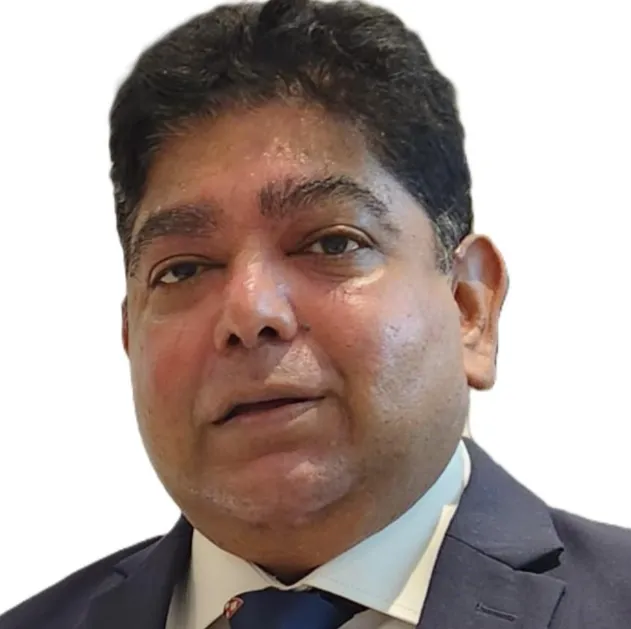
Advocate Lavan Gopaul
Image: File
Advocate Lavan Gopaul is the director of Merchant Afrika.
** The views expressed do not necessarily reflect the views of IOL or Independent Media.