

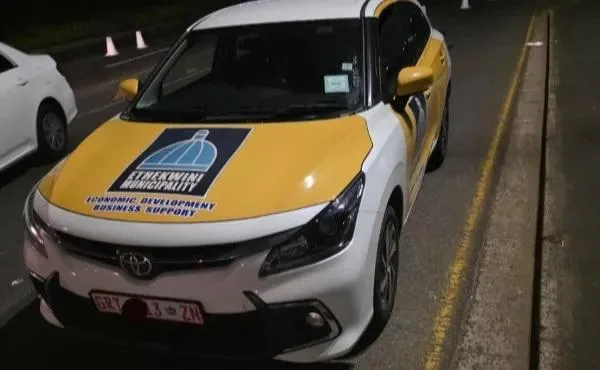
Three eThekwini Municipality employees were recently arrested for driving under the influence while operating marked municipal vehicles. The writer says municipal vehicles driven recklessly, used for personal shopping during work hours, involved in preventable accidents - this casual abuse of public assets reveals contempt for those whose taxes purchased them.
Image: Facebook
WHEN I reflect upon the R493 million in irregular expenditure disclosed by eThekwini Municipality, my heart feels both sorrow and hope. Sorrow for the suffering this waste inflicts upon those who need services most. Hope because human beings possess remarkable capacity for transformation when they choose the path of compassion and accountability.
There is an African proverb: "It takes a village to raise a child."
The eThekwini Municipality has been that village for countless employees - nurturing them, providing livelihoods, raising families. Yet now some of these very people, having been raised by this village, stand accused of destroying it through greed, incompetence and negligence. Will we allow our village to be destroyed? The answer must be a resounding no, but this cannot manifest through anger alone. Genuine transformation requires inner change radiating outward.
According to Independent Media reports throughout 2025, eThekwini has incurred over R1.1 billion in irregular expenditure. The June 2025 Bless Joe Trading judgment ordered the municipality to pay nearly R100 million after officials unlawfully cancelled a tender yet continued using the company's equipment for years. The Constitutional Court's December 2025 ruling in the Daily Double Trading matter will cost approximately R53 million. The municipality's December 2025 Pietermaritzburg High Court loss regarding sewage management revealed systematic violation of citizens' constitutional right to a clean environment.
These are not mere statistics. Behind each rand wasted stands a family waiting for clean water, a child whose school lacks resources, an elder requiring healthcare. When we understand this interconnection - this ubuntu - the urgency of transformation becomes clear. The 2023 Special Investigating Unit report documented how officials allocated sites without following procurement processes, recommending criminal charges under the Prevention and Combating of Corrupt Activities Act. Yet three years later, meaningful accountability remains absent. Why? Because those responsible have not experienced the inner transformation necessary for genuine remorse and change.
The ruling party has declared 2026 the year of decisive action to fix local government and transform the economy. Here stands their opportunity to demonstrate this commitment transcends rhetoric. They possess authority, resources and constitutional powers under Sections 100 and 139 to intervene.
Premier Thamsanqa Ntuli and President Cyril Ramaphosa can act decisively if political will matches political promises. But punishment alone will not heal this village. We must understand root causes while pursuing accountability. The Batho Pele principles - consultation, service standards, access, courtesy, information, openness, redress and value for money - embody ubuntu translated into governance.
When eThekwini Water and Sanitation misapplies R102 million through improper emergency procurement, or Recreation and Parks uses R19 million in expired contracts, every Batho Pele principle is violated. This reflects not isolated errors but systemic abandonment of values. I observe four interconnected failures: wisdom, compassion, discipline and stewardship.
First, wisdom deficit. When unqualified individuals occupy senior positions through political deployment rather than merit, poor decisions become inevitable. The SIU report confirms this pattern. Municipal Manager Musa Mbhele and Mayor Cyril Xaba bear ultimate responsibility for ensuring competent officials occupy critical roles. Their failure to do so constitutes leadership negligence warranting suspension pending thorough investigation. Employment must be merit-based with transparent competency assessments. Every senior position should require public disclosure of qualifications and experience. Political connections become irrelevant when incompetence costs ratepayers hundreds of millions.
Second, compassion deficit. When officials view positions as personal opportunities rather than sacred trusts to serve, ubuntu disappears. Those who grew up in this village - raised by eThekwini's employment, educated through its systems, provided homes through its salaries - now plunder what nurtured them. This represents profound moral failure. Transformation requires each official to begin daily practice: "Today, how does my work serve community wellbeing?" When this question guides decisions, corruption becomes impossible. One cannot knowingly harm those one genuinely serves.
Third, stewardship deficit. Municipal vehicles driven recklessly, used for personal shopping during work hours, involved in preventable accidents - this casual abuse of public assets reveals contempt for those whose taxes purchased them. Would these officials treat their personal vehicles with such disregard? The arrogance displayed toward ratepayers who report misconduct, coupled with management's refusal to act, perpetuates this culture. Every municipal vehicle - from buses to the mayor's car - must display clear municipal logos and "Report Bad Driving" numbers with mandatory feedback to complainants. Public assets demand public accountability.
Fourth, discipline deficit. Consequence management exists only on paper. Officials responsible for R493 million irregular expenditure face "final warnings" while remaining employed. This sends terrible message: misconduct carries no real consequences. The Municipal Finance Management Act Section 171 permits personal liability for officials acting negligently. Section 62 makes the municipal manager personally responsible for preventing irregular expenditure. These provisions must be invoked, not merely cited. Officials must face criminal prosecution where evidence warrants, with asset recovery pursued vigorously. But we must balance justice with compassion.
Those who acknowledge wrongdoing, cooperate fully and demonstrate genuine remorse deserve consideration. Those who obstruct accountability, deny responsibility and continue destructive patterns require firm consequences. The path forward requires simultaneous action on multiple fronts.
Immediate intervention: provincial government must exercise Section 139 powers placing eThekwini under administration. The municipality's 2023 resistance to this recommendation revealed institutional arrogance requiring decisive response. Premier Ntuli possesses both authority and obligation to act.
Legal accountability: criminal charges must be filed against officials whose actions constitute fraud or corruption. Civil recovery must pursue personal liability where negligence caused financial loss. This establishes precedent demonstrating misconduct carries consequences.
Systemic reform: independent competency assessments for all senior officials with immediate suspension of those lacking required qualifications. Legal panel performance review with termination of counsel demonstrating consistent poor advice. Implementation of rigorous Batho Pele compliance monitoring with monthly public reporting.
Values transformation: mandatory training in ubuntu principles and Batho Pele implementation for all employees from the city manager to newest hire. Not performative workshops but deep engagement with why public service exists and whom it serves.
Ratepayer engagement: EURBCO's Allison Schoeman told Independent Media that "fixing municipalities is the key to fixing the country." She is correct. Ratepayer organisations must intensify oversight, compile detailed performance scorecards and mobilise electoral pressure for the 2026 local government elections.T he water crisis illustrates what compassionate competence achieves. Singapore maintains non-revenue water below 5% through systematic management. eThekwini loses over 45% - approximately R950 million annually. This is not infrastructure age but management failure. With proper leadership, these losses could fund the very services ratepayers desperately need.
I am reminded that anger toward wrongdoing is appropriate, but hatred toward wrongdoers is poison. Those who have plundered eThekwini are human beings capable of transformation. Some may change through conscience awakening. Others require consequences to understand the gravity of their actions. Both approaches serve the greater good when applied with wisdom. The ruling party's 2026 commitment to fixing local government will be judged by eThekwini outcomes. If they act decisively - prosecuting corruption, removing incompetent officials, implementing transparent governance, enforcing Batho Pele principles - they demonstrate genuine commitment.
If they offer excuses while dysfunction continues, their words become meaningless. Our village - eThekwini - raised many who now lead it. These children of the village must choose: honour what nurtured them by serving with integrity or destroy it through greed and negligence. We who remain must also choose: passive acceptance of decline, or active participation in renewal. The Dalai Lama teaches that compassion without wisdom is sentiment, and wisdom without compassion is cruelty.
We need both: wisdom to implement proper governance, compassion to remember we're healing a community, not merely punishing individuals. It takes a village to raise a child. It takes that same village, united in purpose and committed to ubuntu, to save itself from those who would destroy it. The question is whether we possess the collective will to transform suffering into renewal, dysfunction into service, and greed into genuine care for one another.
eThekwini can become a model of transformation if leadership embraces accountability with the same vigor they once embraced opportunity. The path exists. Only the choice remains.
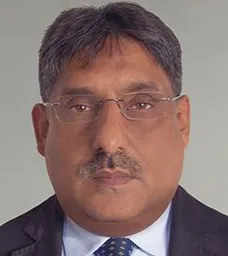
Sanjith Hannuman
Image: File
Sanjith Hannuman is the managing director of Avinash Consultants & Actuaries.
** The views expressed do not necessarily reflect the views of IOL or Independent Media.