

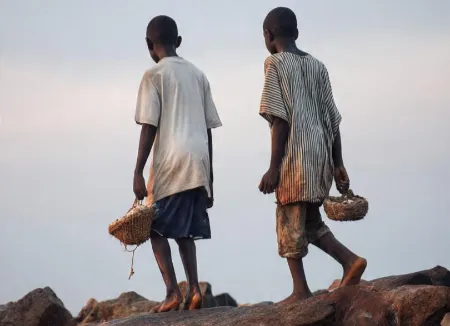
Without stable adult guidance, many boys drift away from education, says the writer.
Image: Meta AI
THE observation by the Minister of Basic Education, Siviwe Gwarube, about the enrolment and dropout patterns of boys in South African high schools is indeed a cause for concern. This is not a new phenomenon, but to her credit, Gwarube is the first education minister to move this issue into the public realm.
The hope is that South Africans might begin to see that this is a problem that, if not addressed effectively and decisively, will have both short- and long-term effects on all South Africans.
Youth unemployment, poverty, malnutrition and crime are already serious challenges that the country faces. Whether the ministry has the political will and capacity to initiate and coordinate an intervention strategy, partnering with other ministries and key stakeholders to address this, remains a moot point. What is clear, though, is that every day in South Africa, hundreds of boys quietly disappear from our schools. They stop showing up, often exiting the system unnoticed. They become invisible statistics in an education crisis that threatens the future of an entire generation.
In South Africa, the ratio of boys to girls is fairly balanced across the age groups. However, the Grade 12 data indicate that 56% of matriculants were girls, while boys comprise just 44%. That girls are more likely to remain in school and graduate from high school is a positive development. Boy dropout can be attributed to a complex web of poverty, outdated masculinity norms, and systemic failures that are pushing boys out of school and into uncertain futures.
Boys who repeat grade 10 or 11 for the second time face particular challenges, as they are older than most of their classmates. Because these boys are usually not academically strong, they are likely to be embarrassed by their academic struggles. Family structure and instability are significant determinants of dropout, with boys in the dropout group being less likely to live with either parent.
Without stable adult guidance, many boys drift away from education. As they grow older, boys from especially poor communities, from single-parent households, or those living with grandparents, feel the pressure to help put food on the table. They stop attending school regularly. The result of intermittent attendance is that they miss out on segments of the curriculum taught in their absence and struggle to catch up. They quickly drop out completely. These young men end up on the streets with little hope of finding formal work without a matric certificate.
Unfortunately, they add to South Africa’s high youth unemployment rate, which stands at about 63%. The socioeconomic status of boys alone does not explain the gender disparity. Experts point to the intersection of rigid gender norms and South Africa's harsh realities. Traditional expectations of masculinity - that men should be providers, tough, and action-oriented - can clash with the patience and compliance required for success, especially in poor public schools that lack basic facilities, infrastructure, and high levels of teacher and school leadership commitment, and are marked by high levels of dysfunctionality.
For some boys, staying in school feels like abandoning their masculine identity. In the many high-risk communities across South Africa that are characterised by gangsterism, drugs and alcohol abuse, boys who are exposed to his kind of environment are particularly vulnerable and susceptible to gang affiliation, substance abuse and unlawful ways to earn income.
Boys who drop out show higher rates of alcohol and tobacco use, substances that both contribute to educational disengagement and become coping mechanisms for those already struggling. Violence, both in communities and increasingly in schools, creates trauma that goes largely unaddressed. Arguably, the most damaging factor is the complete inadequacy of support systems. South Africa has an estimated ratio of 1 social worker per 23 000 pupils.
Schools are left relying on untrained teachers to provide psychosocial support to boys dealing with poverty, violence, mental health challenges, and family dysfunction. It's an impossible task for schools to manage on their own. As a society, we cannot ignore the consequences because the fallout from this crisis extends far beyond individual boys. Young men without education face limited prospects in an already constrained job market. The result is predictable: higher rates of crime, substance abuse, social alienation and a lifetime of marginal employment.
Communities lose the contributions these young men could make. Families remain trapped in cycles of poverty. The economy loses potential workers, entrepreneurs, and taxpayers. There is, however, hope that we can begin tackling this crisis through coordinated action across multiple fronts. Among the multiple interventions that can be implemented are mechanisms such as real-time pupil-tracking systems with early-warning capabilities. International evidence shows that identifying at-risk students before they disengage - based on attendance, grades, and behaviour- can dramatically reduce dropout rates.
The Zero Dropout Campaign is a good start, working with the DBE to develop solutions and prioritising early warning systems and psychosocial support. At a local level, schools need resources and training to become more "boy-friendly." This does not have to mean lowering standards, but rather recognising that some boys might respond well to more active learning, practical applications, shorter lessons with breaks for physical activity, and strong male role models.
With more male teachers and mentorship programmes, schools can provide positive masculine role models that boys can draw inspiration from. NGOs and community organisations, such as the Zero Dropout Campaign, Hold My Hand, and the New Leaders Foundation, are providing mentorship, psychosocial support, and community-based interventions that under-resourced schools cannot deliver on their own.
The New Leaders Foundation's Data-Driven Districts tool now covers an increasing number of at-risk schools, helping officials identify at-risk pupils before it is too late. While these organisations are doing good work, the complexity and enormity of the problem of male pupil dropout requires a concerted, sustained effort to break the cycle. School education and teachers alone cannot resolve this issue. Successful international programmes offer roadmaps.
The United States' Check & Connect programme uses trained mentors to work one-on-one with at-risk students, regularly monitoring attendance and grades while building meaningful relationships. These programmes have shown positive results. Jamaica has trained over 730 male mentors from the education and corporate sectors to support boys across schools, yielding real benefits.
Brazil uses financial rewards to encourage completion of each year of secondary education, particularly targeting boys. In a country like South Africa, offering financial rewards to boys for competing each year of high school might sound ridiculous to many sceptics. A closer and more thoughtful analysis of the costs and benefits of such initiatives is likely to show that the long-term benefits for the country as a whole will be reduced youth unemployment, reduced poverty, better qualified youth, more youth with a Grade 12 qualification and more males who might pursue further qualifications in different spheres of the economy.
With creative thinking and political will, these models can be adapted for South Africa. There is potential to recruit successful male professionals, athletes, artists, and entrepreneurs as mentors. Given the significant waste of financial resources by certain government sectors, lobbying for better use of taxpayers' money to implement conditional cash transfers using existing SASSA infrastructure, for example, is worth the experiment.
Social media platforms such as WhatsApp for improved school-parent communication are a cheap and practical way to keep parents in the know about at-risk pupils. We could create alternative pathways combining vocational training with academic completion. Successful interventions must be local, collaborative, and grounded in good context-specific research. Province-specific and district-level approaches work better than blanket national programs. What is clear is that no single organisation can solve this alone - government, schools, NGOs, families, communities, and the corporate sector must work together.
The question isn't whether we can address this crisis - international evidence shows we can. The question is whether we have the political will, the resources, and the commitment to do what is necessary.
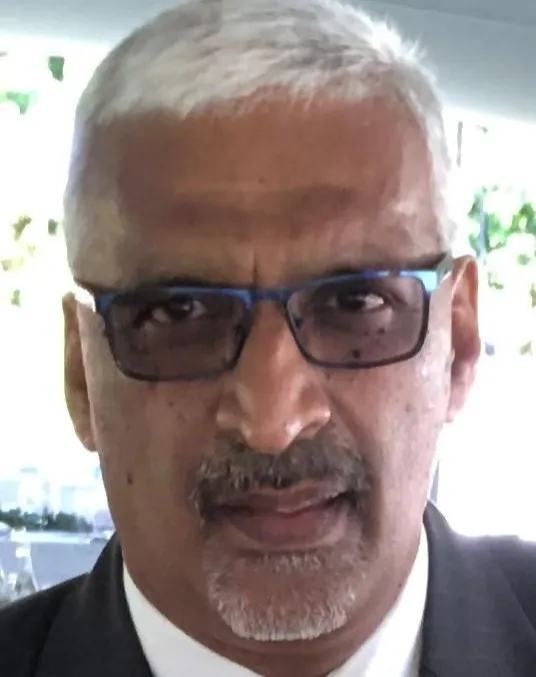
Professor Suriamurthee Maistry
Image: Supplied
Professor Suriamurthee Maistry is a decolonial and critical curriculum Scholar in the School of Education at the University of KwaZulu-Natal.
** The views expressed do not necessarily reflect the views of IOL or Independent Media.