

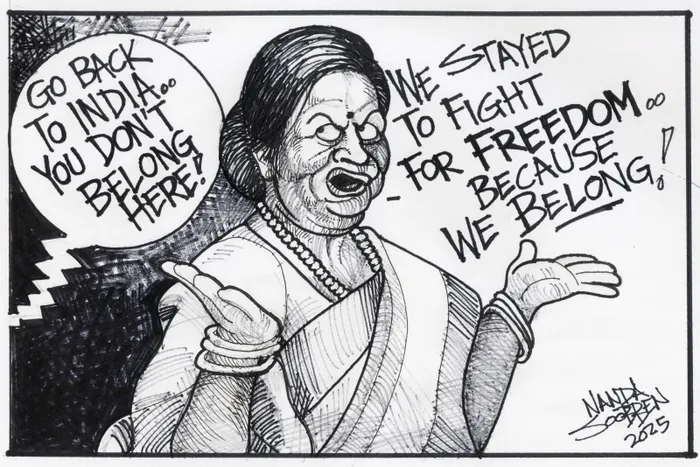
Renowned cartoonist Nanda Soobben, captures the current situation in the country in a 2025 cartoon.
Image: Nanda Soobben
Racial targeting has cast the spotlight on relations between communities in the country that seeded Mahatma Gandhi’s campaign against oppression and injustice, writes Edwin Naidu.
LAST December, a rather unsavoury video went viral. In it, a South African woman – a former airline employee – is seen hurling a stream of invective at a man, telling him to “go back to India”.
“Indians and the Taj Mahal smell like sh*t,” she says.
In the video, which quickly racked up views on social media, the woman’s heard saying: “I work at the airline… Every time there are Indians on the Durban flights, you guys smell like sh*t. Go back to India.”
The airline, confirming the woman was indeed a former employee, condemned the video and her sentiments.
Another incident from the same time – a TikTok video targeting Indian South Africans around the time of India's Prime Minister Narendra Modi’s visit for a G20 summit – added to the ongoing narrative against Indians, particularly in KwaZulu-Natal, where most of the country’s 1.5 million Indians live.
The recording, which claimed South Africans of Indian origin “have another country to go to”, was dismissed as “racist and ignorant” by ANC KZN spokesperson Fanle Sibisi.
More than three decades after South Africa’s 1994 transition to democracy, the Indian community – descendants of indentured labourers and traders who had moved there starting in the 1860s – find themselves at a crossroads, questioning their role and relevance in the country. Despite their vital contributions to the nation’s social, economic and political fabric, the persistence and evolution of racism – highlighted by recent viral incidents and political events – reveals both progress and enduring challenges.
The Indian community’s arrival in South Africa dates to 1860, when the Britishers brought indentured labour to work on sugar cane plantations. Later, “passenger” Indians arrived as traders. Over generations, Indians have shaped South African culture, politics and cuisine, maintaining diverse religious and linguistic identities. During apartheid, Indians were classified as a separate racial group, facing discrimination, but with a legal standing distinct from black Africans.
The community played a significant role in the anti-apartheid Struggle, with figures like Ahmed Kathrada, Yusuf Dadoo and Mahatma Gandhi standing out. Democracy in 1994 brought hopes of a “rainbow nation”, with constitutional guarantees of equality and non-racialism. Indians, alongside other communities, contributed to nation-building and the liberation Struggle. However, the legacy of apartheid – segregation, suspicion and structural inequality – remains deeply embedded.
When Nelson Mandela formed South Africa’s first democratic government, five individuals of Indian descent were appointed to his abinet, reflecting a commitment to diversity and recognising the community’s contributions. This number fluctuated under subsequent presidents, with only two deputy ministers in the current ANC-led Government of National Unity.
Racism in South Africa has not disappeared after 30 years of democracy, notes Sham Maharaj, a respected voice in Phoenix, north of Durban.
Racism, he feels, exists among all races, and minority communities are increasingly victims of hate speech and racism. Pointing to the Indian community’s role in the liberation Struggle and nation-building, he said tribal politics, nationalist parties, and corruption had led many to lose faith in the country’s leadership even as he called for participation in democracy to rebuild the nation.
Shameen Thakur-Rajbansi of the Minority Front, a political party, said that while overt racism has been outlawed, latent prejudice persisted and had worsened in the last decade. Social media has amplified racism, and politicians often play the race card during elections. Thakur-Rajbansi says Indians – though politically and economically marginalised – are integral to South Africa’s democracy.
Ela Gandhi, granddaughter of Mahatma Gandhi, says comments against the Indian community signal a disturbing trend of prejudice based on ethnicity, class and religion. She advocates self-reflection, empathy and bridge-building across groups, to realise the dream of a rainbow nation.
ANC member Ravin Singh highlights South Africa’s constitutional protection, and regards affirmative action and black economic empowerment as forms of positive discrimination intended to address historical injustice. He acknowledges legitimate concerns about empowerment, but stresses the need for deliberate intervention to overcome entrenched power structures. Singh notes that South Africa remains deeply unequal, thereby making social cohesion difficult, but points to everyday coexistence and the enduring spirit of Ubuntu (a South African philosophical concept meaning “humanity towards others”) across several communities.
Singh believes there is greater social cohesion among younger South Africans, who do not carry the same historical baggage as older generations. While prejudice persists, it is important to distinguish between latent prejudice and open, explicit racism. Young black professionals, including Indians and coloureds, are actively involved in addressing community challenges and directly confronting prejudice, he says.
Neeshan Balton, executive director of the Ahmed Kathrada Foundation, says racism against any community is an assault on democracy, and emphasised the long-standing contributions of Indian South Africans to the Struggle against apartheid and the building of democracy.
Publisher Nirode Bramdaw, a former ANC official, notes that Indians played a pivotal role in the anti-apartheid Struggle, recognised by Mandela’s first Cabinet. He argues that race relations have worsened, with the ANC mired in tribalism.
Perhaps the answer for Indian South Africans lies not in choosing one or the other but embracing both aspects of their heritage. Paige-Emma Murugan, a teenage schoolgirl of Indian descent in Johannesburg, provides a personal perspective.
“South Africa”, she says, “is where I was born. My identity is layered – Indian roots, South African soil, and people from different backgrounds guiding me into the world. That’s why I struggle when people ask me to choose between being Indian first or South African first. My birth itself shows that I’m both. South Africa gave me life, but India gave me heritage. One is the ground I stand on; the other is the history I carry. Together, they make me whole. If I try to separate them, I lose something important. So, I don’t choose. I blend. I balance. I carry all of it proudly. And what makes me whole is the mix of all these in my South African melting-pot life – my Christian faith, and my Indian heritage, living side by side within me. That’s who I am.”
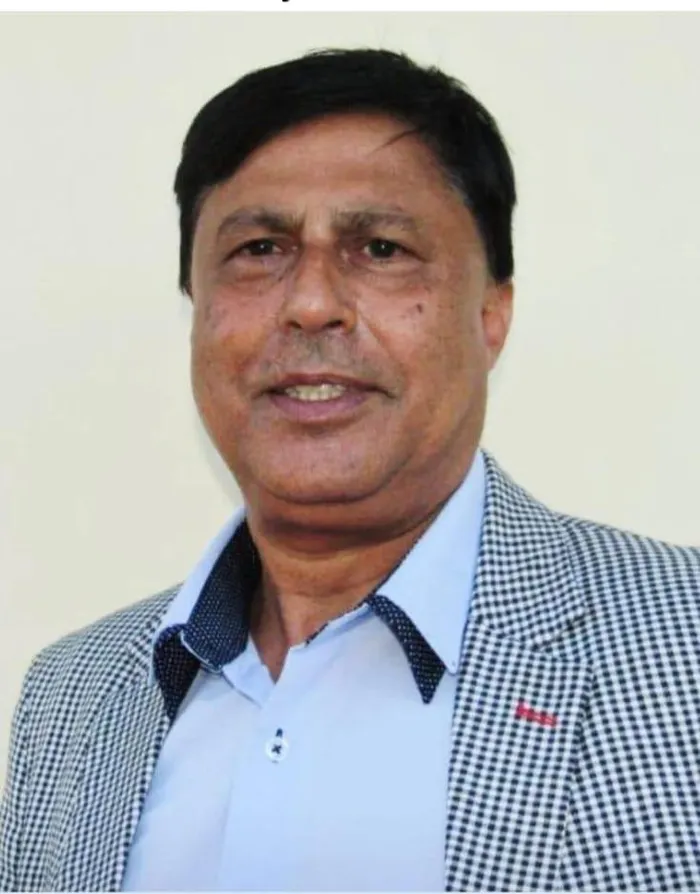
Sham Maharaj
Image: Supplied
The recording, which claimed South Africans of Indian origin “have another country to go to”, was dismissed as “racist and ignorant” by African National Congress (ANC) KwaZulu-Natal spokesman Fanle Sibisi.
More than three decades after South Africa’s 1994 transition to democracy, the Indian community - descendants of indentured labourers and traders who’d moved there starting in the 1860s - find themselves at a crossroads, questioning their role and relevance in the country. Despite their vital contributions to the nation’s social, economic, and political fabric, the persistence and evolution of racism - highlighted by recent viral incidents and political events - reveals both progress and enduring challenges.
The Indian community’s arrival in South Africa dates to 1860, when the Britishers brought indentured labour to work on sugar cane plantations. Later, “passenger” Indians arrived as traders. Over generations, Indians have shaped South African culture, politics, and cuisine, maintaining diverse religious and linguistic identities. During apartheid, Indians were classified as a separate racial group, facing discrimination but with a legal standing distinct from black Africans.
The community played a significant role in the anti-apartheid struggle, with figures like Ahmed Kathrada, Yusuf Dadoo, and Mahatma Gandhi standing out. Democracy in 1994 brought hopes of a “rainbow nation”, with constitutional guarantees of equality and non-racialism. Indians, alongside other communities, contributed to nation-building and the liberation struggle. However, the legacy of apartheid - segregation, suspicion, and structural inequality - remains deeply embedded.
When Nelson Mandela formed South Africa’s first democratic govt, five individuals of Indian descent were appointed to his cabinet, reflecting a commitment to diversity and recognising the community’s contributions. This number fluctuated under subsequent presidents, with only two deputy ministers in the current ANC-led Government of National Unity.
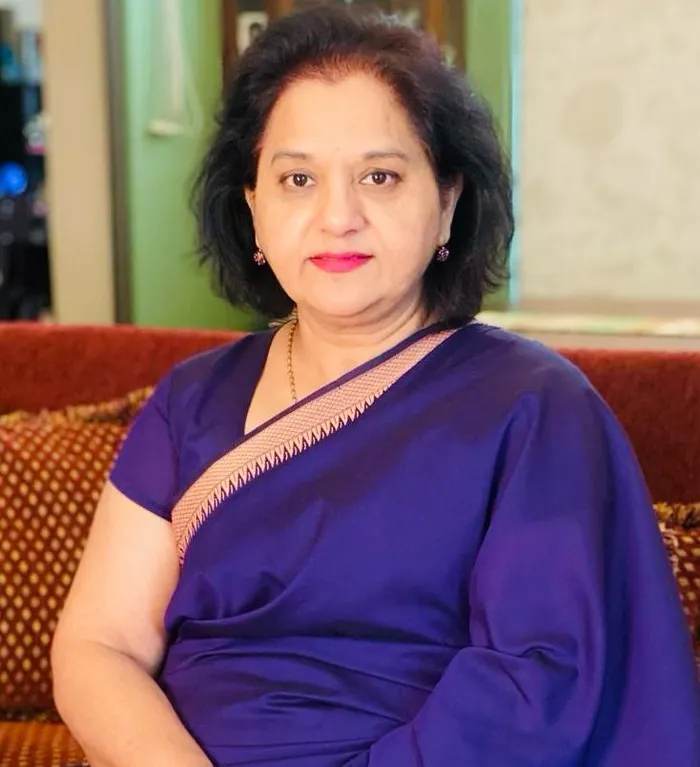
Shameen Thakur-Rajbansi, Minority Front leader.
Image: File
Racism in South Africa has not disappeared after 30 years of democracy, notes Sham Maharaj, a respected voice in Phoenix, north of Durban.
Racism, he feels, exists among all races, and minority communities are increasingly victims of hate speech and racism. Pointing to the Indian community’s role in the liberation struggle and nation-building, he said tribal politics, nationalist parties, and corruption had led many to lose faith in the country’s leadership even as he called for participation in democracy to rebuild the nation.
Shameen Thakur-Rajbansi of Minority Front, a political party, said that while overt racism has been outlawed, latent prejudice persists and has worsened in the last decade. Social media has amplified racism, and politicians often play the race card during elections. Thakur-Rajbansi says Indians - though politically and economically marginalised - are integral to South Africa’s democracy.
Ela Gandhi, granddaughter of Mahatma Gandhi, says comments against the Indian community signal a disturbing trend of prejudice based on ethnicity, class, and religion. She advocates self-reflection, empathy, and bridge-building across groups, to realise the dream of a rainbow nation.
ANC member Ravin Singh highlights South Africa’s constitutional protection and regards affirmative action and Black economic empowerment as forms of positive discrimination intended to address historical injustice. He acknowledges legitimate concerns about empowerment but stresses the need for deliberate intervention to overcome entrenched power structures. Singh notes that South Africa remains deeply unequal, thereby making social cohesion difficult, but points to everyday coexistence and the enduring spirit of ubuntu (a South African philosophical concept meaning “humanity towards others”) across several communities.
Ela Gandhi, Peace activist and Mahatma Gandhi’s granddaughter.
Image: File
Singh believes there is greater social cohesion among younger South Africans, who do not carry the same historical baggage as older generations. While prejudice persists, it is important to distinguish between latent prejudice and open, explicit racism. Young black professionals, including Indians and coloureds, are actively involved in addressing community challenges and directly confronting prejudice, he says.
Neeshan Balton, executive director of the Ahmed Kathrada Foundation, said racism against any community was an assault on democracy and emphasised the long-standing contributions of Indian South Africans to the struggle against apartheid and the building of democracy.
Publisher Nirode Bramdaw, a former ANC official, noted that Indians played a pivotal role in the anti-apartheid struggle, recognised by Mandela’s first cabinet. He argues that race relations have worsened, with the ANC mired in tribalism.
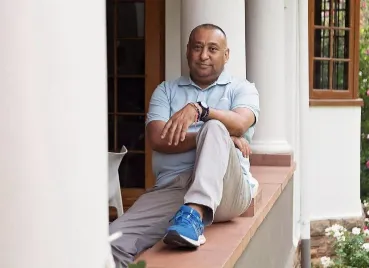
Ravin Singh, ANC member and former Phoenix activist.
Image: Supplied
Perhaps the answer for Indian South Africans lies not in choosing one or the other but embracing both aspects of their heritage. Paige-Emma Murugan, a teenage schoolgirl of Indian descent in Johannesburg, provides a personal perspective.
“South Africa”, she says, “is where I was born. My identity is layered - Indian roots, South African soil, and people from different backgrounds guiding me into the world. That’s why I struggle when people ask me to choose between being Indian first or South African first. My birth itself shows that I’m both. South Africa gave me life, but India gave me heritage. One is the ground I stand on; the other is the history I carry. Together, they make me whole. If I try to separate them, I lose something important. So, I don’t choose. I blend. I balance. I carry all of it proudly. And what makes me whole is the mix of all these in my South African melting-pot life - my Christian faith, and my Indian heritage, living side by side within me. That’s who I am.”
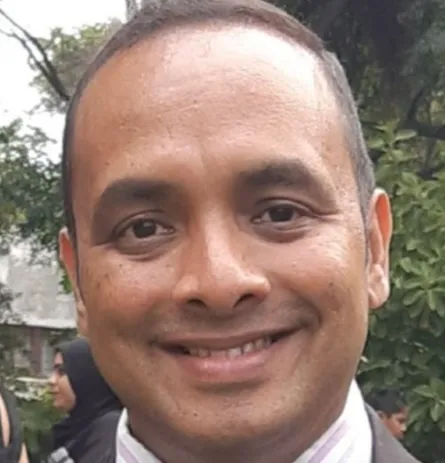
Edwin Naidu.
Image: File
Edwin Naidu is head of Higher Education Media Services in Johannesburg. This column was published by the Times of India.
** The views expressed do not necessarily reflect the views of IOL or Independent Media.