

This year is the 30th anniversary since Nelson Mandela signed our Constitution into law on December 10, 1996, undoing decades of racist, sexist, and homophobic discrimination.
Image: Meta AI
IN A SECULAR democracy it’s the Constitution, not outdated religious beliefs, that count. One of the fantastic things about living in South Africa is that nobody’s religious beliefs can trump our Constitution, which is the supreme law of the nation. The foundation of our democracy is that we live in a secular state. This means that government is neutral in terms of religion – our policies and laws cannot be influenced by religious doctrine.
Of course, anybody is free to believe whatever they want, even if there is no evidence for those beliefs, no matter how outdated or supernatural those beliefs are, but they cannot allow those beliefs to create hostility and hate. We no longer live in the dark days of apartheid, where politicians used right-wing religious interpretations to justify discrimination, prejudice, and sexual surveillance.
This year is the 30th anniversary since Nelson Mandela signed our Constitution into law on December 10, 1996, undoing decades of racist, sexist, and homophobic discrimination. It came into full operation on February 4, 1997, and remains one of the most progressive legal documents in the world.
In chapter 2 of the Constitution, the Bill of Rights prohibits the state and private parties from unfairly discriminating against anyone on the grounds of sexual orientation or gender. This is famously known as the Equality Clause. In fact, we became the first country in the world to prohibit discrimination on the basis of sexual orientation in its national Constitution. This was huge. A moment of pride. These hard-won freedoms were championed by activists like Simon Nkoli, Bev Ditsie, and Zackie Achmat, who led the National Coalition for Gay and Lesbian Equality (NCGLE) in the ‘90s.
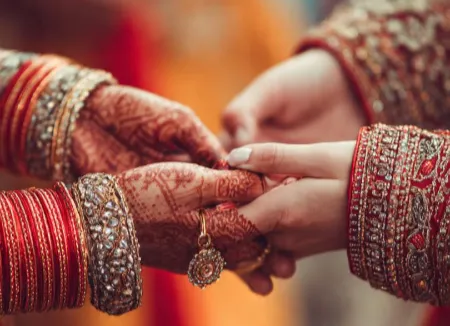
By 2006, gay couples in South Africa won the legal right to get married. We became the first country in Africa and the fifth in the world to pioneer relationship rights. Today, almost 40 countries have joined us in enabling same-sex marriage. On paper, LGBT+ people can live as equal citizens. However, attitudes are much harder to change. We see this whenever same-sex couples post photographs of their wedding nuptials on social media, or newspapers cover these happy events.
The comments section becomes a dumping ground for vile, uncouth, and abusive remarks that expose a lot of hate, ignorance, and backwardness by the general public. Spewing hate or making rude jokes on social media, WhatsApp groups, in the disguise of religious sermons, or in public, are anti-Constitutional. Section 10 of the Constitution further guarantees the right to have one’s dignity respected and protected.
If you impair a gay or lesbian person’s dignity with homophobic comments, you are in violation of the law and can be charged at a police station. If you are against same-sex marriage, let me say this with clarity and in plain English: your religious textbook has no say whatsoever on whether or not two gay or lesbian people can get married in South Africa. Only the Constitution matters. If you don’t like it, you have three options: keep quiet and carry on; actively improve your attitudes towards more enlightened forms of thinking; or leave this country. The choice is yours.
Religion remains a powerful social force in this country and religious institutions, like churches, mosques, temples and synagogues, continue to hold moral authority over their congregants. Religious leaders must use their power and influence to preach the values of love, respect, equality, dignity, decency, and freedom. It is an indictment on religious institutes that their followers continue to hold so much of hate in their heart – showing a disappointing failure by religious leaders to nurture a more loving, peaceful, and just society.
Can we do better, please? Let us reflect on what the late Archbishop Desmond Tutu once said: “I would rather go to hell than to a homophobic heaven.”
Suntosh R Pillay is a clinical psychologist, researcher, and activist. He is the 2025 co-recipient of a global human rights award from the International Council of Psychologists. He writes in his independent capacity.
** The views expressed do not necessarily reflect the views of IOL or Independent Media.