

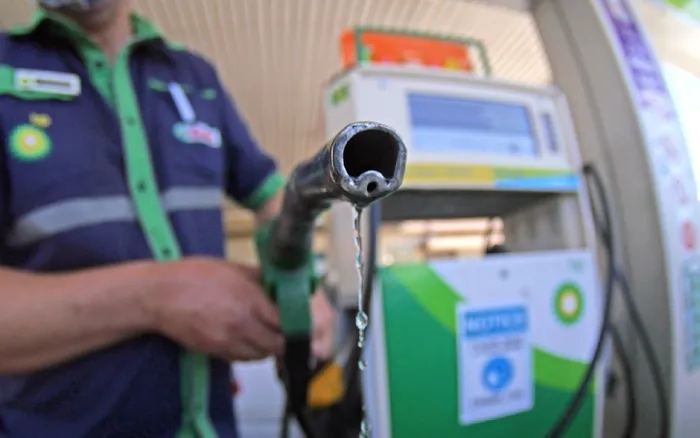
South Africa's fuel supply faces uncertainty, with the possibility of long queues at petrol stations signalling potential rationing and economic challenges ahead.
Image: Supplied
AT THE start of the year, South African motorists experienced something rare at the petrol pump: a little relief. Fuel prices dipped for a brief period, giving households some breathing room after months of economic pressure. But the reprieve didn’t last long. As global oil prices shifted and the rand fluctuated, petrol prices began creeping upward again, a familiar cycle that South Africans know all too well.
Every change at the pump sends a ripple effect through household budgets. For many people, petrol is not a luxury expense that can easily be cut back, It’s a necessity. Whether it’s getting to work, taking children to school, or simply running daily errands, fuel remains a non-negotiable part of everyday life. When petrol prices rise, household budgets tighten, and something has to give.
More often than not, the adjustment appears in the supermarket trolley, where shoppers begin to rethink what goes in and what stays on the shelf. While most conversations about fuel prices focus on inflation or transport costs, there is another story unfolding quietly in the background. Rising petrol prices don’t just affect how much we spend on fuel, they influence how South Africans shop, which brands they choose, and how often they make purchasing decisions.
In short, petrol prices change consumer behaviour. When budgets tighten, consumers naturally become more cautious. Shoppers who once reached for familiar brands without thinking may begin comparing prices more carefully. Promotions, discounts and loyalty rewards suddenly matter more than they did before. The weekly grocery trip becomes less about convenience and more about strategy. Retailers see this shift almost immediately. Price-sensitive shoppers are more likely to notice special offers, bulk discounts and value packs.
Marketing messages that emphasise savings and affordability start to resonate more strongly. But the change doesn’t stop there, as consumers also begin to reconsider the brands they buy. South Africans have traditionally been loyal to familiar brands. Many households buy the same cereal, cleaning products or pantry staples week after week simply because that’s what they know and trust. Brand familiarity creates comfort and reliability. However, when financial pressure builds, even loyal shoppers begin to rethink their habits.
A product that once felt affordable may suddenly seem expensive when compared to alternative options on the shelf. As a result, consumers start experimenting with different brands, particularly private label products offered by retailers. Over the past decade, store brands have improved significantly in quality and variety. What were once considered cheaper substitutes are now competitive options in many product categories. For consumers trying to stretch their budgets, these alternatives can offer similar quality at a lower price.
This is where rising petrol prices create something unexpected: opportunity. When shoppers try a new brand for the first time, they often discover that it performs just as well as the one they’ve been buying for years. A cereal tastes just as good. A cleaning product works just as effectively. A pantry staple delivers the same value at a lower cost. What begins as a budget-driven decision can quickly turn into a long-term change in purchasing behaviour. In other words, rising petrol prices can unintentionally shake up brand loyalty.
This moment is particularly significant for smaller brands and emerging producers. When consumers are open to experimenting, new competitors have a chance to earn attention that might previously have been impossible. A shopper who tries a new product once, even reluctantly, may become a repeat customer if the experience is positive. From a market perspective, this creates a more dynamic retail environment. It also means that rising fuel prices influence not only what consumers buy, but also how they shop.
When driving becomes more expensive, consumers often try to reduce the number of shopping trips they make. Instead of visiting several stores throughout the week, households may consolidate their shopping into fewer, more planned trips. This often results in larger baskets and more deliberate purchasing decisions. Location also begins to matter more. Shoppers may prefer retailers closer to home rather than travelling further for brand preference or variety. Convenience stores and neighbourhood retailers can benefit from this shift, as proximity becomes an important factor in decision-making.
At the same time, online shopping continues to gain traction. For some consumers, paying a delivery fee can be more economical than driving between multiple stores in search of better prices. These behavioural shifts illustrate how a seemingly simple change, the price of petrol, can ripple through the entire retail ecosystem. Looking ahead, the upcoming holiday season may intensify these patterns. Holidays typically bring increased spending on travel, entertainment and family gatherings.
Yet when fuel prices are high, many households begin tightening their belts earlier than usual. Consumers may approach holiday spending more carefully, prioritising essentials while searching for better value on everyday purchases. Shopping lists become more intentional, promotions attract greater attention, and impulse purchases may decline. However, this moment is not only about restraint. It is also an opportunity for consumers to rethink their purchasing habits. When shoppers are encouraged, or sometimes forced to move beyond routine purchases, they often discover alternatives that they may never have considered before.
Trying a different brand, experimenting with a private label product or exploring locally produced goods can reveal options that offer both quality and affordability. For businesses and marketers, these shifts provide valuable insight into how consumers respond to economic pressure. Understanding these patterns is critical for anyone studying modern markets or preparing to lead within them. External factors such as fuel prices demonstrate how quickly consumer priorities can evolve and how important it is for brands to remain responsive to changing realities.
Ultimately, the brands that succeed during periods of economic strain will be those that recognise what consumers are experiencing and respond with genuine value. Rising petrol prices may tighten household budgets, but they also encourage consumers to become more thoughtful and informed in their purchasing decisions. They push shoppers to compare options, question habits and explore new possibilities within the marketplace. Sometimes the biggest changes in how we shop begin at the petrol pump.
Fathima Khan: Academic Programme Leader – School of Marketing, Communications and Global Tourism, Mancosa
** The views expressed do not necessarily reflect the views of IOL or Independent Media.