


A funeral insurance policy saves financial distress for the bereaved family.
Image: Supplied
SEVEN months ago, my eighth and last paternal aunt, Narainammah Moodley, passed away at the age of 92, after a long struggle with age-related illness. We shed tears as we bid farewell to Aunty Baby, as she was lovingly known, surrounded by mourners who had cherished her presence for decades. Yet more than sorrow, there was a celebration of a life lived fully.
She was never wealthy and often had to battle to keep her household together. Her husband, a waiter by trade, was known to pour himself as many drinks as he served to his customers. Although money was always in short supply in her council-built home, my aunt radiated humility and warmth, and her honesty was unwavering. She was slight and delicate, yet her heart overflowed with kindness.
If there was one thing Aunty Baby eagerly looked forward to each month, it was her trip to Chatsworth Centre. The journey itself was part of the delight, walking a stretch of the way, then hopping into a minibus taxi, surrounded by the chatter of fellow passengers. The bustle, the familiar faces, and the small adventure brightened her routine. Upon arriving at the shopping complex, Aunty Baby would head straight for the queue to collect her Sassa grant. She would press the wad of notes to her lips in delight, setting aside a small portion for immediate use and tucking the rest safely into her bra. Of course, the whoonga boys knew all too well where the old aunties hid their money.
Before making her way home, there were two rituals she never missed. First, she treated herself to a large ice cream cone, a simple pleasure that brought her immense joy. Then, with quiet resolve, she would go to the Chatsworth offices of Mariannhill Funeral Services, where she faithfully paid her R50 funeral insurance policy premium and collected the receipt. It was this latter act that earned her deep admiration and respect after she passed. Her independent spirit ensured that she had a dignified funeral, fully paid for through her own foresight.
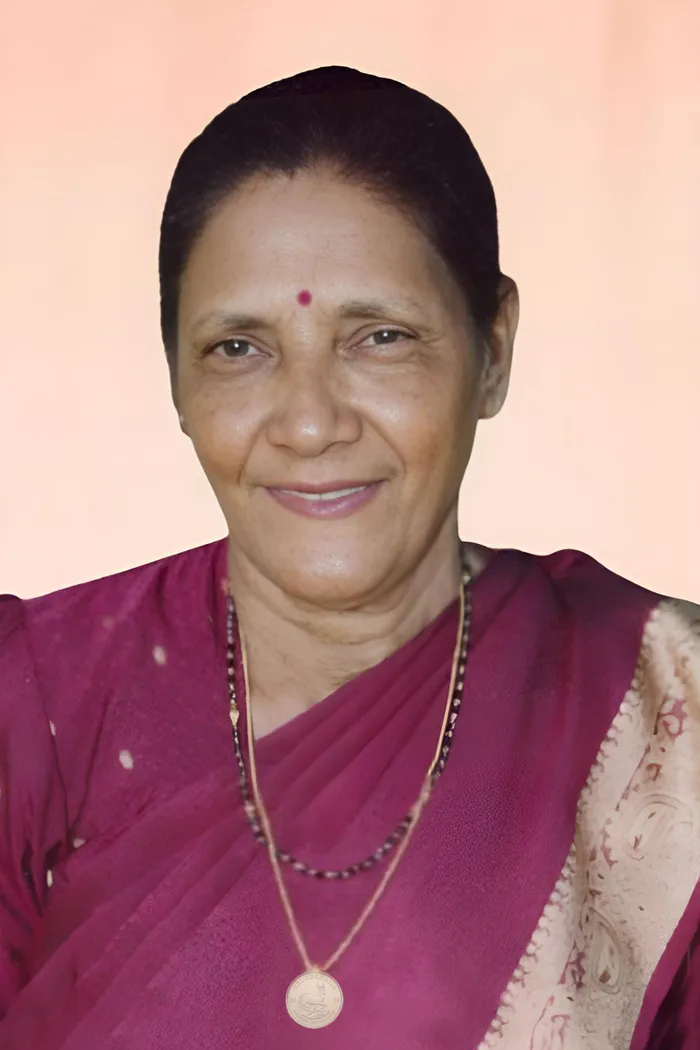
Narainammah Moodley (Aunty Baby) ensured her funeral would not be a financial burden on her family, says the writer.
Image: Supplied
Years earlier, Aunty Baby began contributing just R10 each month to her policy, a modest sum that, over time, gradually increased five-fold. From her policy, the undertaker prepared her body, arranged a coffin adorned with a pretty floral spray, completed all the necessary paperwork, and covered the cremation fees. The hearse was simple, dignified and practical – decent in every way, and it did the job. The package even included a marquee, 50 chairs and two trestles for the service at home. And, as if to underline her prudence, the family received a refund of nearly R1,000, since the policy payout exceeded the expenses.
I thought about Aunt Baby’s funeral when a begging bowl appeal was circulated recently, even before the funeral service of an acclaimed singer at Clare Estate Crematorium had concluded. The timing felt jarring because the grief caused by the sudden death was still raw, yet the call for contributions overshadowed the solemnity of the farewell. In a digital note that quickly went viral on WhatsApp, the message provided banking details for those wishing to offer support as “an act of gratitude” for what the singer and her husband “have contributed to the cultural world”.
No one can deny that the deceased and her husband gave many years of yeoman service as entertainers of note. But does this alone justify asking the public to open their wallets to cover funeral expenses? I know of countless musicians who gave their all to promote culture, yet no public appeals were made to fund their funerals.
Over the years, a galaxy of legendary singers, musicians and promoters such as Sonny Pillay and his wife Saraswathi, Kista Govender, D Mothie, Thirupurasundari Govender, Basant Ramchunder, Magendran Moodley, Ramesh Hassan, Shanti Naicker, Rennie Pillay, Harry Singh, Autham Mohan, Bala Dookhi, Jugdish Misra, Mahadevan Nair, Gopalan Govender, Subbulakshmi Nepaul, Chin Naidoo, Valla Kisten, Mohan Jugnandan, Amina Aziz, Sona Singh, Master Harry Singh, Beama Naidoo, Nadarajan Naicker, Mickey Kelavan, Rosy Govender, Kistraj Ragavan, Bhai Surajpal, Harry Arnajellam, Manickam Moodley, RJ Raj and Pregalathan Singaram have passed on.
Never was there a public appeal to pay for their funerals. Families may have borrowed or sought help quietly, but it was done discreetly, within private circles, leaving no public paper trail. Even more recently, Mala Lutchman and Zakia Ahmed Siddiqi – both legendary radio personalities – passed away in December 2024 and November 2025, respectively. The public was not asked to contribute towards their funeral costs.
With the spiralling cost of living, the cost of dying is also climbing beyond reach for many families. Funeral expenses have risen sharply, turning what should be a moment of remembrance into a financial strain. In moments of grief, families arranging a funeral are often vulnerable to persuasion. It becomes all too easy for a bereaved representative to be guided into signing off on costly displays of grandeur: a procession of limousines, lavish decor, floral arrangements that could rival Kirstenbosch Gardens, religious singers who capitalise on sorrow, the solemn strains of a Scottish bagpiper totally foreign to Indian culture, and even the release of white doves, which again, is an expensive add-on that benefits the dove-release business more than the bereaved.
Families in mourning must not give into the pressure for lavish funerals from the funeral industry. Funerals are deeply cultural and emotional, but they don’t have to be financially burdensome to be meaningful. I can understand if a fancy funeral is planned for a millionaire drug dealer, as was the case for Yaganathan Pillay, popularly known as Teddy Mafia, in January 2021. Dirty money goes well with bling. It is important to prepare for one’s funeral just as we plan all our activities when alive.
A funeral insurance policy is important because it protects your family from the heavy financial burden of funeral costs, ensures your final wishes are respected, and provides peace of mind, knowing that loved ones won’t struggle to cover expenses during a tough time. It is also vital to make your wishes clear to your family about the scale of your funeral. Costs can spiral from R10,000 to well over R100,000, yet a simple, dignified service should fall between R15,000 and R20,000. Anything beyond that is pure extravagance and vanity.
Does it truly matter to the departed whether they are carried in a Rolls-Royce hearse or a modest vehicle? Who remembers the pomp and frills once the day has passed? What endures is not the spectacle, but the legacy of the life lived. When it comes to funeral preparation, Murugas Govender took things to an extraordinary, and rather eccentric, level.
In the 1960s, he bought himself a coffin and slid it under his bed in Bayview, Chatsworth, where it remained for 27 years. The sight of it unnerved relatives so much that many avoided visiting altogether, and soon he was known far and wide as “Coffin Murugas”. When he finally passed in the 1980s, the coffin was indeed put to use. I remember undertaker TM Munsamy (Dickson) remarking with dry amusement that the coffin was still in excellent condition, save for the calico lining, which had frayed and needed replacing. In the end, Murugas proved that his long-kept investment was, quite literally, money well spent.
By contrast, my Aunty Baby’s preparation was guided not by eccentricity, but by compassion. Her foresight was about more than securing her own dignity – it was about sparing her family the humiliation of scrambling for funds at the very moment they should have been free to grieve. The lesson is unmistakable: dignity is not found in grandeur, but in foresight. Aunty Baby showed us that independence in life can extend gracefully into death, and that true respect is not measured by lavish displays, but by the care we take to prepare for ourselves. In the end, it is not the spectacle of a funeral that endures; it is the legacy of a life lived with wisdom and thoughtfulness.
** The views expressed do not necessarily reflect the views of IOL or Independent Media.