

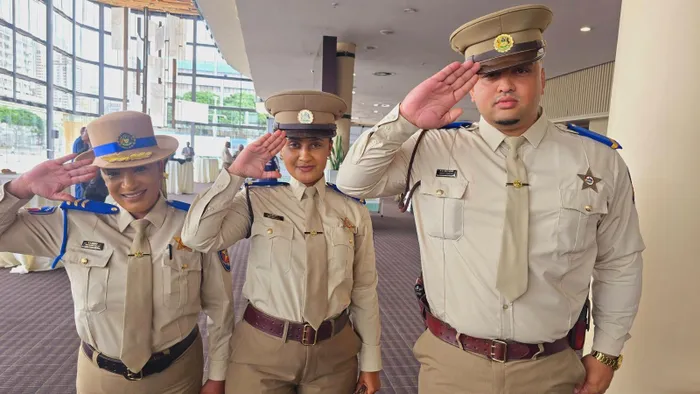
RTI officers: Karen Tanya Bishop, from left, Fatima Kemp and Roman Keane Beyers.
Image: Facebook
THIS past weekend, our highly efficient and dedicated team within the Road Traffic Inspectorate (RTI) displayed professionalism and commitment to serve the people of KwaZulu-Natal with integrity. They arrested more than 80 motorists for drunk-driving.
They were removed from our road networks before they could kill innocent people, and in the process create orphans and widows.
Each day, we are witnessing teams from the RTI, Operation Shanela and the now revived Transport and Traffic Inspection across the province projecting an image of efficiency and maximum discipline.
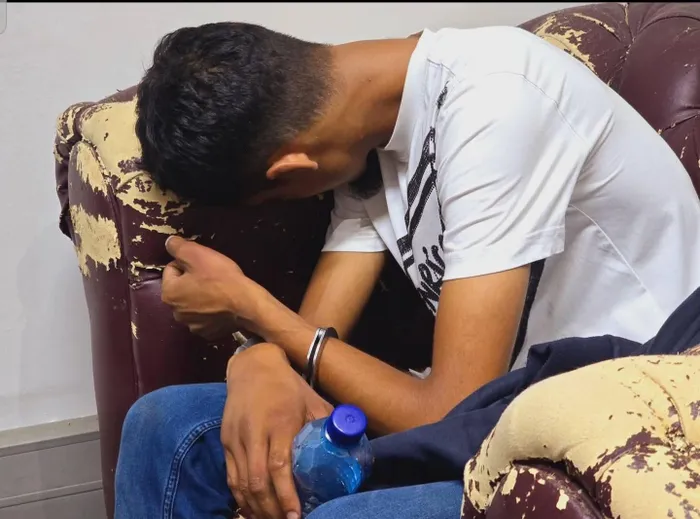
A man was arrested for allegedly driving while intoxicated. Many on social media, however, complained about the condition of the couch on which the man is seated, instead of questioning the criteria the RTI used to seat the man on it. The department responded: 'The couch is designed for motorists who are too drunk and suffering from alcohol-induced hallucination. The couch is sprayed with a substance that calms the nerves of motorists who are too intoxicated and imagining things.'
Image: Facebook/KZN Department of Transport
In particular, we wish to single out the arrest of one motorist who was found in possession of large sums of money in Harding. Together with his three accomplices, who jumped out of a moving vehicle, they were arrested by the RTI after robbing a local supermarket.
The large sums of money were handed over to the SAPS.
We pause to commend RTI Kokstad, as law enforcement officers, for resisting the temptation to walk away with the large sums of money in return for the release of the motorist.
Another display of commitment to the Constitution was the arrest and sentencing of Bhekumuzi Protas Dube, who has a criminal record.
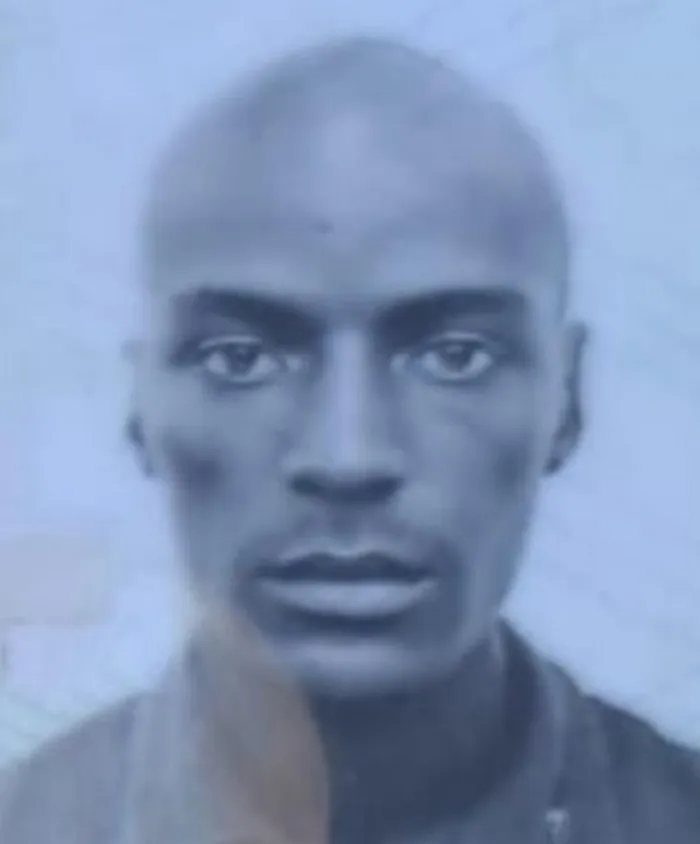
Bhekumuzi Protas Dube.
Image: Facebook/KZN Department of Transport
He was arrested by RTI Park Rynie for clocking 198 km/h in a 120 km/h zone. He appeared before the Scottburgh Magistrate's Court and was fined R40,000 or 12 months in prison – half suspended for five years.
We recall that in January 2015, Dube was arrested with his two criminal friends. They were caught stripping a Toyota Avanza that had been stolen on the Berea.
He was found in possession of the following car-breaking implements: ignition switches, an angle grinder, sanding machine, compressor, items used to panel-beat and spray-paint stolen vehicles, and a die stamp punch set that is used to print a false engine number after the original has been filed off.
As the Department of Transport, we have resolved to be part of concerted efforts to remove criminals from society, and from our road networks in particular.
It is for these reasons, we welcome the establishment of the new national task team targeting cartels and organised crime syndicates across South Africa.
As we start a campaign to dismantle syndicates involved in fraud and corruption associated with the issuing of learners' and driving licences, we undertake to work with this national task team under the leadership of KZN police commissioner, Lieutenant-General Nhlanhla Mkhwanazi.
By and large, the support for the #NenzaniLaEzweni Operation has been overwhelming. We are inspired by the support we have received from the people of this province across all racial lines.
For our part as the Department of Transport, we offer to continue to sustain the fight to clean up our road networks. Criminals are using our road networks to escape after committing crime and terrorising communities. Why we fought to dismantle apartheid was because we wanted to live in a free and democratic state. We are of the view that unless something drastic is done, crime will continue to be a major threat to our democracy and freedom.
There is an increasing number of South Africans who feel unsafe even in familiar environments. Innocent people are hijacked on our roads. We have unleashed the RTI, the Transport and Traffic Inspection Unit and Operation Shanela to restore law and order. Freedom is incomplete if we still have criminals moving around in our road networks and communities.
Therefore, as part of Freedom Month, we want to declare that we love our freedom so much that we are not prepared to allow crime to stand between us and our spirit of freedom.
In various housing projects that we have built as human settlements, we have criminals terrorising communities. In this regard, we say communities must embark on a campaign never to buy stolen goods, but to give the information for the police to effect arrests of perpetrators.
Neighbours and relatives must not collude in domestic violence, sexual abuse, child abuse, and other crimes committed indoors for fear of disgracing families. An abuser never gets appeased by displaying a sense of decency; instead of discontinuing, they get emboldened by their practice that goes unpunished. Sooner or later they turn on those who witnessed crime, and never took decisive action.
Traditional and other community leaders have a responsibility to prevail, and maintain law and order in communities, and are a natural barrier against crime, a role that must be emphasised.
Together, let us declare that our quest for freedom cannot be complete if our province is plagued by crime, which has become so endemic, especially the commonest major crimes such as murder, robbery and rape, as examples.
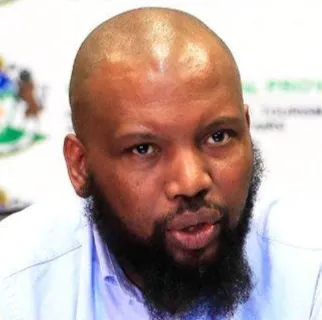
KwaZulu-Natal's Transport MEC Siboniso Duma.
Image: Supplied
Siboniso Duma is the MEC for Transport and Human Settlements in KwaZulu-Natal.
** The views expressed do not necessarily reflect the views of IOL or Independent Media.